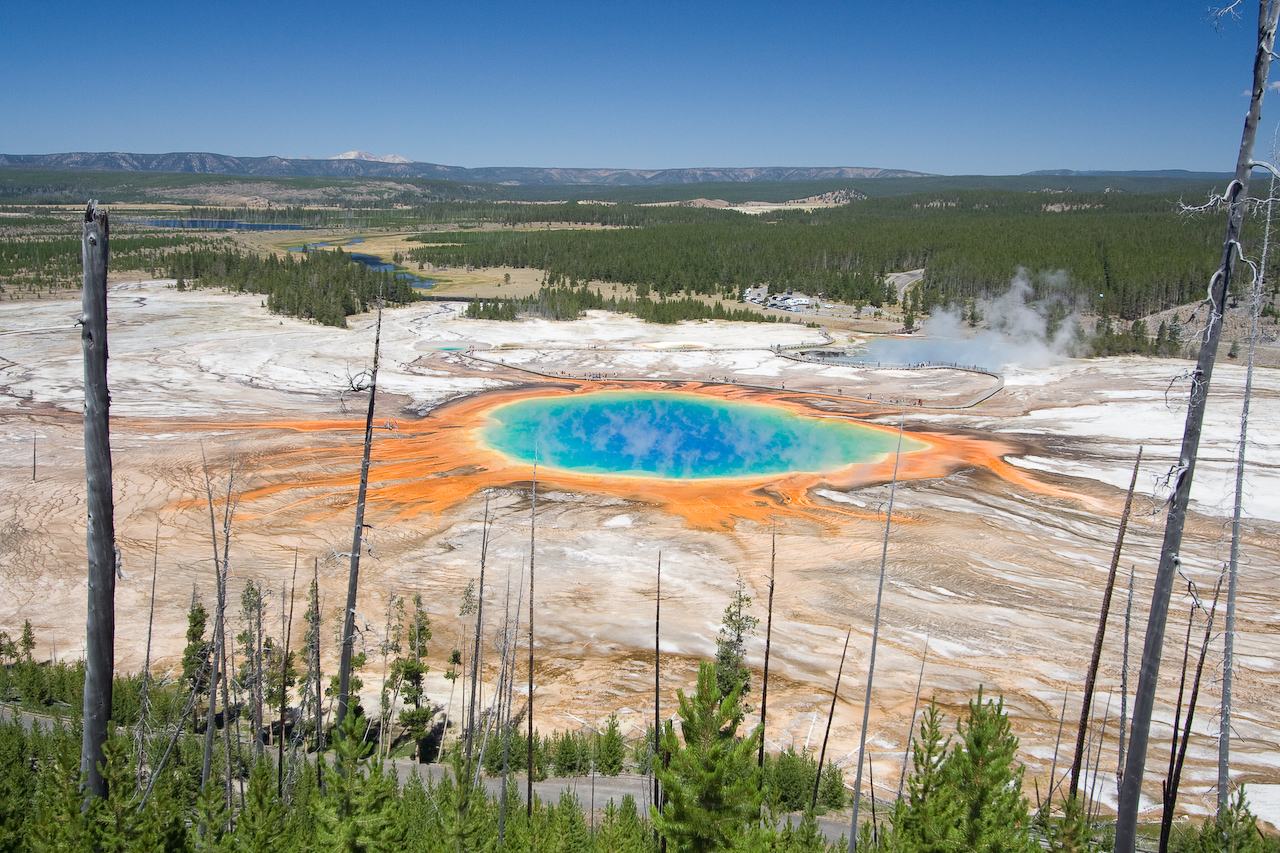
This yellowstone itinerary 3 days plan covers the park’s three signature landscapes in the order that wastes the least driving: the geyser basins on day one, the Grand Canyon of the Yellowstone and Hayden Valley on day two, and Mammoth, Tower and the edge of Lamar Valley on day three. It assumes you sleep in two different places, because a single base costs you roughly two hours a day.
Three full days is the honest minimum for a first visit, and it works — but only if the days are actually full, and only if you move your base once. What follows is the route, the timings, where to stay each night, and the variations for each entrance. For how the three-day plan compares with two, four or five, see our Yellowstone itinerary hub.
Before you start: four decisions that make or break the three days
Sleep in two places. Two nights on the geyser side and one on the north or east side. One base costs you roughly two hours of driving every day, which over three days is most of a fourth day. Our best two places to stay in Yellowstone page sets out the pairings that work.
Count full days, not calendar days. An arrival evening, two full days and a departure morning is two days, not three. Check that against your flights before you build a plan around this page.
Start before 7 a.m. every day. This is the single highest-return decision in Yellowstone. You get the best light, the animals are moving, the car parks are empty and there is no queue at the entrance. By 9:30 a.m. in July the park is a different and worse place.
Book everything as far ahead as you can. In-park rooms release up to 13 months in advance and the summer dates go early. Our lodging guide covers the seasons and the booking windows, and our camping guide has the campgrounds.
The three-day route at a glance
| Day | Area | Main stops | Sleep |
|---|---|---|---|
| 1 | Geyser basins, west side | Madison, Firehole Canyon, Fountain Paint Pot, Midway and Grand Prismatic, Upper Geyser Basin, Old Faithful | Old Faithful or West Yellowstone |
| 2 | Lake and canyon | West Thumb, Yellowstone Lake, Mud Volcano, Hayden Valley, Artist Point, Brink of the Lower Falls | Canyon Village or Lake Village |
| 3 | North and northeast | Norris, Mammoth terraces, Tower Fall, Lamar Valley | Out, or Gardiner |
Total driving over the three days is roughly 200 miles inside the park. That sounds modest until you remember the 45 mph limit, the bison and the parking.
Day 1: the geyser basins
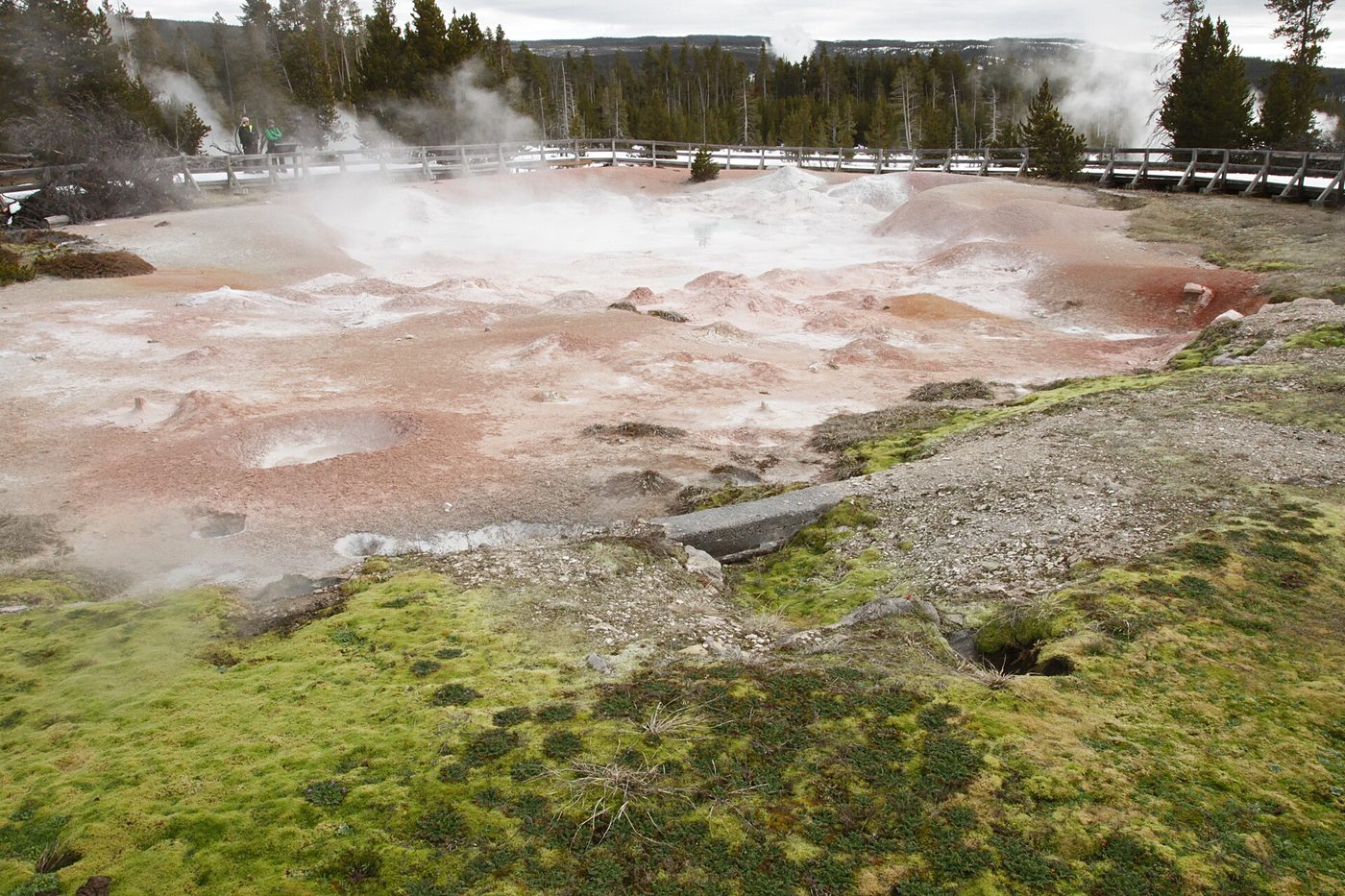
The west side of the park holds the largest concentration of active geysers on earth, and day one is about walking among them rather than driving between them.
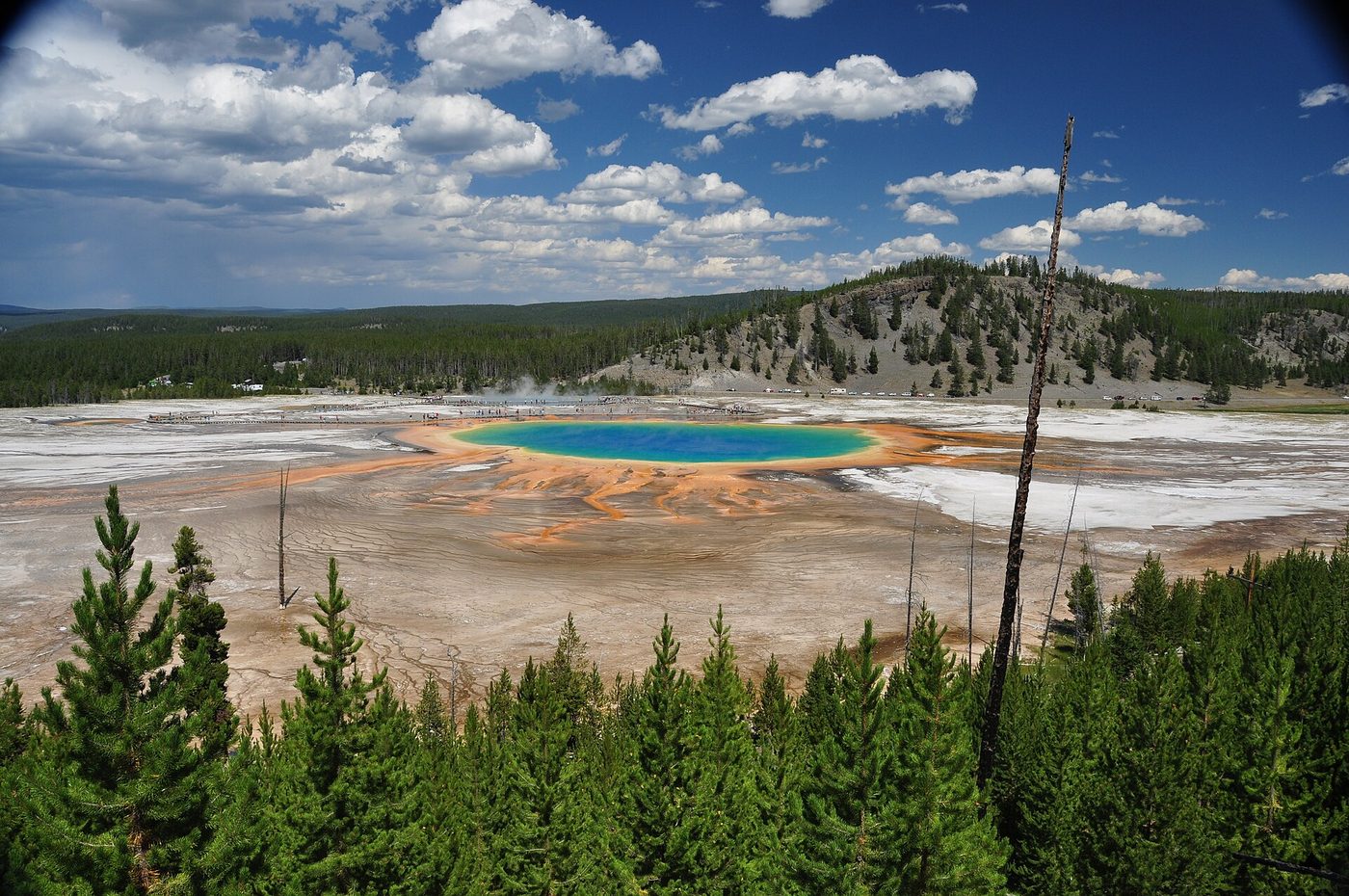
7:00 a.m. — Enter and drive to Midway Geyser Basin. Go to Midway first, not to Old Faithful. Grand Prismatic Spring is the single most photographed thing in Yellowstone and its car park fills by 9 a.m.; at 7:15 you will have it nearly to yourself, with steam still thick over the water in the cool air.
7:45 a.m. — Grand Prismatic Overlook. Park at the Fairy Falls trailhead a mile south of Midway and walk the trail to the overlook: it climbs 105 feet over 0.6 miles, about 1.2 miles round trip. The boardwalk at Midway shows you the edge of the spring; only the overlook shows you the colours. Dogs are not permitted and the car park is very limited, which is another argument for arriving early.
9:00 a.m. — Fountain Paint Pot and Firehole Lake Drive. A short loop through mud pots, fumaroles and a pair of geysers, and one of the few places in the park where all four types of thermal feature sit within 200 yards of each other. The one-way Firehole Lake Drive adds about 30 minutes and Great Fountain Geyser, which is predicted and spectacular when it performs.
10:30 a.m. — Firehole Canyon Drive. A short one-way detour with Firehole Falls. The swimming area here is closed, and has been since 2024 — all current swimming rules are on our fishing and water page.
11:30 a.m. — Old Faithful and the Upper Geyser Basin. Check the posted prediction times first, at the visitor education centre or in the NPS app, then plan your walk around them rather than sitting on the benches for an hour. The Upper Geyser Basin holds at least 150 hydrothermal features within one square mile, and Castle, Grand, Daisy and Riverside are all predicted along with Old Faithful itself. Give this three hours minimum. Our Old Faithful eruption times page explains how the predictions work and which geysers are worth waiting for.
3:30 p.m. — Black Sand Basin and Biscuit Basin. Both small, both quick. Note that Biscuit Basin has been closed since the July 2024 hydrothermal explosion and remained closed after a second event in June 2026, which also cuts the usual access to Mystic Falls (checked September 2026).
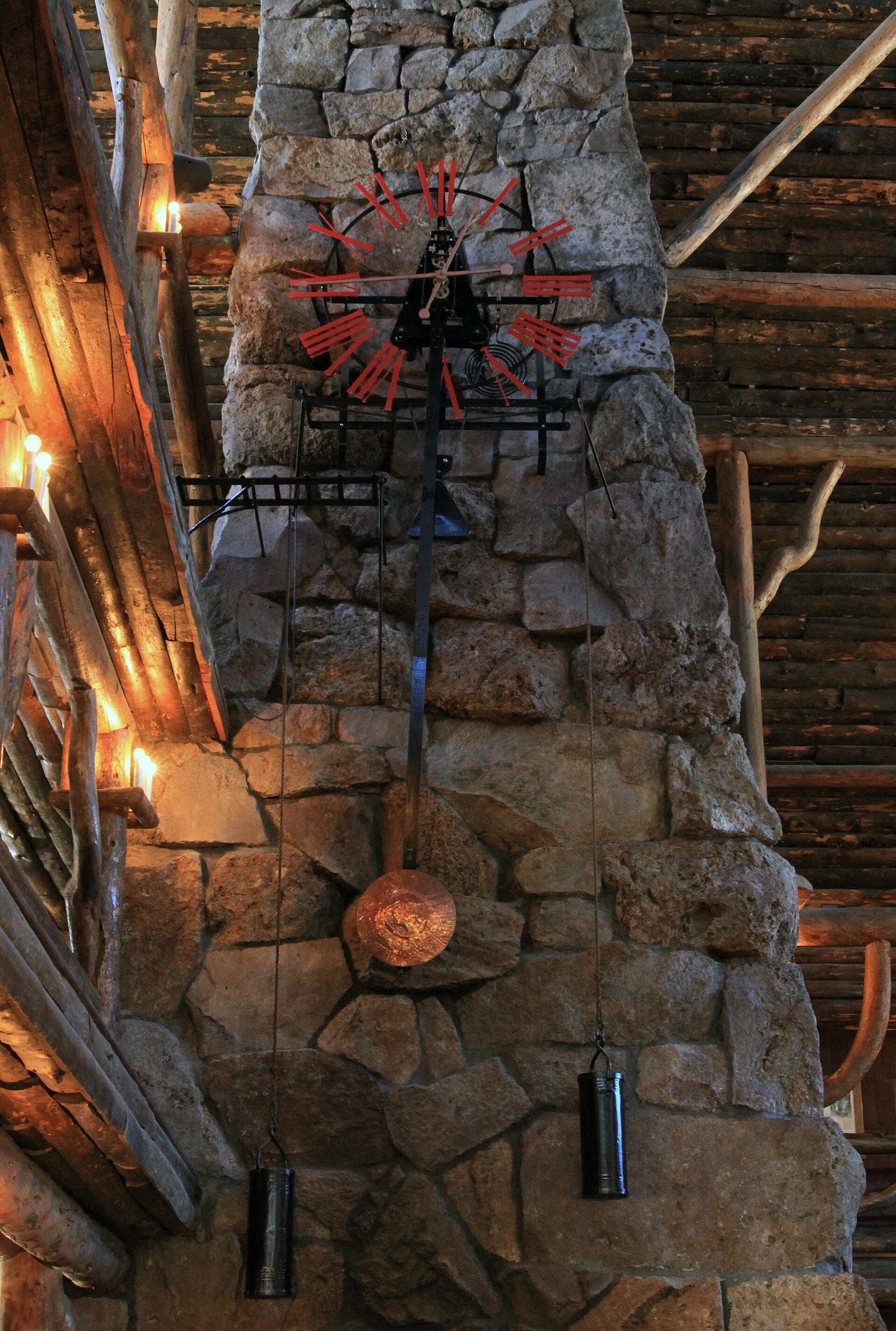
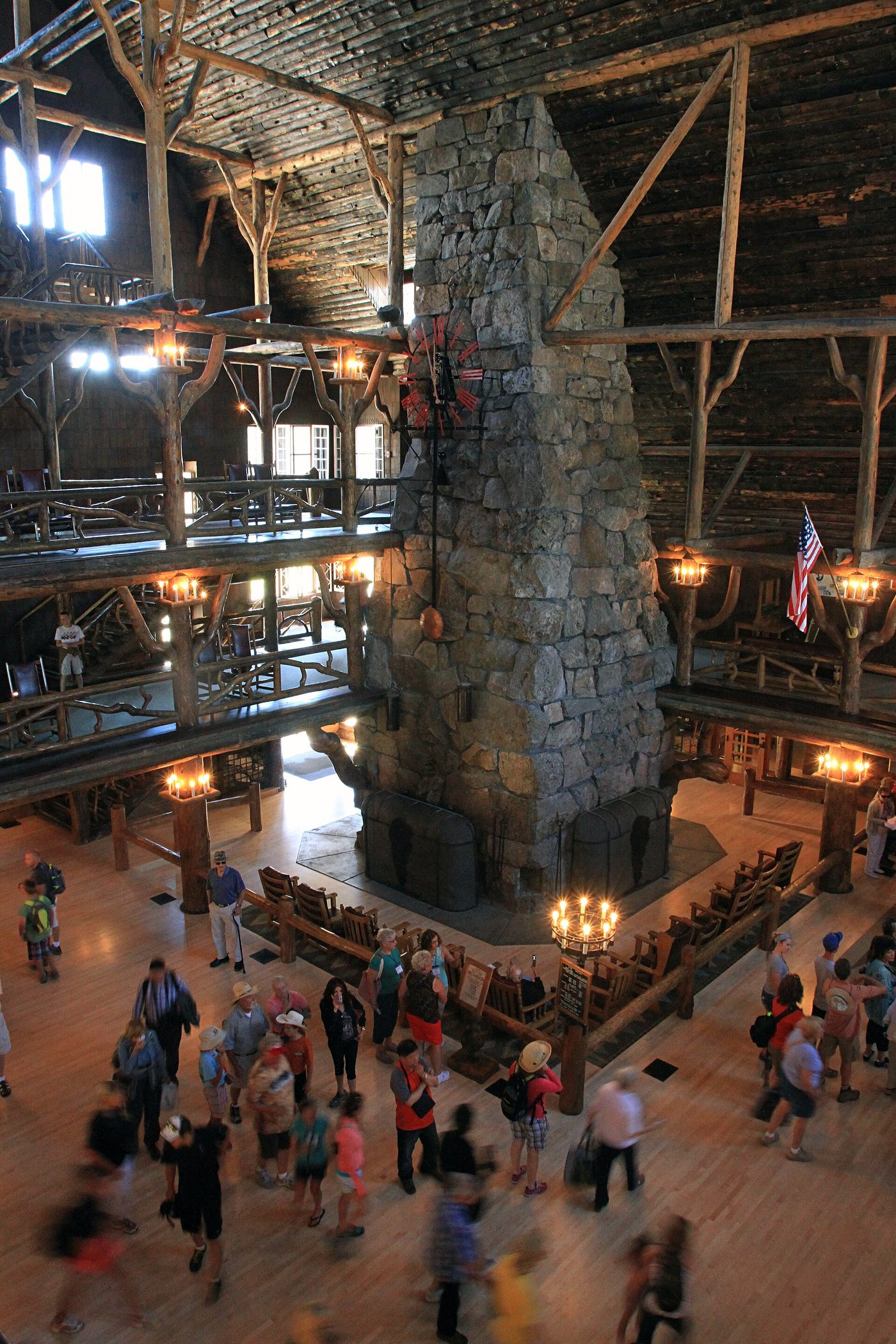
5:00 p.m. — Old Faithful Inn. Walk into the lobby even if you are not staying there. The 1904 log structure is one of the great buildings in the American park system and the upper balconies are open to anyone.
Evening. Dinner at Old Faithful or in West Yellowstone, then out again for the last eruption of the day. Old Faithful after dark, lit by nothing but the sky, is better than Old Faithful at noon.
Day 2: the lake and the Grand Canyon of the Yellowstone
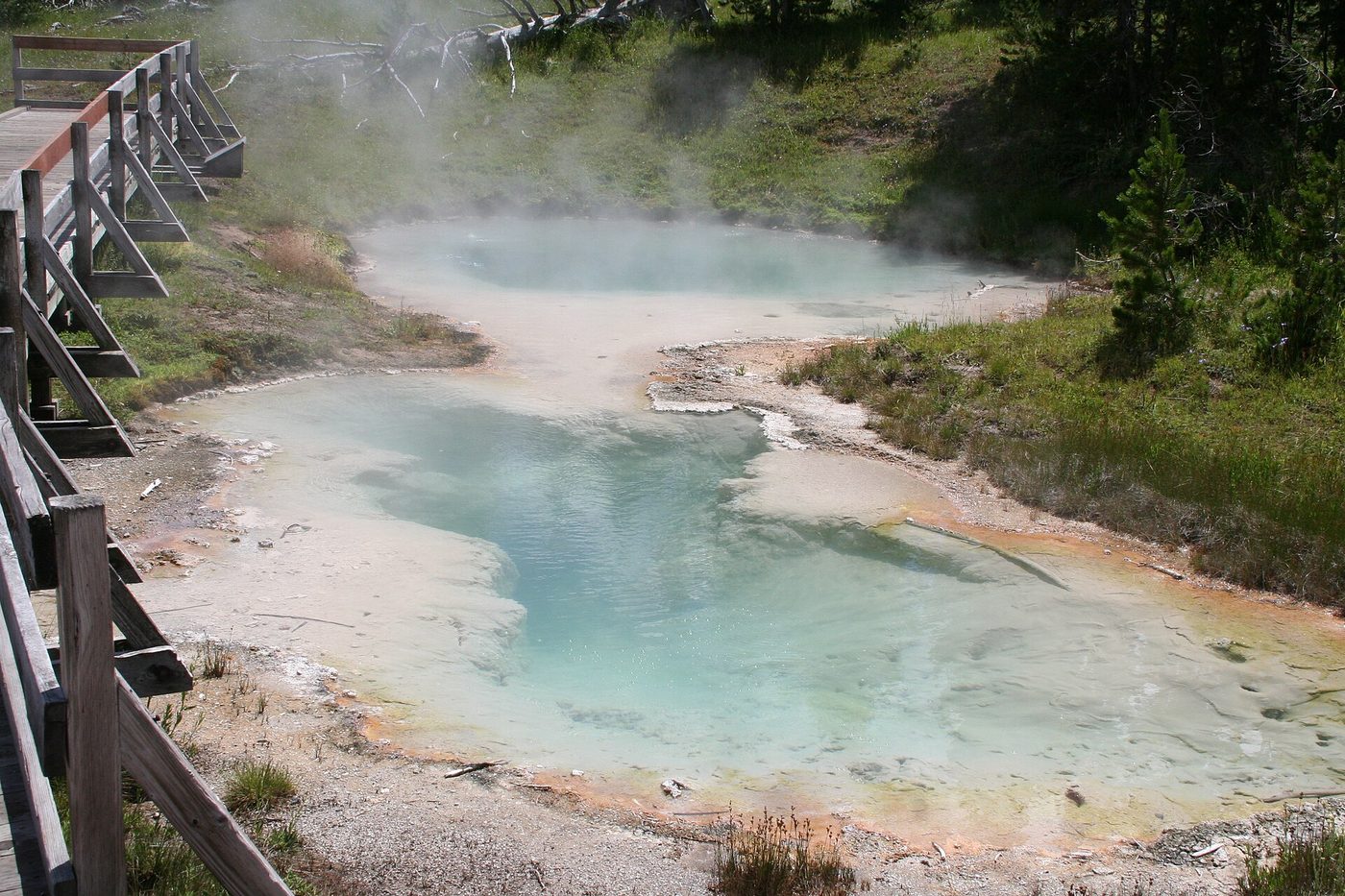
Day two crosses from the geyser basins to the canyon, with Yellowstone Lake and the park’s best wildlife valley in between.
6:30 a.m. — Over Craig Pass to West Thumb. The drive from Old Faithful to West Thumb climbs over the Continental Divide twice. West Thumb Geyser Basin sits on the shore of Yellowstone Lake, with hot springs venting directly into the water, and at 7 a.m. it is usually empty.
8:00 a.m. — Yellowstone Lake shore north. Along the lake through Lake Village and Fishing Bridge. Yellowstone Lake is the largest high-elevation lake in North America, and the Lake Yellowstone Hotel — pale yellow, colonial, 1891 — is worth ten minutes even if you are not staying.
9:15 a.m. — Mud Volcano and Sulphur Cauldron. A 45-minute loop of the ugliest, loudest and most sulphurous thermal features in the park. Children love it. It is also directly beside Hayden Valley, so the timing works.
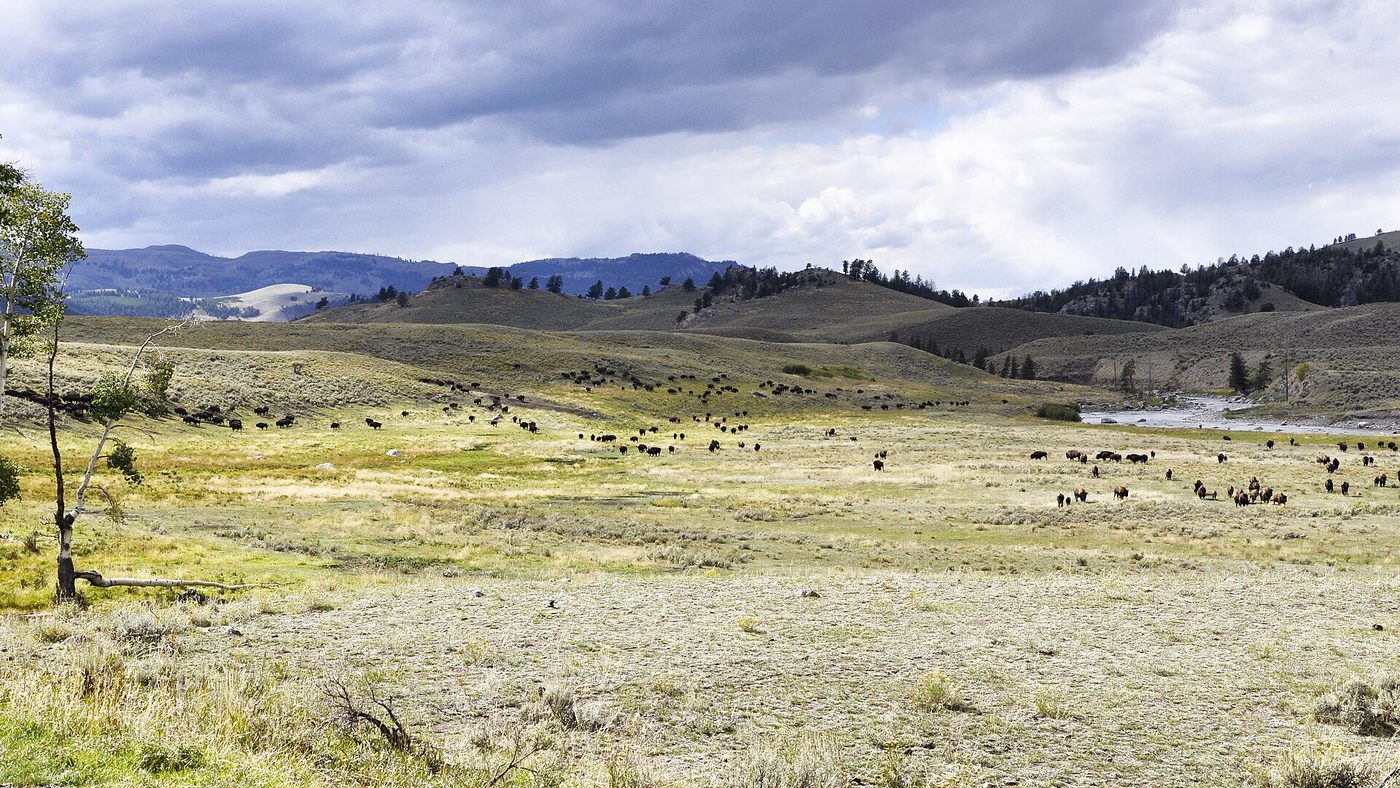
10:00 a.m. — Hayden Valley. Bison, often in large numbers, along with elk, coyotes and occasionally grizzlies and wolves on the far slopes. Use the pullouts, not the road. Mid-morning is not the best wildlife hour — dawn and dusk are — but Hayden delivers bison at almost any time. Our wildlife guide covers what to look for.
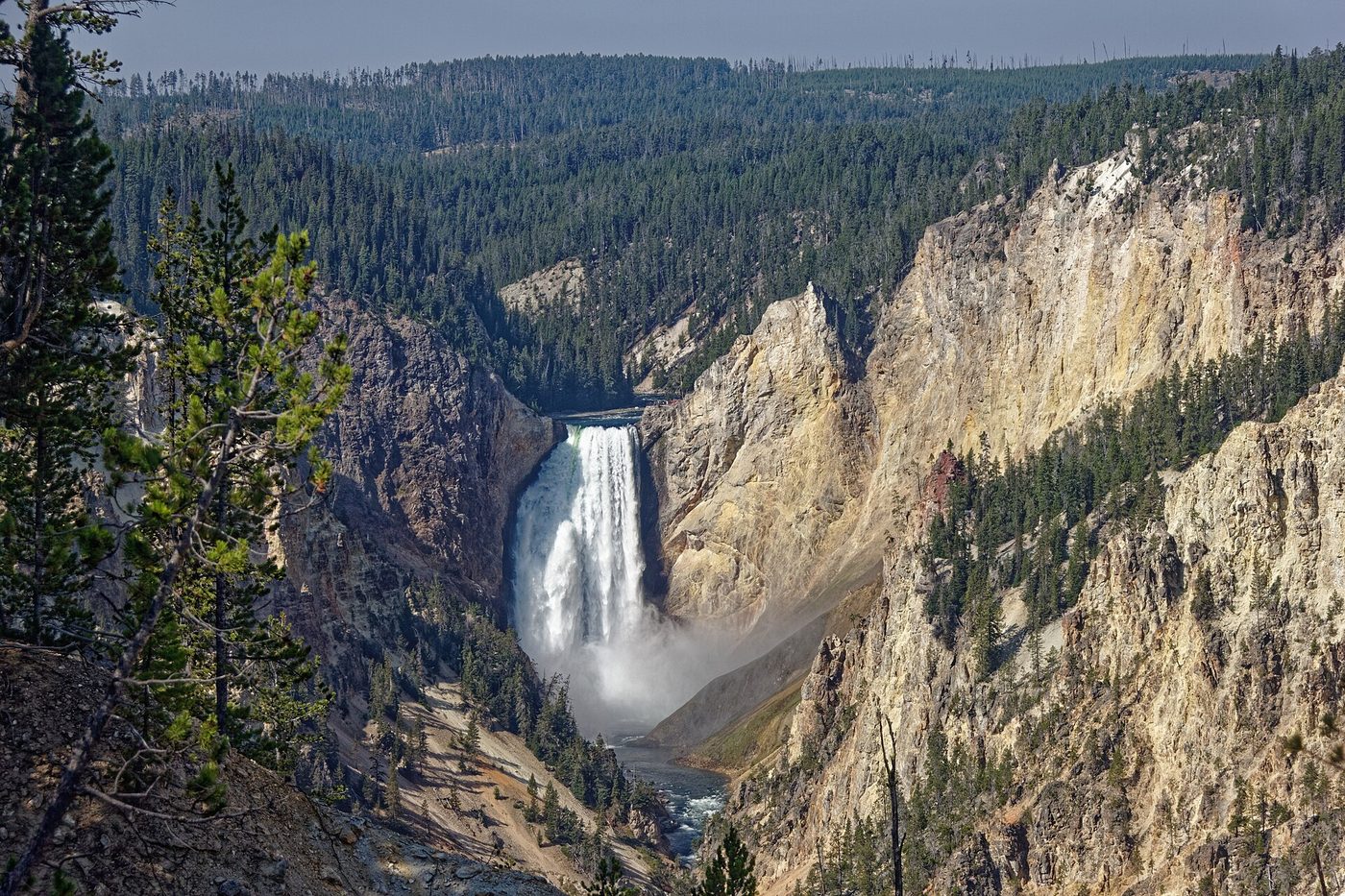
12:00 p.m. — Grand Canyon of the Yellowstone, South Rim. Artist Point is the view: the Lower Falls dropping 308 feet into a canyon of yellow, orange and pink rhyolite. Walk the rim trail from Uncle Tom’s parking area toward Artist Point rather than driving straight to the viewpoint, because the canyon is better as a sequence than as a single stop.
2:30 p.m. — North Rim. Lookout Point, Grand View, Inspiration Point, and the Brink of the Lower Falls — a steep switchbacked descent of about 600 feet that puts you at the lip of the waterfall. It is the best thing in the canyon and the hardest walk of the three days. Uncle Tom’s Trail has been closed since 2019.
4:30 p.m. — Back to Hayden Valley for the evening. If you have energy left, this is the hour that matters. Park at a pullout, get the binoculars out and wait.
Sleep at Canyon Village, which puts you five minutes from Artist Point for a second look, or at Lake Village if you prefer the hotel. Canyon is the better choice for this itinerary because it shortens day three, which is the longest of the three.
One optional addition if you are moving well: the short drive up to the Washburn Hot Springs overlook between Canyon and Dunraven, which gives you the whole of Hayden Valley laid out below and is the best big-picture view on this side of the park.
Day 3: Mammoth, Tower and Lamar Valley
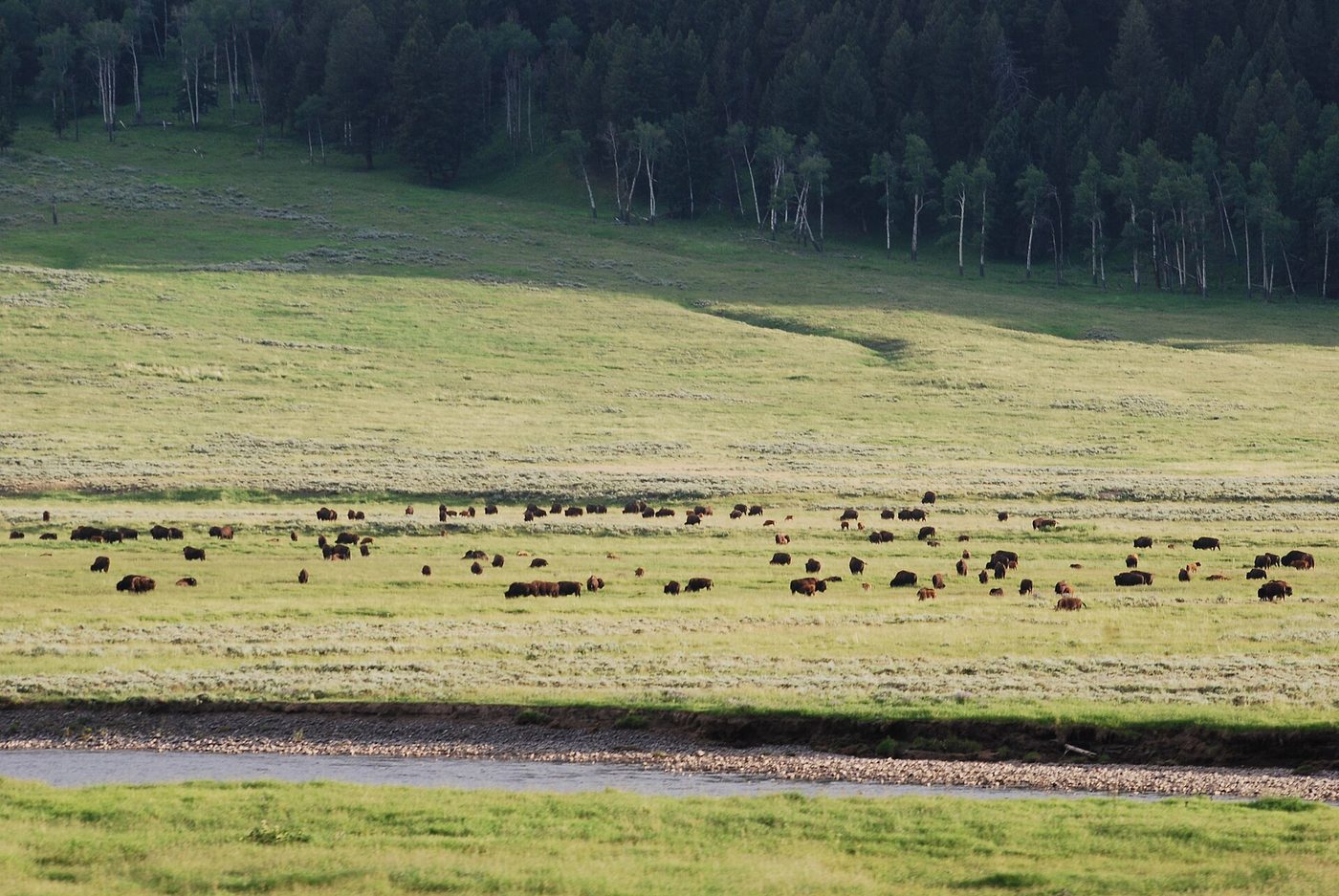
Day three is the wildlife day and the one most three-day itineraries cut. Do not cut it.
6:00 a.m. — Dunraven Pass to Tower and into Lamar. If the Dunraven road is open, this is the fastest way north and the best drive in the park, over 8,859 feet with the Washburn range on one side. It closes on 12 October in a normal year and opens in late May, so check the status before relying on it; our road closures page tracks it. If it is shut, go Canyon to Norris to Mammoth to Tower instead, which takes an extra hour.
7:00 a.m. — Lamar Valley. The reason to leave at six. Park at a pullout between Slough Creek and the Lamar River bridge, switch the engine off and stay put for at least an hour. Wolves, grizzlies, black bears, bison herds, pronghorn and coyotes all use this valley, and the people already parked with spotting scopes will usually let you look and tell you what has been seen. Our Lamar Valley guide covers the pullouts properly.
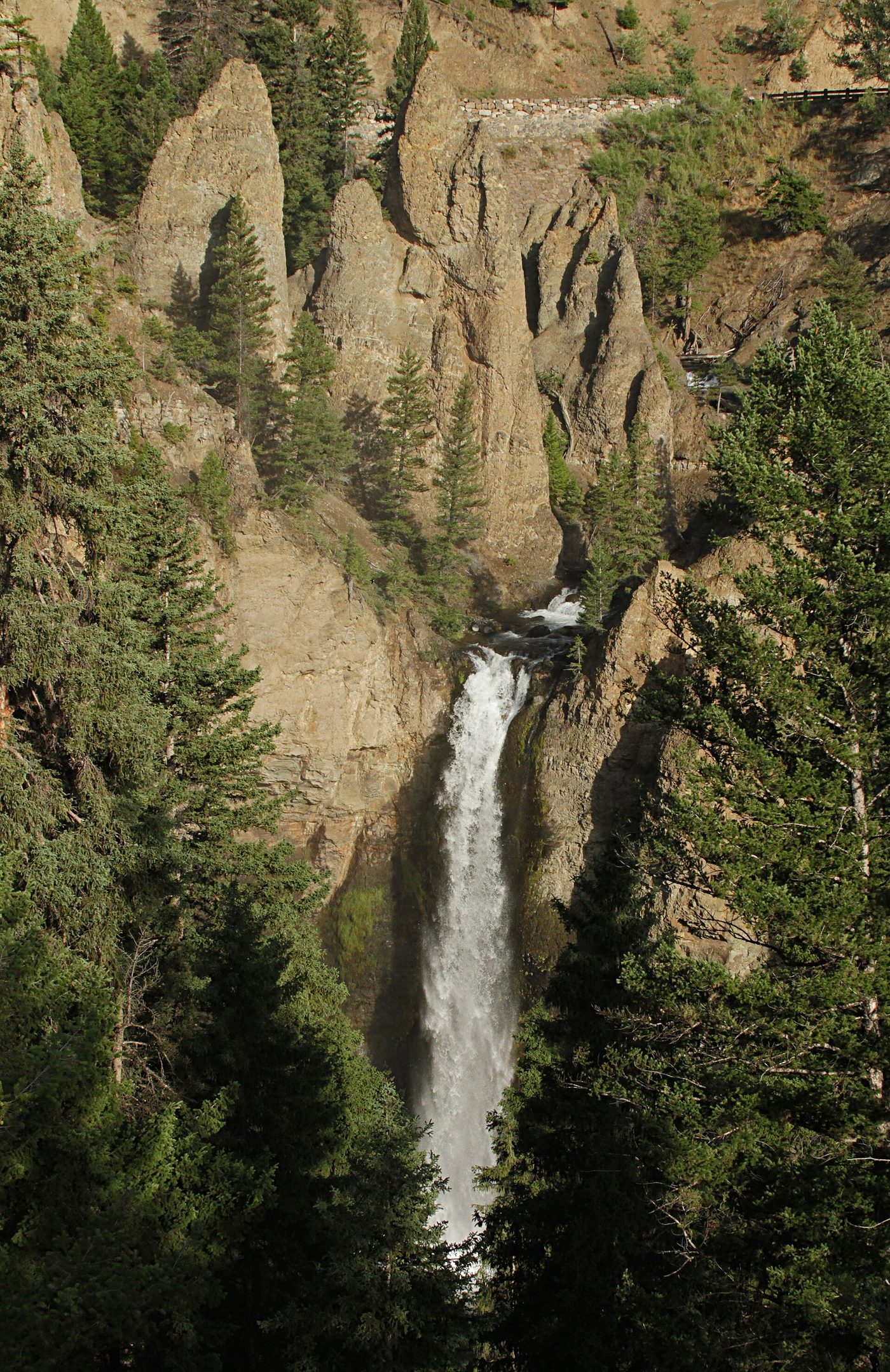
9:30 a.m. — Tower Fall. A 132-foot waterfall dropping between volcanic pinnacles, five minutes from the car park. The trail to the base has been closed for years; the overlook is the view.
10:30 a.m. — Tower to Mammoth. Forty minutes past the Petrified Tree, Undine Falls and the Blacktail Plateau, with the Gardner River canyon at the end. Bighorn sheep are regularly visible on the canyon walls.
11:30 a.m. — Mammoth Hot Springs. Travertine terraces rather than geysers: white and orange stepped formations built from limestone dissolved by hot water. Do the Lower Terraces boardwalk and drive the Upper Terrace Loop. In September and October there will be elk on the lawns of the old Fort Yellowstone buildings, sometimes within feet of the sidewalk.
1:30 p.m. — Norris Geyser Basin, on the way out. The hottest and most volatile thermal area in the park, and genuinely different from the west-side basins: bleached white ground, acid springs and Steamboat, the tallest active geyser in the world when it decides to erupt. Give it 90 minutes for the Back Basin loop.
Out via Madison and the West Entrance, or north through Gardiner if you are flying from Bozeman.
If Dunraven Pass is closed and you started from Canyon, the day inverts: Norris first at 6:30 a.m., then Mammoth terraces mid-morning, then Tower and Lamar in the afternoon and early evening. That is a worse order for wildlife, which is why we would move the third night to Mammoth or Gardiner in that case and keep the early start in Lamar.
Adapting the route to your entrance
The three days above assume you come in from the west. Here is how to reorder them for each of the other gates. Our entrances comparison has the full picture of what each one puts you next to.
From the North (Gardiner). Run the plan backwards: Mammoth and Lamar on day one, Norris and the canyon on day two, the geyser basins on day three. Sleep Gardiner or Mammoth, then Canyon, then Old Faithful or West Yellowstone.
From the Northeast (Cooke City). Lamar Valley first thing on day one, then Tower and Mammoth. Days two and three as the northern version above.
From the South (Jackson). Day one becomes West Thumb, Grant and the geyser basins, because you arrive at the lake. Day two is the canyon and Hayden, day three is Mammoth and Lamar. Sleep Grant or Old Faithful, then Canyon, then north.
From the East (Cody). You arrive at the lake too, so day one is the lake, Mud Volcano, Hayden and the canyon; day two is the geyser basins; day three is Mammoth and Lamar. This ordering means a long day three, so consider sleeping at Mammoth on night two.
Two shorter versions, if a day goes wrong
Weather, a road closure or a late flight will eventually cost you part of a day. These are the cuts we would make rather than trying to compress everything.
If you lose the morning of day 1: skip Firehole Canyon Drive and Black Sand Basin, go straight to Midway at whatever hour you have, and do the Upper Geyser Basin in the late afternoon and evening. The basin is better in low light anyway, and the crowds have gone by six.
If you lose the morning of day 2: skip West Thumb and the lake shore, go straight to the canyon, and put Hayden Valley in the evening instead. The canyon does not care what time you arrive; Hayden does.
If you lose day 3 entirely: do not try to squeeze Mammoth and Lamar into the end of day 2. Instead, take the first two hours of your departure morning and drive Mammoth terraces on the way out through Gardiner, or Hayden Valley on the way out through the west. A rushed hour in Lamar is worse than no Lamar.
If a storm closes a road: the two segments most likely to shut are Dunraven Pass and, in shoulder season, Craig Pass and Sylvan Pass. Both have workarounds through Norris, which cost roughly an hour. Check conditions each morning rather than the night before, because the park reopens roads as the plows clear them.
What should you do with the evenings?
Three days in Yellowstone is three evenings, and most visitors waste them by eating at seven and going to bed. The last two hours of daylight are the second-best hours of the day.
Evening one, at Old Faithful. Watch an eruption after the tour buses leave. In June and July that means 8 p.m. or later, with maybe thirty people on the boardwalk instead of a thousand. Then the Old Faithful Inn lobby, which stays open and lit and is at its best when it is quiet.
Evening two, at Canyon or Lake. Back into Hayden Valley for the last hour. This is the single most likely time on the whole trip to see a bear, and one of the best for wolves in the far distance. Take the binoculars and a coat; it gets cold fast once the sun drops behind the Washburn range.
Evening three, if you are staying over at Gardiner. The Mammoth terraces at dusk, with elk on the lawns from September onward, or the Gardner River canyon for bighorn sheep.
One practical warning for all three: driving back in the dark means bison on warm asphalt, elk crossing without warning and no street lighting anywhere. Drive well under the limit and assume something large is around the next bend. Our safety page covers the wildlife rules, which are the ones people break without noticing.
How this itinerary differs from most three-day plans
Two things, and both are deliberate.
We put Midway before Old Faithful on day one. Almost every published three-day itinerary starts at Old Faithful because it is the famous one. That is exactly why you should not: it is the busiest car park in the park between 9 a.m. and 4 p.m., and the geyser erupts roughly twenty times a day, so there is no reason to be there in the morning. Grand Prismatic, by contrast, is best early, when cool air makes the steam dense and the overlook trail is empty.
We protect day three. Many three-day plans treat Lamar Valley as optional and fill day three with more thermal areas. That gets the park backwards. The geyser basins are unique on earth and you will see them properly in one day; the wildlife is what most people actually remember, and it only shows up if you are in the right valley at the right hour. If something has to give, give up a thermal basin, not the dawn in Lamar.
Where should you stay for a three-day trip?
The best three-day pattern is two nights in the south or west and one night in the north or centre. Concretely:
- Old Faithful (Inn, Lodge or Snow Lodge) × 2, then Canyon Lodge × 1. The classic, and the least driving of any combination.
- West Yellowstone × 2, then Canyon or Gardiner × 1. The fallback when in-park rooms are gone, and better value.
- Grant Village × 2, then Canyon × 1. Good if you enter from the south.
- Madison Campground × 2, then Canyon Campground × 1. The camping version of the same route. Bookings for the 2027 season move to Recreation.gov on a six-month window — see our campground reservations page.
What we would avoid: three nights in Cody or Jackson, which adds roughly two hours of driving a day, and three nights in one in-park location, which is comfortable and costs you a whole morning.
What this itinerary deliberately leaves out
Three days cannot include everything, and being clear about the cuts is more useful than pretending otherwise.
- The far end of Lamar Valley and the Northeast Entrance road. Wonderful, and an extra two hours you do not have.
- Any hike longer than two hours. Mount Washburn, Avalanche Peak and the Bechler backcountry all need a fourth day. If you want one real walk, take Storm Point, Trout Lake or the Beaver Ponds loop.
- Yellowstone Lake properly. A boat trip or a paddle is a half day.
- Grand Teton. Two hours south and worth two days of its own. See our Yellowstone and Grand Teton guide.
- A second attempt at anything. The single biggest limitation of three days is that a foggy morning at the canyon or an empty Lamar Valley costs you the sight entirely.
If any of those matters to you, add a day. Our how many days in Yellowstone page argues that the fourth day is the best-value day of the trip, and we stand by that. If you are working the other way and have only one or two days, our one-day itinerary and two-day itinerary cut the same route down rather than speeding it up.
Is 3 days enough for Yellowstone?
Yes, for a first visit, if you use the days properly. Three full days covers the geyser basins, the Grand Canyon of the Yellowstone, Yellowstone Lake, Hayden Valley, Mammoth and the near end of Lamar Valley — every landscape the park is known for. What it does not cover is depth, long hikes or any slack for weather.
The honest framing is that three days is a very good tour and not yet a holiday. You will see the park; you will not have time to sit in it. Most people who do three days well come back.
Seasonal adjustments
Summer (June to August). The itinerary as written. Start earlier than you think — 6:30 a.m. rather than 7 — because the crowds are genuinely worse than the guidebooks suggest.
September and early October. The best version of this trip. Same route, fewer people, elk rutting at Mammoth on day three, and better light all day. See our September page for the detail.
Mid-October to April. This itinerary does not work. Dunraven closes on 12 October and the West, South and East entrances close to cars on 31 October, leaving only the northern road. A winter trip is a different plan built around snowcoaches — see Yellowstone in winter.
Late spring (May to early June). Roads open in stages from mid-April to late May, so check which segments are available before you commit. Bear activity is high and waterfalls are at peak flow.
Our best time to visit Yellowstone hub compares all twelve months if you are still choosing dates, and our October page sets out exactly what closes and when if your dates fall late in the season.
Whatever the season, the shape of the three days stays the same: geysers, canyon, wildlife, in that order, moving base once, starting before seven. Everything else on this page is detail. If you want the same logic applied to a longer or shorter trip, the Yellowstone itinerary hub has the full set of routes from one day to a week.
Practical notes for all three days
- Fuel. Fill up before you enter and again mid-trip. Card-operated 24-hour fuel is available at Canyon, Fishing Bridge, Grant, Mammoth, Old Faithful and Tower-Roosevelt.
- Food. Carry lunch and water every day. Dining rooms are busy, slow and in the wrong place at the wrong time.
- Signal. Poor to nonexistent across most of the park. Download offline maps and the NPS app before you arrive.
- Bear spray. Carry it on any trail, on your body rather than in the pack. Rentals from about $16 for one to two days in the gateway towns (checked September 2026).
- Distances. Keep 100 yards from bears and wolves and 25 yards from everything else, including bison and elk. Our safety page covers the thermal rules too, which are what actually kill people here.
- Fees. $35 per private vehicle for seven days, plus a $100 nonresident fee for each non-US resident aged 16 and over since 1 January 2026 (checked September 2026). Details on our entrance fee page.
Frequently asked questions
Is 3 days enough time in Yellowstone?
Yes for a first visit covering the main sights, provided they are three full days and you move your base at least once. Three days will not give you long hikes, a second attempt at anything, or the far end of Lamar Valley. Four days is the more comfortable number.
What should I do on my first day in Yellowstone?
The geyser basins, if you arrive from the west or south. Start at Midway and the Grand Prismatic overlook before 8 a.m. while the car parks are empty, then work through the Fountain Paint Pot and the Upper Geyser Basin, finishing with Old Faithful in the afternoon or evening.
Can you drive the whole Grand Loop in 3 days?
Yes, and this itinerary effectively does. The full loop is about 142 miles, which is four to seven hours of pure driving, so it needs to be spread over at least two days with stops. Doing it in one day means seeing almost nothing properly.
Where should I stay for 3 days in Yellowstone?
Two nights near the geyser basins — Old Faithful or West Yellowstone — and one night at Canyon Village or Lake. Moving once cuts roughly two hours of driving per day compared with a single base, which is worth far more than the inconvenience of repacking.
What is the best order to see Yellowstone in 3 days?
Geyser basins first, then the lake and the Grand Canyon of the Yellowstone, then Mammoth, Tower and Lamar Valley. That sequence follows the Grand Loop without backtracking. Reverse it if you enter through the North or Northeast entrances.
Do I need to book anything in advance for a 3-day trip?
Lodging, yes, as far ahead as possible — in-park rooms release 13 months out. Campgrounds need reservations for every summer night. Entrance fees are paid at the gate and do not require booking, and no timed-entry system operates in Yellowstone.
Is 3 days in Yellowstone too rushed with kids?
It is tight. With children under ten, plan four days if you can, shorten each driving leg, and build every day around one certain thing — a predicted eruption, a bison herd, a waterfall — rather than a list of six stops.
Can I do 3 days in Yellowstone and 2 in Grand Teton?
Yes, and it is a good week. Enter Yellowstone from the south so the Teton drive is built into the trip, do the three days as written in reverse, then finish in Grand Teton. Buy an America the Beautiful pass, because each park charges its own entrance fee.
If you want the context behind what you are looking at on these three days — why the ground steams, how old the caldera is, how many geysers the park actually holds — our page of Yellowstone facts and figures is a useful thing to read on the flight. It makes the boardwalks considerably more interesting.
Sources
- National Park Service — Yellowstone directions and drive times, checked September 2026.
- National Park Service — exploring the Old Faithful area and geyser predictions, checked September 2026.
- National Park Service — park roads and 2026 seasonal dates, checked September 2026.
- National Park Service — Yellowstone current conditions and closures, checked September 2026.
- Yellowstone National Park Lodges (Xanterra) — in-park lodging, checked September 2026.
Image credits
| Photo | Credit |
|---|---|
| Midway before Old Faithful (top of page) | Domenico Salvagnin from Legnaro, Italy, CC BY 2.0, via Wikimedia Commons |
| The Fountain Paint Pot loop has all four kinds of thermal feature within a couple of hundr | Yellowstone National Park from Yellowstone NP, USA, public domain, via Wikimedia Commons |
| West Thumb vents straight into Yellowstone Lake, and it is almost always empty before eigh | Rik007, CC BY-SA 3.0, via Wikimedia Commons |
| Day three is the wildlife day, and it is the one most three-day plans wrongly cut | Jan Kronsell, CC0, via Wikimedia Commons |
| Reverse the whole route if you enter from Gardiner or Cooke City rather than West Yellowst | James St. John, CC BY 2.0, via Wikimedia Commons |
| Two nights near the geyser basins and one at Canyon is the pattern that drives least | Yellowstone National Park from Yellowstone NP, USA, public domain, via Wikimedia Commons |
| Tower Fall takes ten minutes | Yellowstone National Park from Yellowstone NP, USA, public domain, via Wikimedia Commons |
| Three days is a very good tour of Yellowstone | Yellowstone National Park from Yellowstone NP, USA, public domain, via Wikimedia Commons |
| September runs this itinerary best: same route, fewer people, elk rutting at Mammoth on da | Paul Hermans, CC BY-SA 3.0, via Wikimedia Commons |
| Carry lunch, fill the tank and download offline maps | Dirtsc, CC BY-SA 3.0, via Wikimedia Commons |