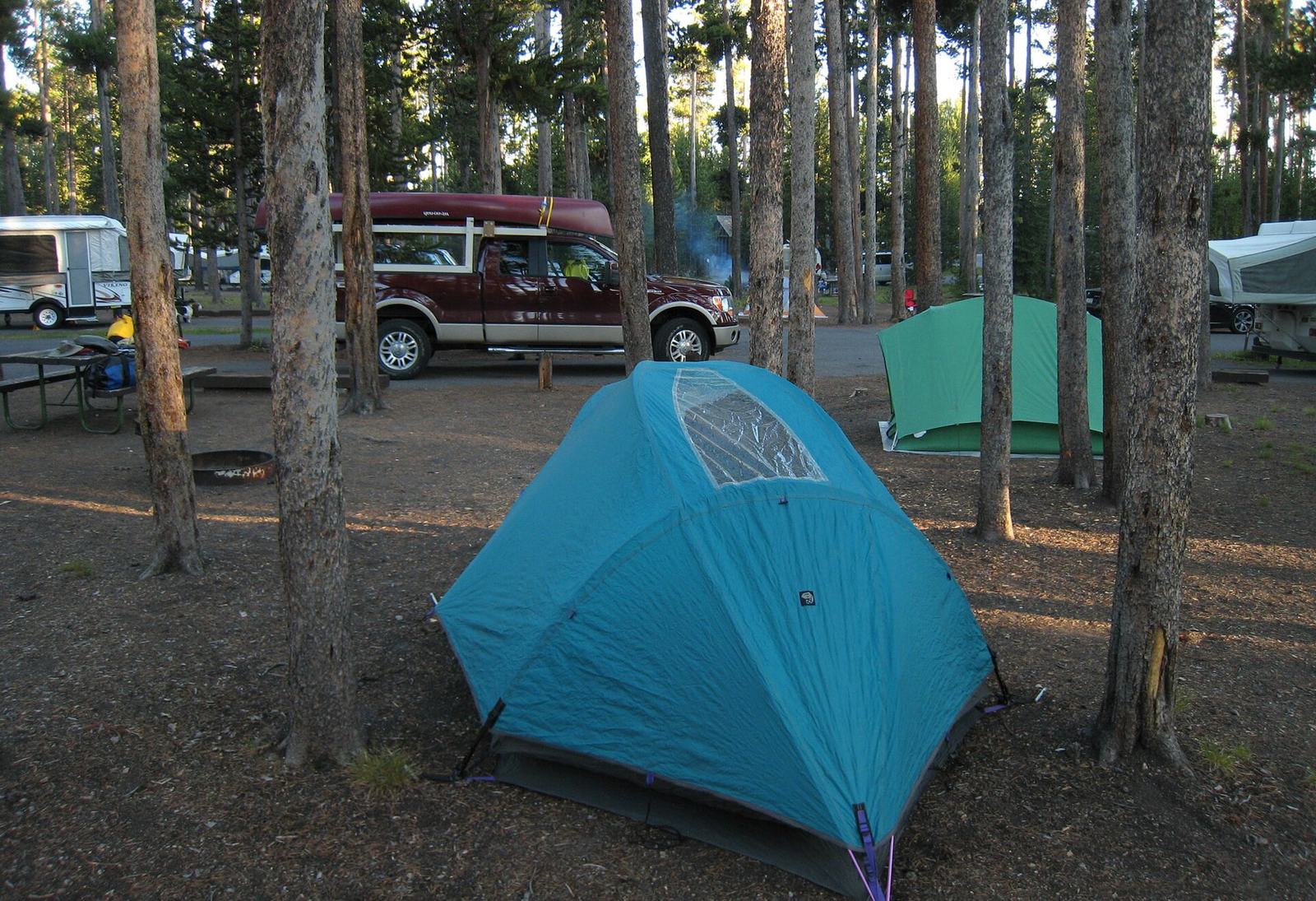
Yellowstone campground reservations are about to work differently. Beginning with the 2027 summer season, Bridge Bay, Canyon, Grant, Madison and Fishing Bridge RV Park move from Xanterra’s own booking system to Recreation.gov, and the booking window shortens from 13 months to roughly six. The campgrounds stay under Xanterra’s management; only the way you reserve them changes (checked September 2026).
That is a genuinely significant change for anyone who plans a year ahead. It also brings one clear improvement: on Recreation.gov you pick your actual site rather than a site type. This page explains which system books which campground, when each window opens, exactly what to do for the 2027 season, and how to get a site when everything looks full. For the campgrounds themselves — sites, prices, RV lengths and seasons — see our camping in Yellowstone guide.
What is changing about Yellowstone campground reservations in 2027?
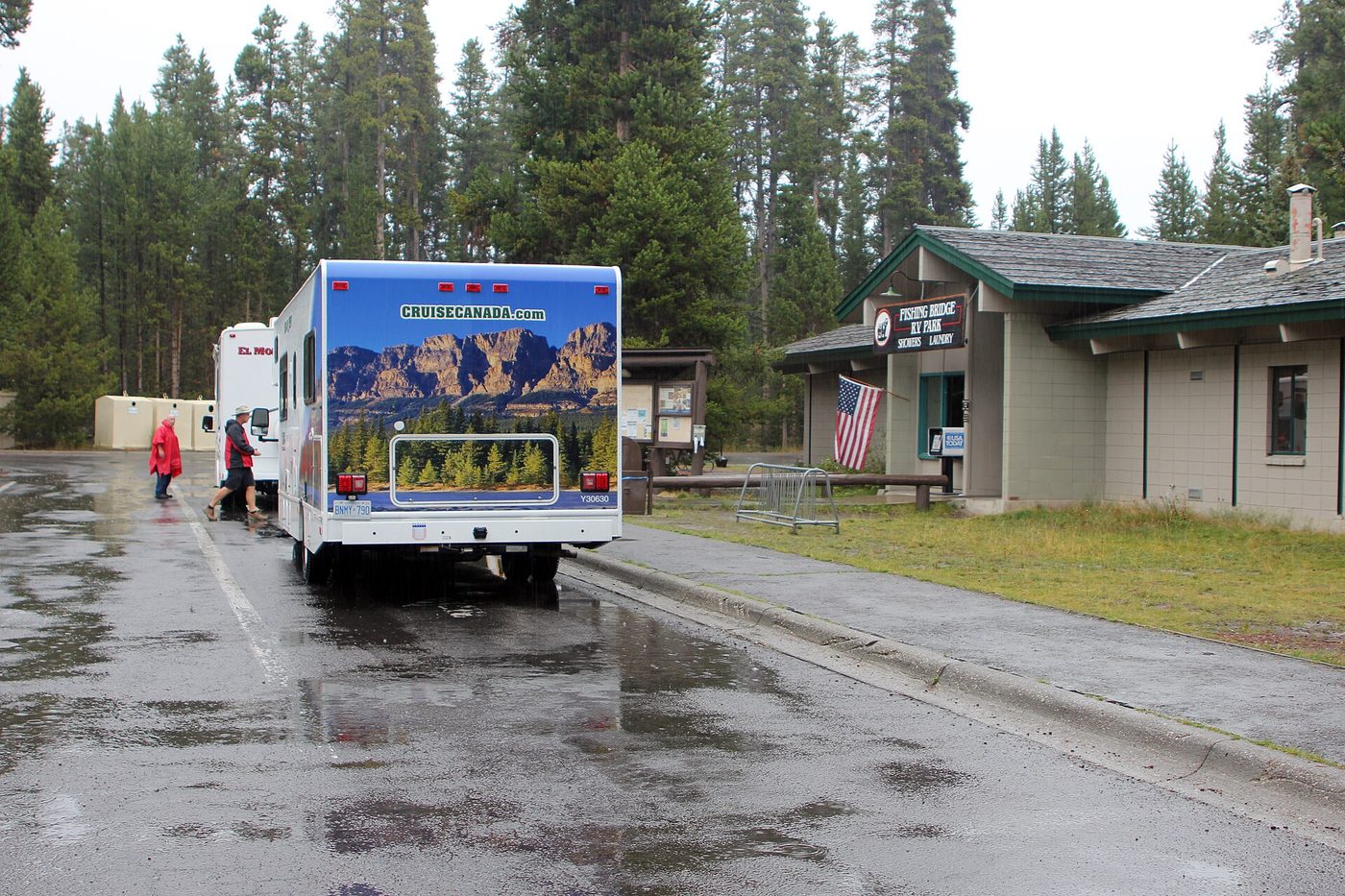
Five campgrounds move from Xanterra’s booking system to Recreation.gov, and the window drops from 13 months to about six. The campgrounds themselves, the staff and the facilities stay exactly as they are. You also gain the ability to pick your own numbered site, which the old system never allowed.
Xanterra’s own wording is unambiguous: beginning with the 2027 summer camping season, reservations for Bridge Bay Campground, Canyon Campground, Grant Campground, Madison Campground and Fishing Bridge RV Park will be handled through Recreation.gov, and Recreation.gov reservations for 2027 will open approximately six months in advance (checked September 2026).
What changes:
- The website. You book on Recreation.gov, not on the Yellowstone National Park Lodges site or by phone to Xanterra’s reservations office.
- The window. Roughly six months ahead instead of 13. A 15 July 2027 stay becomes bookable in mid-January 2027, not in June 2026.
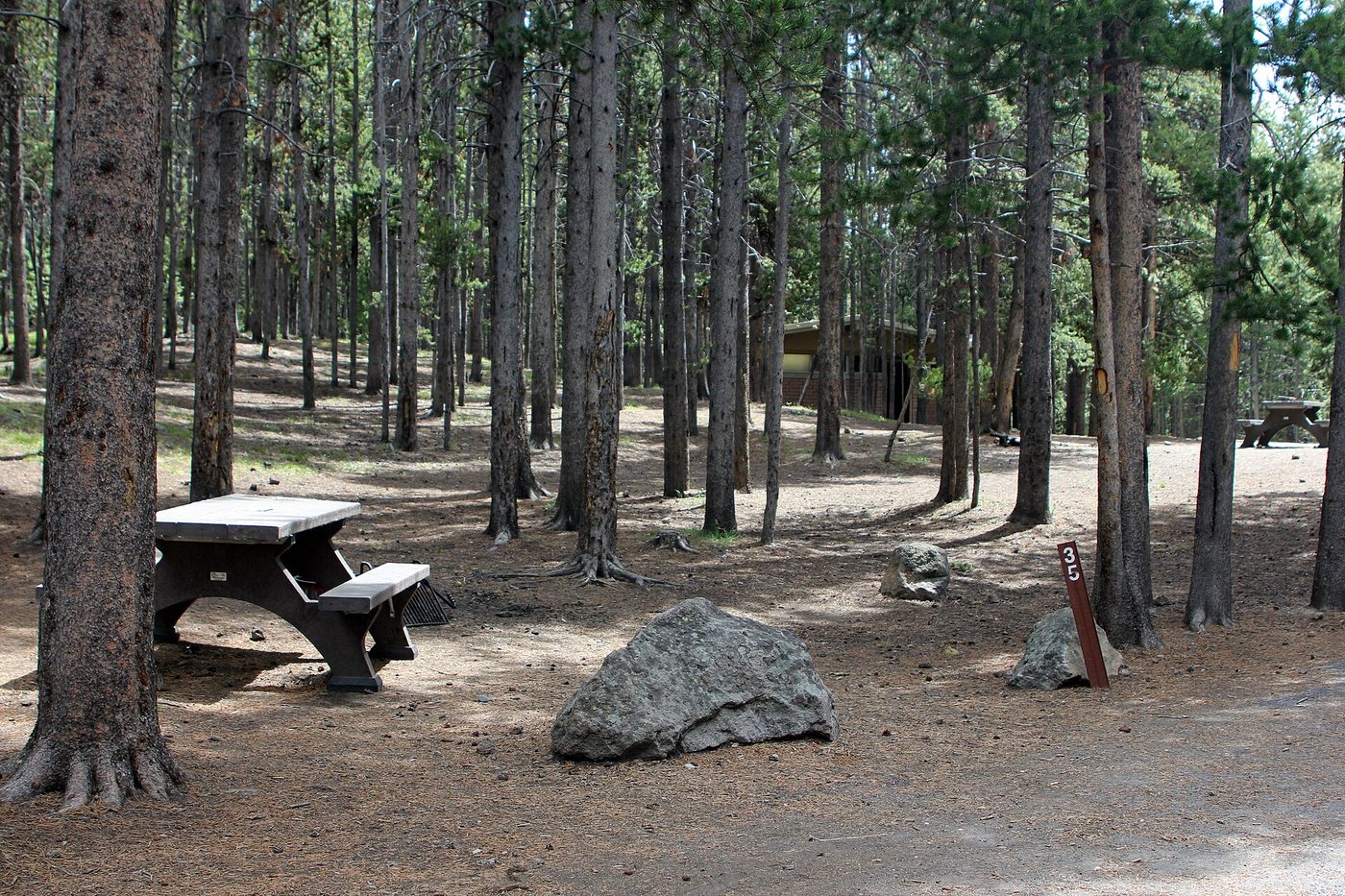
- Site selection. Recreation.gov lets you reserve an individual, named site. Xanterra’s system allocated a site on arrival. For anyone who cares about being away from the road, near a restroom or in the trees, this is a real upgrade.
- The competition pattern. A single six-month release concentrates demand into one morning per date, the way it already does for the NPS-run campgrounds and for every popular Recreation.gov site in the country.
What does not change:
- Who runs the campgrounds. Xanterra continues to manage all five on the ground: the entrance kiosks, the staff, the dump stations, the Fishing Bridge hookups.
- 2026 bookings. Reservations for the 2026 season continued to go through Xanterra’s website or reservations office.
- The five NPS-operated campgrounds. Indian Creek, Lewis Lake, Mammoth, Slough Creek and Tower Fall were already on Recreation.gov with a six-month window. Nothing changes for them.
- Lodging. In-park hotels and cabins are unaffected and still book 13 months ahead through Xanterra. Our Yellowstone lodging guide covers that separately.
Which system books which campground
| Campground | Operator | 2026 booking | 2027 booking | Window |
|---|---|---|---|---|
| Bridge Bay | Xanterra | Xanterra | Recreation.gov | 13 months → ~6 months |
| Canyon | Xanterra | Xanterra | Recreation.gov | 13 months → ~6 months |
| Fishing Bridge RV Park | Xanterra | Xanterra | Recreation.gov | 13 months → ~6 months |
| Grant Village | Xanterra | Xanterra | Recreation.gov | 13 months → ~6 months |
| Madison | Xanterra | Xanterra | Recreation.gov | 13 months → ~6 months |
| Indian Creek | NPS | Recreation.gov | Recreation.gov | Exactly 6 months |
| Lewis Lake | NPS | Recreation.gov | Recreation.gov | Exactly 6 months |
| Mammoth | NPS | Recreation.gov | Recreation.gov | 6 months; first-come Oct 15 – Apr 1 |
| Slough Creek | NPS | Recreation.gov | Recreation.gov | Exactly 6 months |
| Tower Fall | NPS | Recreation.gov | Recreation.gov | Exactly 6 months |
| Pebble Creek | NPS | Closed | Closed | Closed until further notice |
| Norris | NPS | Not listed for 2026 | Check before planning | — |
Status as published by the National Park Service and Xanterra (checked September 2026). Pebble Creek has been closed since the 2022 floods, and Norris did not appear on the 2026 campground list.
When do Yellowstone campground reservations open?
The NPS-operated campgrounds open on Recreation.gov exactly six months before the date of your stay, at 8 a.m. Mountain Time. The five Xanterra campgrounds opened 13 months ahead for the 2026 season, and from 2027 they move to Recreation.gov on the same roughly six-month window.
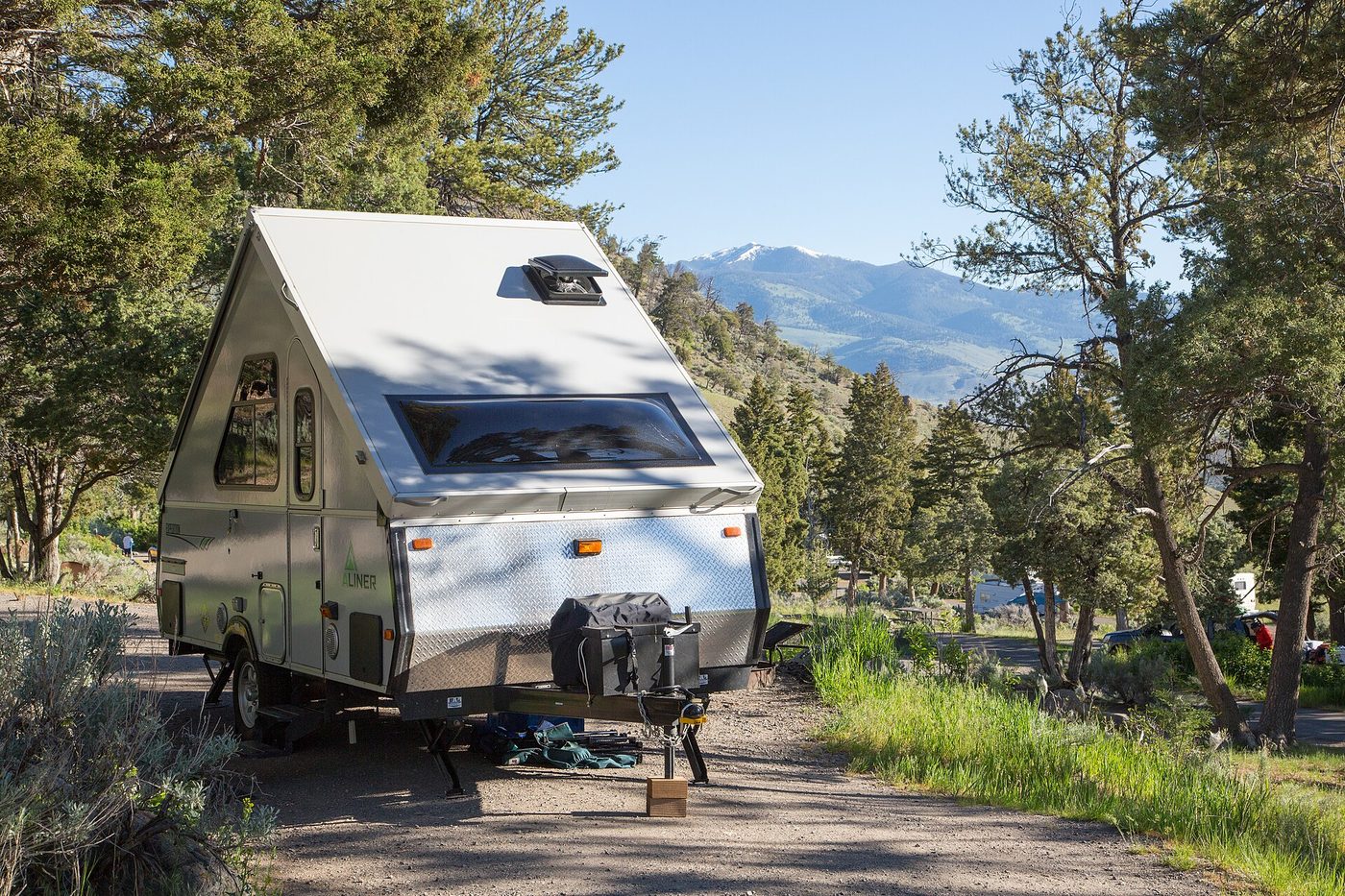
The distinction that matters is rolling versus block release. Recreation.gov’s six-month window is rolling: each night becomes available exactly six months before that night, so 12 July 2027 opens on about 12 January 2027 and 13 July opens the next day. Xanterra’s 13-month system released whole months at once, on the 5th of each month.
That has a practical consequence for anyone booking a multi-night stay on Recreation.gov. If you want four nights, the first night opens first and the fourth opens three days later. Most people book the first night when it releases, then extend day by day as each subsequent night opens — which means logging in four mornings in a row. Recreation.gov will also let you search for the full span once all nights are open, but by then the popular sites are gone.
How to book the 2027 season: a step-by-step plan
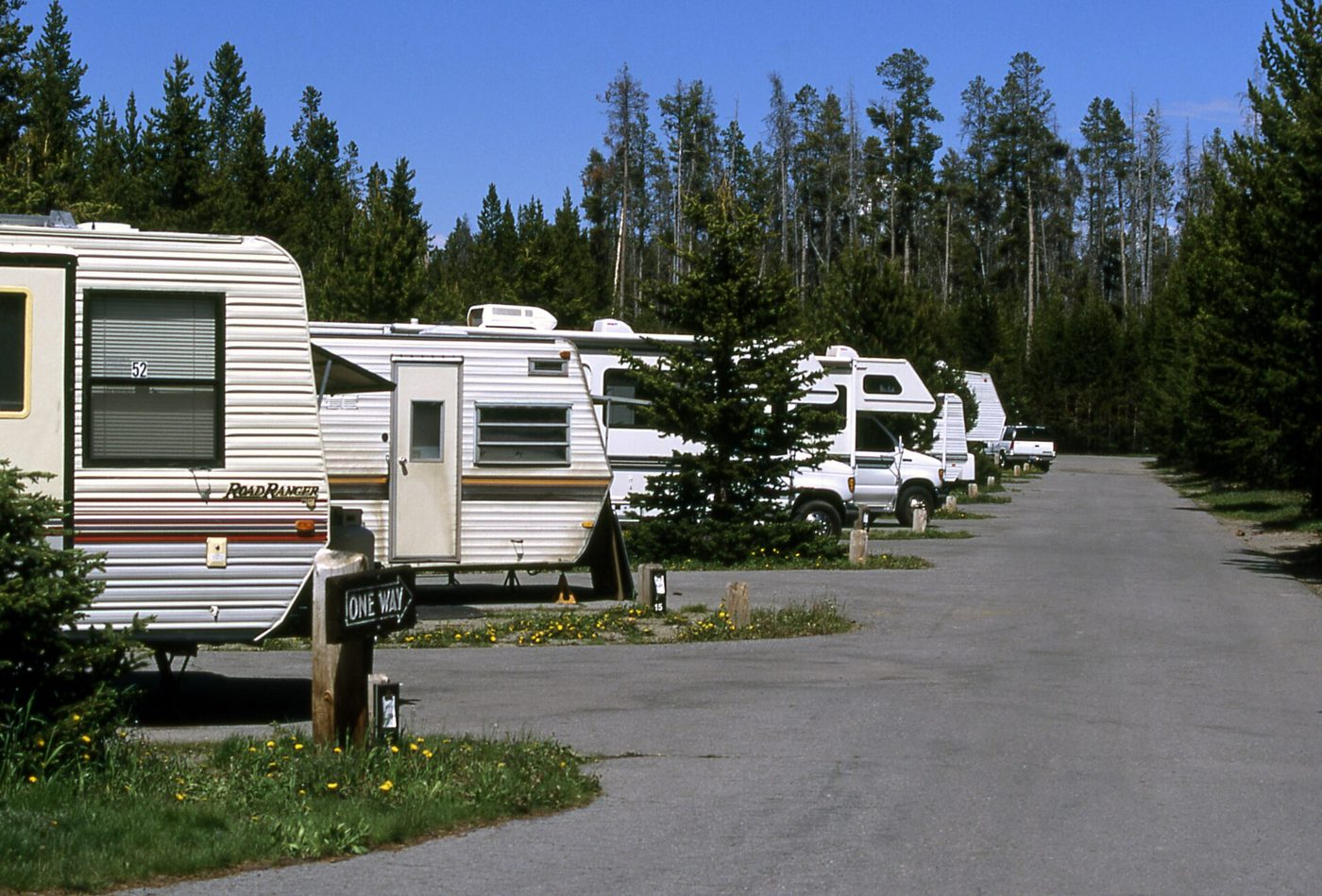
Work backwards from your arrival date.
- Fix your dates first. With a six-month window there is no room to be vague. Decide the exact arrival night, because that is the night that opens first.
- Create a Recreation.gov account now, before the release morning, with your payment card saved and your address confirmed. Accounts created on the day cost you the two minutes that decide whether you get a site.
- Count back six months from your arrival date and note the release date. Set an alarm for 7:50 a.m. Mountain Time.
- Research actual site numbers in advance. This is the part the old Xanterra system did not allow and the reason the change is worth something. Recreation.gov shows a site map, photos, length limits and whether a site is pull-through or back-in. Have a shortlist of five or six site numbers ranked, because your first choice will not be there at 8:00:30.
- Be online at 7:55. Have the campground page loaded, the date selected and your shortlist open.
- Book the arrival night, then extend. Come back the following mornings for each additional night. Changing a reservation to add nights is normally straightforward inside the same booking.
- Set a cancellation alert. Plans change constantly. Sites reappear.
If you miss the window, do not assume the season is closed to you. See the section on getting a site when everything is booked, below.
How Xanterra’s system worked, and what you lose
For context, and because 2026 stays still ran on it: Xanterra’s campground reservations shared the lodging window. In-park reservations opened up to 13 months ahead, and on the 5th of each month the whole corresponding month of the following year was released — online from midnight Mountain Time and by phone from 7 a.m. Mountain Time on 866-439-7375 (checked September 2026).
What you gain from the move is individual site selection, a single familiar national platform, and no advantage for people who happened to know that the 5th mattered.
What you lose is planning distance. A 13-month window let a family lock in a July stay before the previous summer had ended. A six-month window means a July 2027 trip is confirmed in January 2027, which is after most international flights are booked and after most school holidays are committed. If certainty matters more than the campground, an in-park lodge room still books 13 months ahead — our page on when Yellowstone reservations open sets out that calendar.
Cancellations, deposits and changes
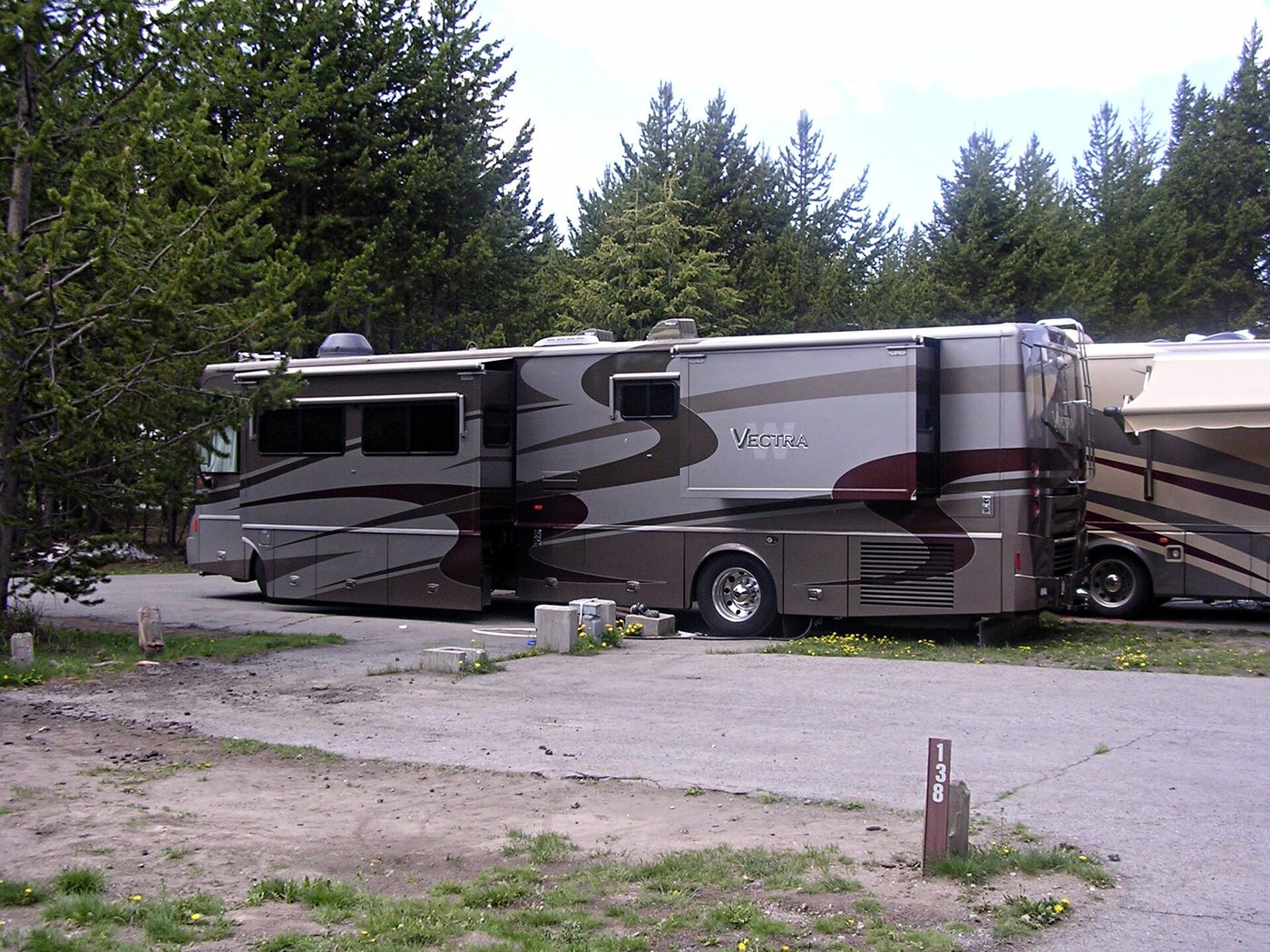
The two systems handle money differently, and the difference is worth knowing before you book.
Recreation.gov takes payment for the stay at booking, along with a non-refundable reservation fee. Cancellations made in advance return the site fee minus a service charge; cancelling inside the arrival window typically costs the first night. Exact amounts are shown on each campground’s page at the time of booking, and they are not the same at every site.
Xanterra’s system, which governed 2026 campground stays and still governs lodging, took a deposit equal to the first night. Cancelling 30 or more days before arrival returned it in full; cancelling inside 30 days forfeited the deposit and added a $25 cancellation fee (checked September 2026).
Two practical notes. Changing dates is usually cheaper than cancelling and rebooking, so call or edit rather than starting again. And if you are holding a site you no longer want, cancel it properly — Yellowstone campgrounds run effectively full all summer, and a released site goes to somebody within hours.
What is closed, and what that does to availability
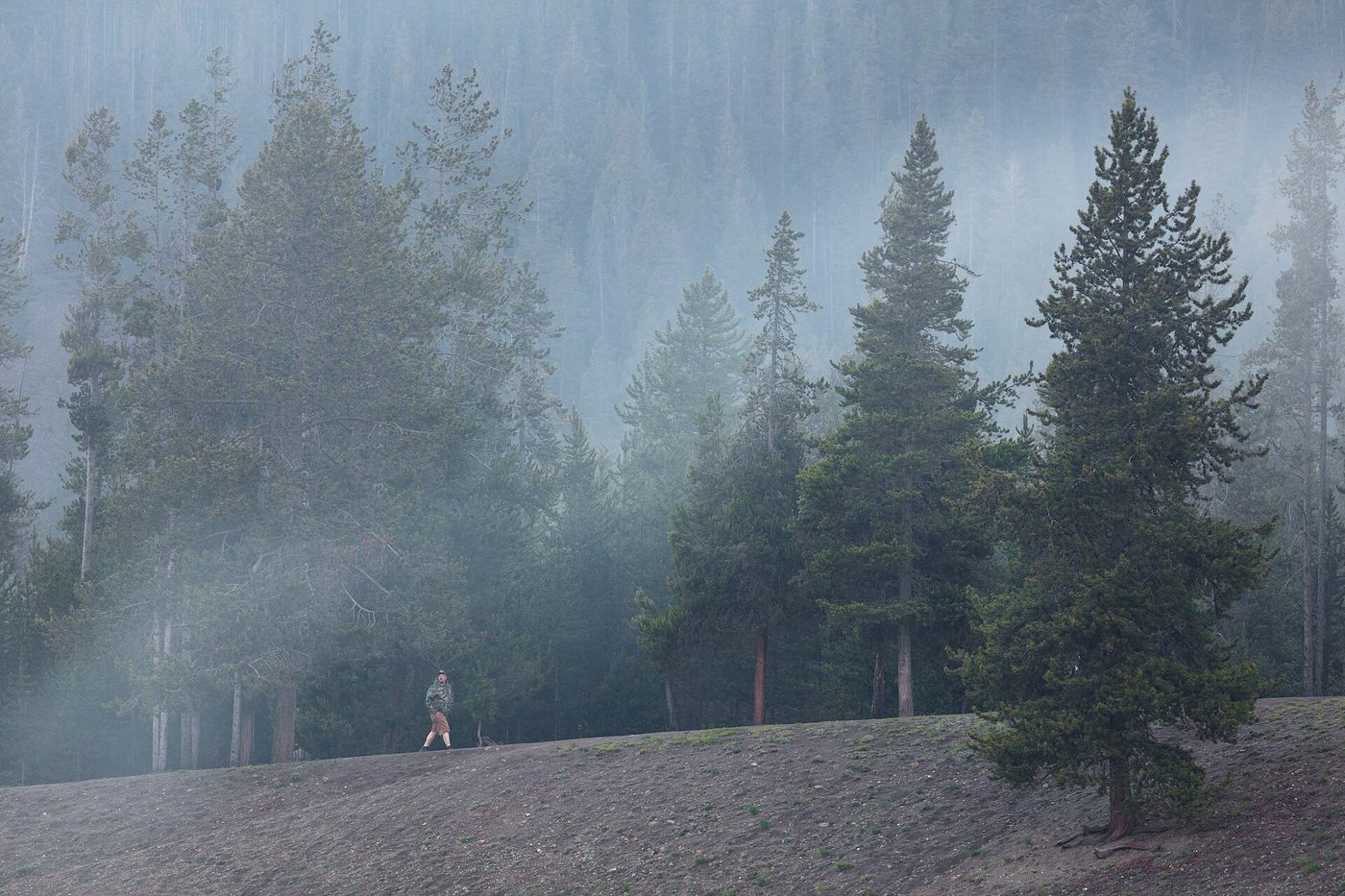
Two campgrounds are out of the system, and their absence is felt.
Pebble Creek has been closed since the 2022 floods. The National Park Service describes it as significantly impacted and closed until further notice. That removes 27 sites from the northeast corner of the park, which is the quietest and most wildlife-rich area and had very little camping to begin with.
Norris did not appear on the park’s 2026 campground list. That is another 100-odd sites absent from the middle of the park, between Mammoth and Madison.
The consequence is simple arithmetic: the same number of campers competing for meaningfully fewer sites, concentrated into the remaining ten campgrounds. If your plan depended on either of these, check the current status before you build an itinerary around it. Our camping hub tracks the closures.
What to check before you click book
The reservation page tells you most of what you need, but four details decide whether a site actually works for you, and they are easy to miss at 8:00 a.m. with a queue behind you.
Vehicle length. Every site has a limit, and it is measured for your whole rig — motorhome plus towed car, or truck plus trailer. The Xanterra-managed campgrounds take the longest vehicles, with Fishing Bridge RV Park by far the most generous; the NPS-run campgrounds are considerably tighter, and several cap out around 30 feet. Booking a site you cannot physically fit into is the single most common RV mistake in the park, and there is no swap available when you arrive.
Hookups and generators. Fishing Bridge RV Park is the only campground in Yellowstone with full hookups. The other Xanterra campgrounds have no hookups but do permit generators during posted hours and have dump stations. The five NPS-run campgrounds have no hookups and do not permit generators at all. If you rely on a CPAP machine, a powered fridge or a medical device, that distinction is not a preference, it is a constraint.
What is actually nearby. Yellowstone campgrounds are not all equal in position. Madison and Canyon put you inside the Lower Loop with short morning drives; Lewis Lake and Grant are convenient for the South Entrance and the lake; Slough Creek and Tower Fall are the northern-range wildlife sites; Mammoth is the only one open in winter. Our best campgrounds in Yellowstone page compares them by what you can reach at dawn, and our Madison Campground page covers the most popular of them in detail.
Accessibility. Recreation.gov flags accessible sites and lets you filter for them, which is another practical gain over the old allocation system. Accessible restrooms exist at every campground, but the surface between a site and the nearest facility varies a great deal, and gravel loops are hard work with a wheelchair.
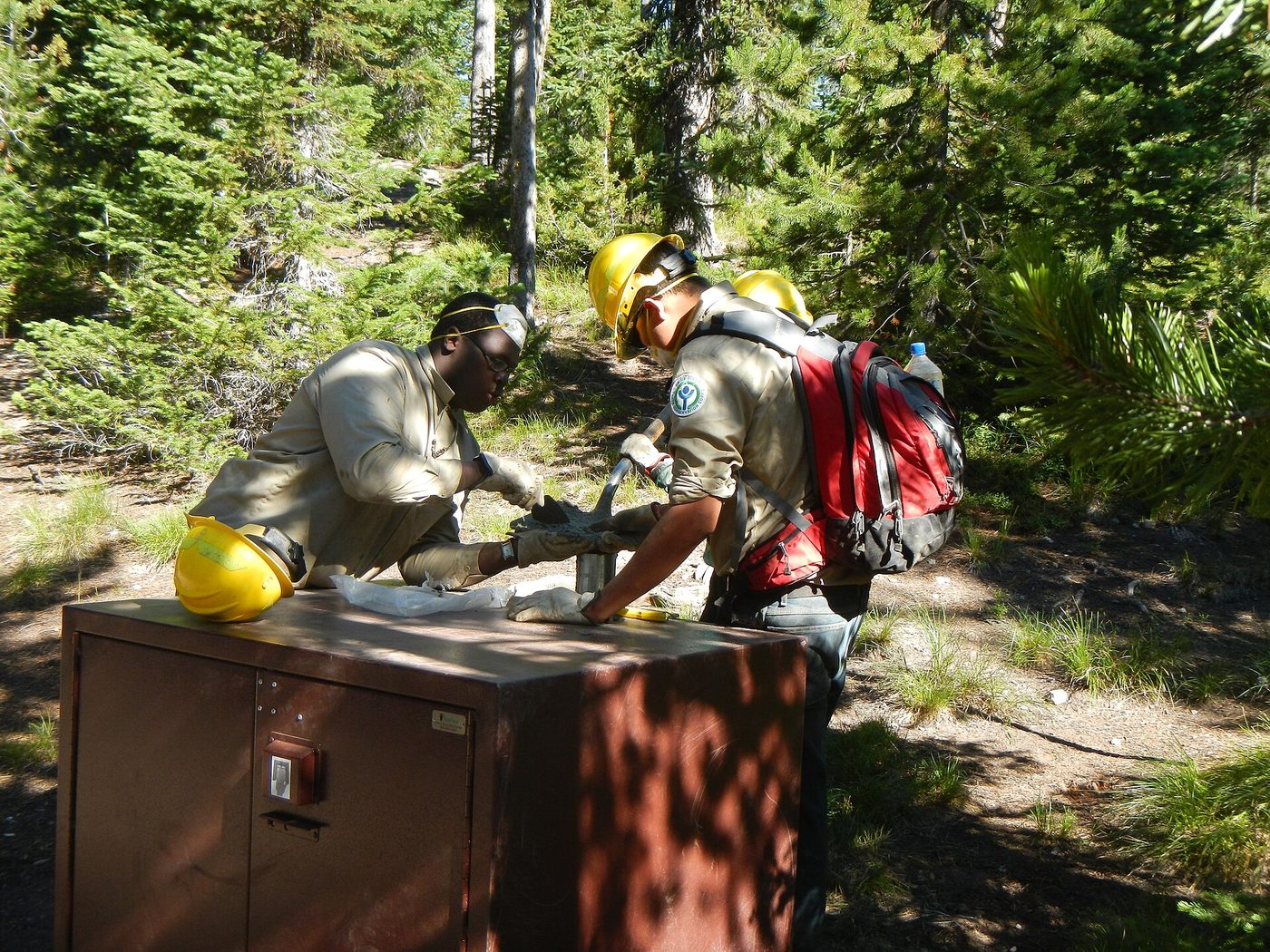
Food storage rules. Every campsite in Yellowstone is in bear country, and the rules are enforced rather than advisory. All food, coolers, cooking gear, rubbish and anything scented goes in a hard-sided vehicle or a provided bear box whenever you are not actively using it. Soft-sided pop-up campers are prohibited at some campgrounds for exactly this reason, so check the restrictions on the site page before booking one.
What camping in Yellowstone costs
Camping is the cheapest way to sleep inside the park by a wide margin, and the price gap between the two systems is large.
The NPS-run campgrounds — Indian Creek, Lewis Lake, Slough Creek and Tower Fall — sat at $20 per night for the 2026 season, with Mammoth at $25. The Xanterra-managed campgrounds ran from $38 plus tax at Bridge Bay and Madison to $45 plus tax at Canyon and Grant, with Fishing Bridge RV Park at $94 plus tax for a full-hookup site (checked September 2026). Set that against in-park lodge rooms, which run several times higher, and a family trip built on camping can cost less than a third of the same trip in cabins.
Two costs people forget. The entrance fee is separate and is charged per vehicle regardless of where you sleep — $35 for seven days, plus the $100 nonresident fee for each non-US resident aged 16 and over since 1 January 2026 (checked September 2026); our entrance fee page has the detail. And reservation and service fees apply on top of the nightly rate on Recreation.gov, which is a small amount per booking but worth knowing about when you compare quoted prices.
Can you camp in Yellowstone without a reservation?
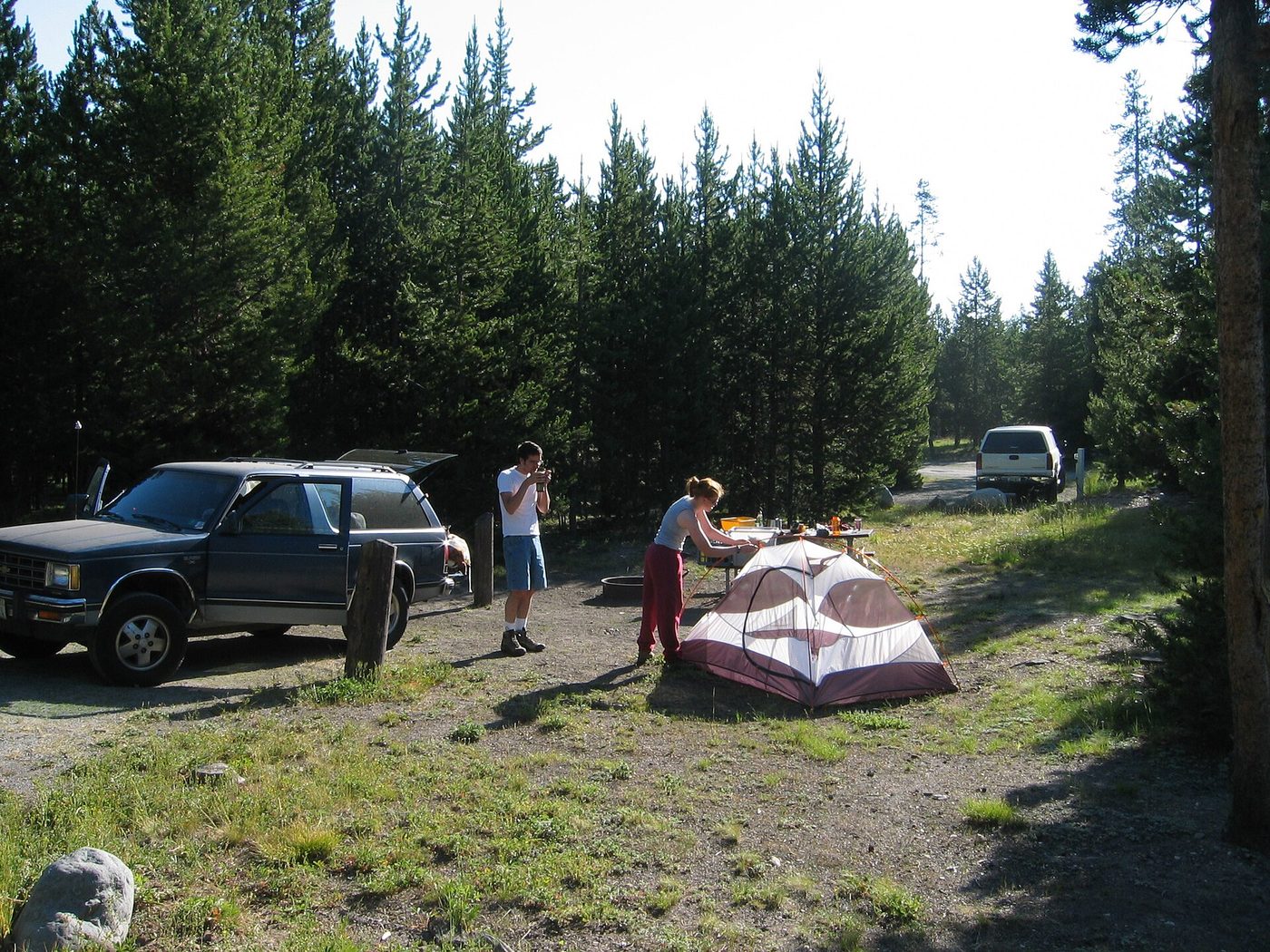
Almost never in summer. Every campground in the park requires a reservation during the summer season. The single exception is Mammoth Campground, which switches to first-come, first-served from 15 October to 1 April — in other words, only outside the season most people visit.
Do not plan on arriving and finding something. This is the most common and most expensive mistake campers make in Yellowstone: the campgrounds fill, the gateway towns fill behind them, and the nearest guaranteed bed can be two hours away in Bozeman or Idaho Falls. Dispersed camping is not permitted inside the park, and sleeping in a vehicle at a pullout or parking area is prohibited.
If you arrive without a reservation, your realistic options are the national forest campgrounds outside the park boundary in the Custer Gallatin, Caribou-Targhee and Shoshone forests, the commercial RV parks in West Yellowstone, Gardiner and Cody, or whatever has cancelled inside the park that morning. Check Recreation.gov before you drive anywhere — a site you can book from the phone at 7 a.m. beats a hopeful queue at a kiosk.
Backcountry permits are a different system entirely
If you are camping away from the road, none of the above applies. Backcountry camping requires a permit year-round for every overnight trip, and it is booked through its own process on Recreation.gov (checked September 2026).
The outline: an early-access lottery with applications from 1 to 20 March for a $10 fee, results on 25 March, early-access booking from 1 to 25 April for lottery winners, then general booking from 26 April for the peak season of 15 May to 31 October. Permits must be reserved at least three days ahead, and cost $5 per person per night plus a $10 reservation fee. There are 293 designated backcountry sites, party sizes run from 4 to 12 depending on the site, and stays are limited to one to three nights per site. Roughly a quarter of capacity is held back for walk-up permits, available up to two days before a trip.
Food storage rules are strict and enforced: a bear-resistant canister, or a hang using a 35-foot rope on the site’s food pole. Read our safety page before planning a backcountry night.
How to get a site when everything is booked
Sites open up constantly. These are the tactics that actually work, in rough order of effectiveness.
- Check at 8:00 a.m. Mountain Time, daily. That is when the rolling window releases a new night and when overnight cancellations clear.
- Use a cancellation alert service. Several third-party services monitor Recreation.gov and notify you when a site opens. They are the single highest-yield tactic for a sold-out summer date.
- Move your dates midweek. Sunday to Thursday nights have noticeably better availability than Friday and Saturday.
- Take a less famous campground. Indian Creek, Lewis Lake and Tower Fall are smaller, quieter and less fought over than Canyon and Madison. Our best campgrounds in Yellowstone page compares them properly.
- Split your stay. Two nights at Madison and two at Canyon is far easier to book than four nights anywhere. It also puts you closer to different halves of the park, which is good practice anyway — see how many days in Yellowstone for the base logic.
- Shift the season. Early June and late September have real availability while July has none, and both are better months to be in the park. Compare them on our best time to visit Yellowstone page.
- Book the shoulder of the campground’s own season. Madison and Fishing Bridge RV Park run into mid-October; Slough Creek and Lewis Lake into the second week. Those late dates are the easiest sites in the park to get.
Watch the 2027 transition itself. A first season on a new platform usually produces a few oddities: campgrounds that appear late, dates that release out of order, or a system that opens a whole block rather than a single night. Check the campground’s Recreation.gov page in the weeks before your release date rather than assuming the window is exactly where you calculated it.
The one tactic we would not rely on: turning up and hoping. It works occasionally in May and almost never between mid-June and Labor Day.
A note on the third-party services, since we would rather be honest about them than pretend they do not exist. They work by polling Recreation.gov’s availability and alerting you when something frees up, and for a genuinely sold-out date they are the difference between camping and not. They charge a subscription, they do not book for you, and they cannot conjure sites that nobody cancels. Use one if your dates are fixed and your heart is set on a particular campground. Skip it if you can move your dates by a week, because moving your dates is free and works better.
What this means if you are planning a 2027 trip now
If you are reading this in late 2026 with a 2027 camping trip in mind, here is the practical summary.
You cannot book the five big campgrounds yet, and you will not be able to until roughly six months before your arrival date. That feels uncomfortable if you are used to the old 13-month certainty, but it is the norm at almost every national park campground in the country, and the system works. Do three things in the meantime. Create and verify a Recreation.gov account. Decide your exact dates, because the window is unforgiving of flexibility. And book anything that still runs on a longer window first — in-park lodge rooms if you want a mixed trip, flights, and rental cars — so that the campground booking is the last piece rather than the first.
Then put the release date in your calendar with an alarm, research site numbers on the Recreation.gov map in advance, and be online five minutes early. That is genuinely most of it. The people who get sites are not luckier; they are the ones who knew the date and had a shortlist.
Frequently asked questions
Are Yellowstone campground reservations moving to Recreation.gov?
Yes. From the 2027 summer season, Bridge Bay, Canyon, Grant, Madison and Fishing Bridge RV Park move from Xanterra’s booking system to Recreation.gov. The five NPS-run campgrounds — Indian Creek, Lewis Lake, Mammoth, Slough Creek and Tower Fall — were already on Recreation.gov.
How far in advance can I book a Yellowstone campground?
About six months from the 2027 season, down from 13 months. The NPS-run campgrounds already open exactly six months before the date of your stay. The window is rolling, so each night becomes available six months before that specific night.
What time do Yellowstone campground reservations open?
Recreation.gov releases sites at 8 a.m. Mountain Time on the day the six-month window opens. Be logged in with a saved payment card and a shortlist of site numbers several minutes before then.
Who runs the campgrounds after the change?
Xanterra continues to manage Bridge Bay, Canyon, Grant, Madison and Fishing Bridge RV Park on the ground. Only the reservation platform moves to Recreation.gov. The National Park Service runs the other five.
Can I choose my own campsite?
From 2027, yes, at all ten open campgrounds. That is the main improvement in the change: Recreation.gov lets you reserve an individual numbered site with a map, photos and length limits, where Xanterra’s system assigned a site on arrival.
Is Pebble Creek Campground open?
No. Pebble Creek has been closed since the 2022 floods and the National Park Service lists it as closed until further notice. Norris Campground also did not appear on the park’s 2026 list. Check current status before planning around either.
Can I camp in Yellowstone without a reservation?
Not in summer. Every campground requires a reservation during the summer season. Mammoth Campground is first-come, first-served from 15 October to 1 April only. Dispersed camping and sleeping in vehicles at pullouts are prohibited inside the park.
What happens to my existing 2026 reservation?
Nothing. Reservations made for the 2026 season through Xanterra’s website or reservations office stand as booked. The change applies from the 2027 summer season onward.
Sources
- Yellowstone National Park Lodges (Xanterra) — camping and the 2027 Recreation.gov transition, checked September 2026.
- National Park Service — Yellowstone campgrounds, seasons and closures, checked September 2026.
- National Park Service — Yellowstone backcountry camping and permits, checked September 2026.
- Recreation.gov — Yellowstone National Park camping and permits, checked September 2026.
Image credits
| Photo | Credit |
|---|---|
| Every campground in the park needs a reservation in summer (top of page) | Yellowstone National Park from Yellowstone NP, USA, public domain, via Wikimedia Commons |
| Fishing Bridge RV Park is the only campground in Yellowstone with full hookups, and it mov | Yellowstone National Park from Yellowstone NP, USA, public domain, via Wikimedia Commons |
| From 2027 you can choose the numbered site itself rather than being assigned one at the ga | Yellowstone National Park from Yellowstone NP, USA, public domain, via Wikimedia Commons |
| The six-month window is rolling, so each night of a multi-night stay opens on its own morn | Neal Herbert, public domain, via Wikimedia Commons |
| Have five or six site numbers shortlisted before the release, because the first choice goe | Yellowstone National Park from Yellowstone NP, USA, public domain, via Wikimedia Commons |
| Check the length limit against your whole rig, towed car included | Yellowstone National Park from Yellowstone NP, USA, public domain, via Wikimedia Commons |
| With Pebble Creek closed and Norris off the 2026 list, the remaining campgrounds absorb th | Yellowstone National Park, public domain, via Wikimedia Commons |
| Arriving without a booking in July does not work | Yellowstone National Park from Yellowstone NP, USA, public domain, via Wikimedia Commons |
| Food storage rules are enforced, in front country and backcountry alike | NPS Staff (Yellowstone YCC), public domain, via Wikimedia Commons |