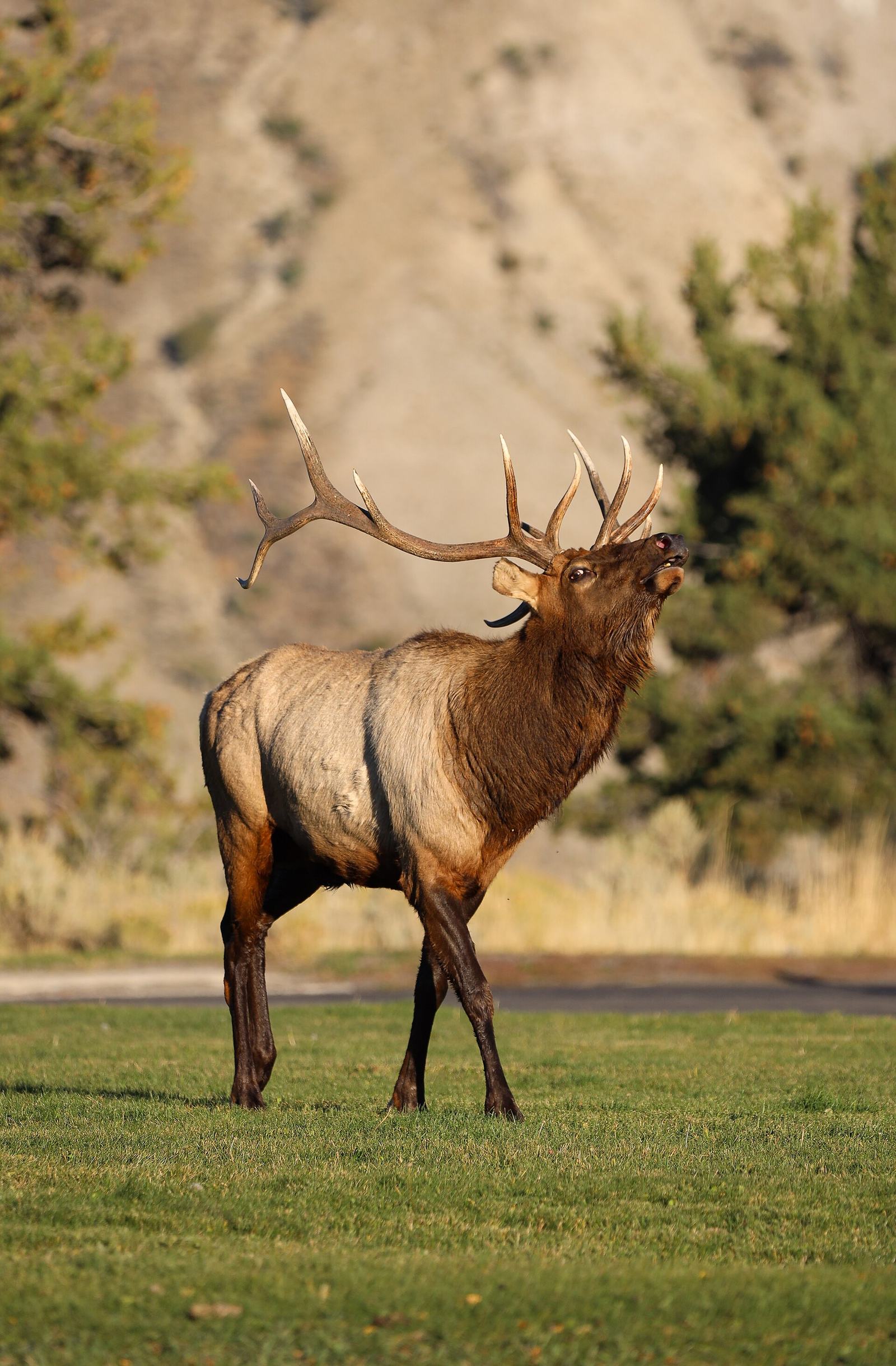
If you can only take one trip, take it in September. Yellowstone in September keeps every road and every major basin open while the summer crowd thins out after Labor Day, the elk rut fills Mammoth with bugling bulls, and the light turns gold by 6 p.m. The trade is cold: overnight lows at Mammoth average 37°F and can drop into the twenties, and the last week can deliver real snow.
That combination — full access, falling crowds, peak wildlife activity — is why September beats June on most itineraries, and why it is the month most experienced Yellowstone travellers quietly protect. For how it stacks up against the other eleven, see our month-by-month breakdown of the best time to visit Yellowstone. This page is the September detail: what the thermometer actually does, when the crowd breaks, where the elk are, and what has already shut by the time you arrive.
The honest verdict on September
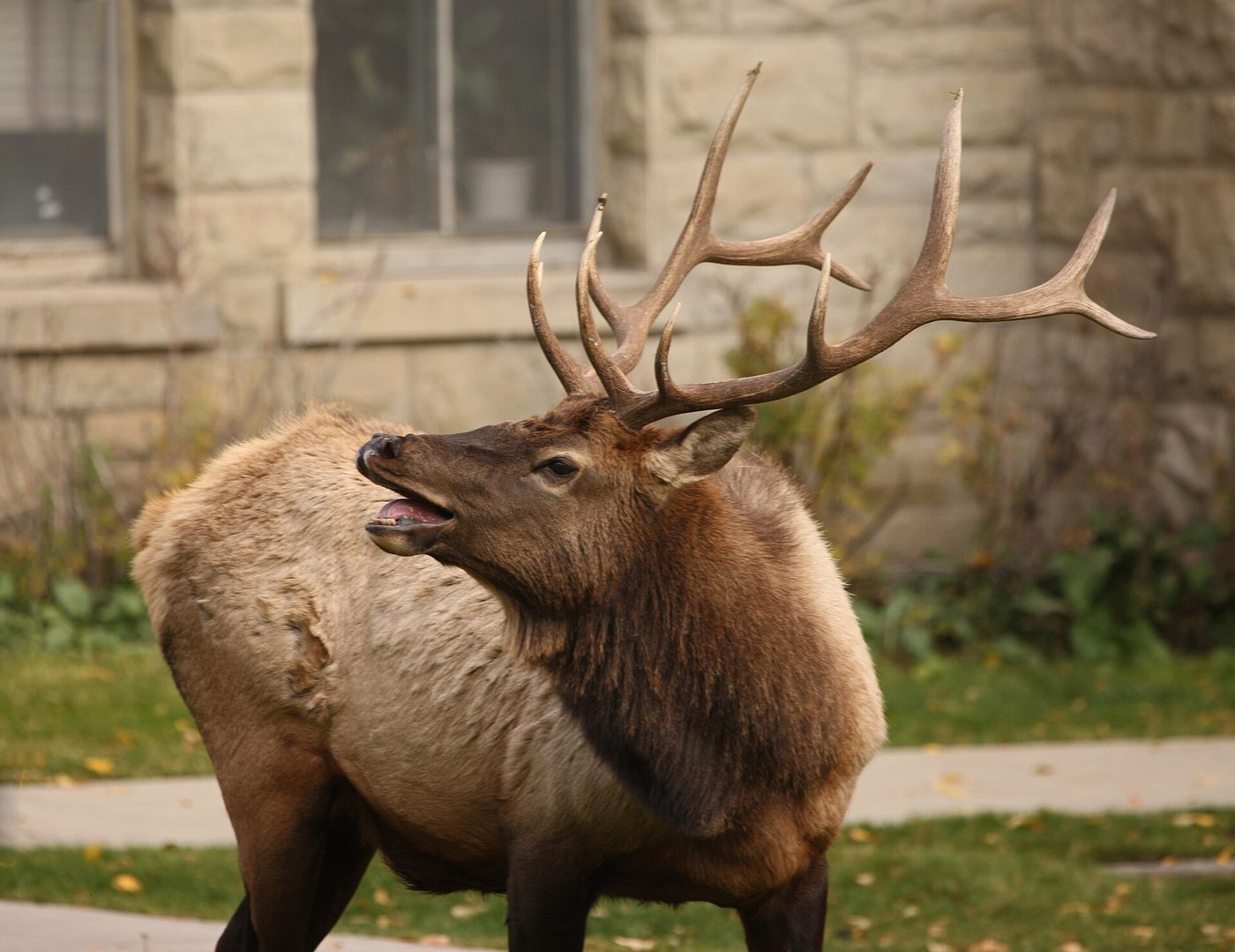
September is the strongest all-round month in Yellowstone, with two caveats worth taking seriously.
The first is that “September” is two different months wearing one name. The first week is still summer: Labor Day weekend runs heavy, every lodge is full, and the Old Faithful parking lots fill by 10 a.m. From roughly the second week the park changes character — fewer cars, shorter waits at the entrance stations, wildlife moving in daylight, and a genuine chance of frost on your windshield.
The second caveat is that September is when the park begins dismantling itself for winter. Roosevelt Lodge closed on 6 September in 2026. Bridge Bay Campground closed 13 September, Canyon Campground 19 September, Grant 26 September. If you arrive on 25 September expecting the same menu of beds and campsites that existed on 25 July, you will be disappointed in a very specific, avoidable way.
Plan around those two things and September is close to ideal. Ignore them and you get a cold, half-shuttered park with your third-choice hotel in Livingston.
Yellowstone weather in September: expect all four seasons
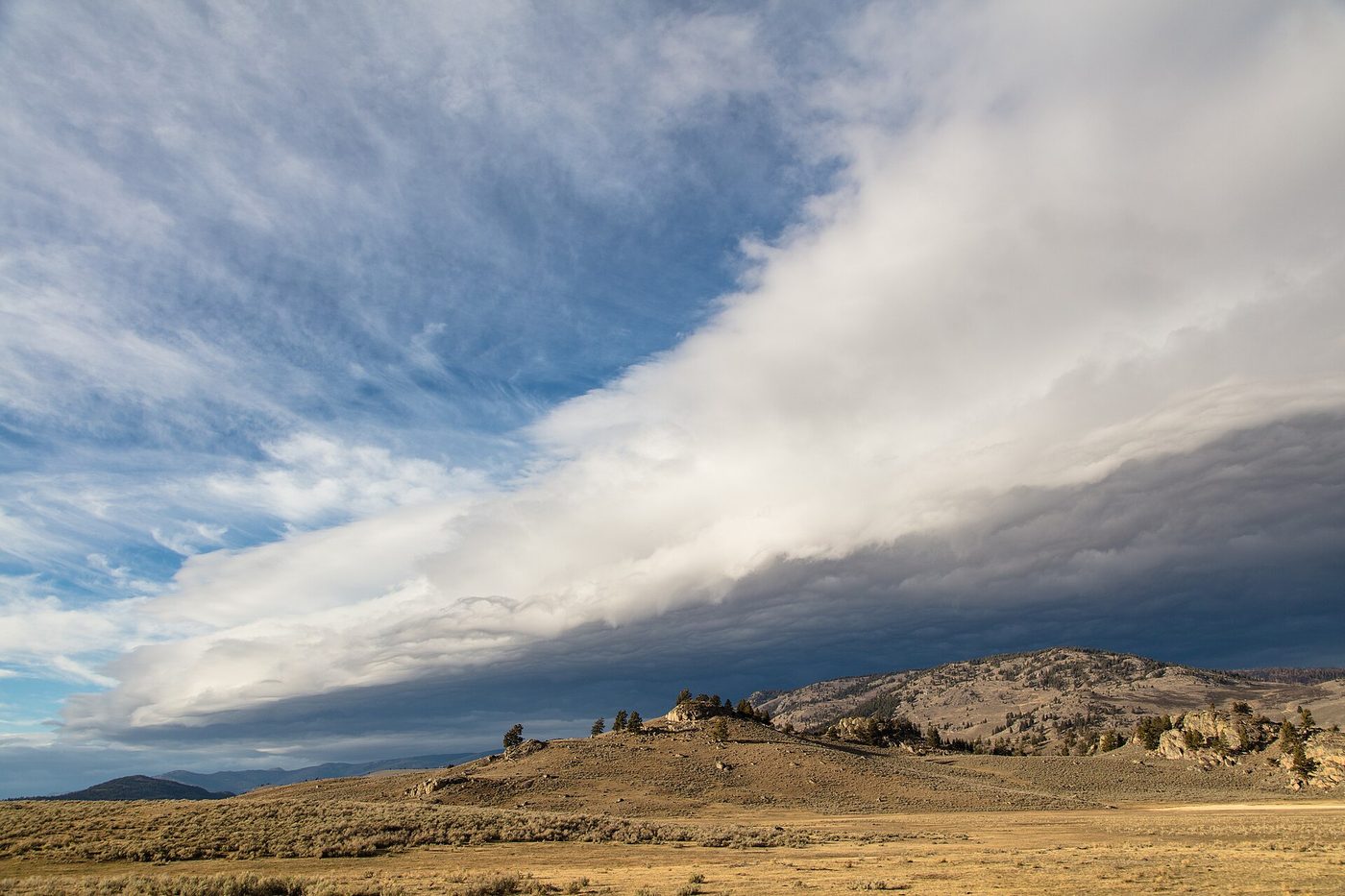
Yellowstone weather in September is not a single climate. It is a fast slide from late summer into early winter, compressed into 30 days, and the park’s own averages hide how wide the daily swing gets.
The NPS weather page gives September averages of a 67.8°F high and a 37.0°F low (checked September 2026). That 31-degree spread is the number that matters. A 9 a.m. start at Lamar Valley can be 30°F with frost on the sage; the same day at Midway Geyser Basin at 2 p.m. can be 70°F in direct sun at 7,300 feet. You are dressing for both, every day.
| Month | Avg high | Avg low | What it feels like |
|---|---|---|---|
| July | 79.6°F | 46.7°F | Warm, dusty, crowded, afternoon thunderstorms |
| August | 78.3°F | 45.3°F | Same, plus wildfire smoke some years |
| September | 67.8°F | 37.0°F | Cool mornings, pleasant afternoons, frost by mid-month |
| October | 55.7°F | 29.4°F | Cold, quiet, snow likely, services closing |
Figures from the NPS Yellowstone weather page (checked September 2026). Treat them as park-wide guidance rather than a forecast for one spot: Mammoth at 6,200 feet runs warmer than Canyon at 7,900 feet, and the difference on a cold morning can be ten degrees.
Three September weather patterns to plan around:
- Hard frost, most mornings, from about the 10th. Boardwalks at Norris and Upper Geyser Basin get slick where thermal runoff freezes. Walk slowly on the first hour of boardwalk.
- Snow, plausible any week, likely in the last one. It usually melts off the low roads by noon, but Dunraven Pass (8,859 feet) and the Beartooth Highway can close for a day with no notice.
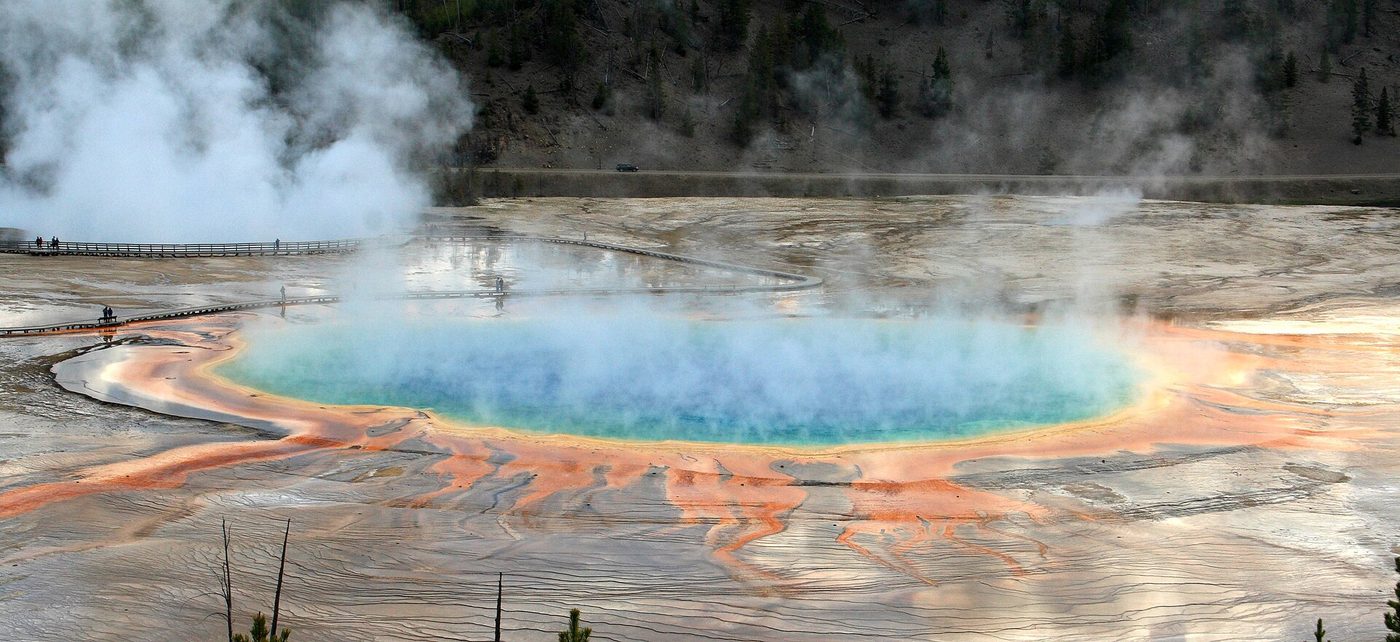
- Steam, everywhere, spectacularly. Cold air over 200°F water is why September photographs of the geyser basins look better than July ones. Get to Midway or Norris in the first hour of light.
The park’s own weather summary is blunt about the variability: expect big temperature swings, rain or snow in any month of the year. That is not boilerplate at 7,000 feet in September.
How crowded is Yellowstone in September?
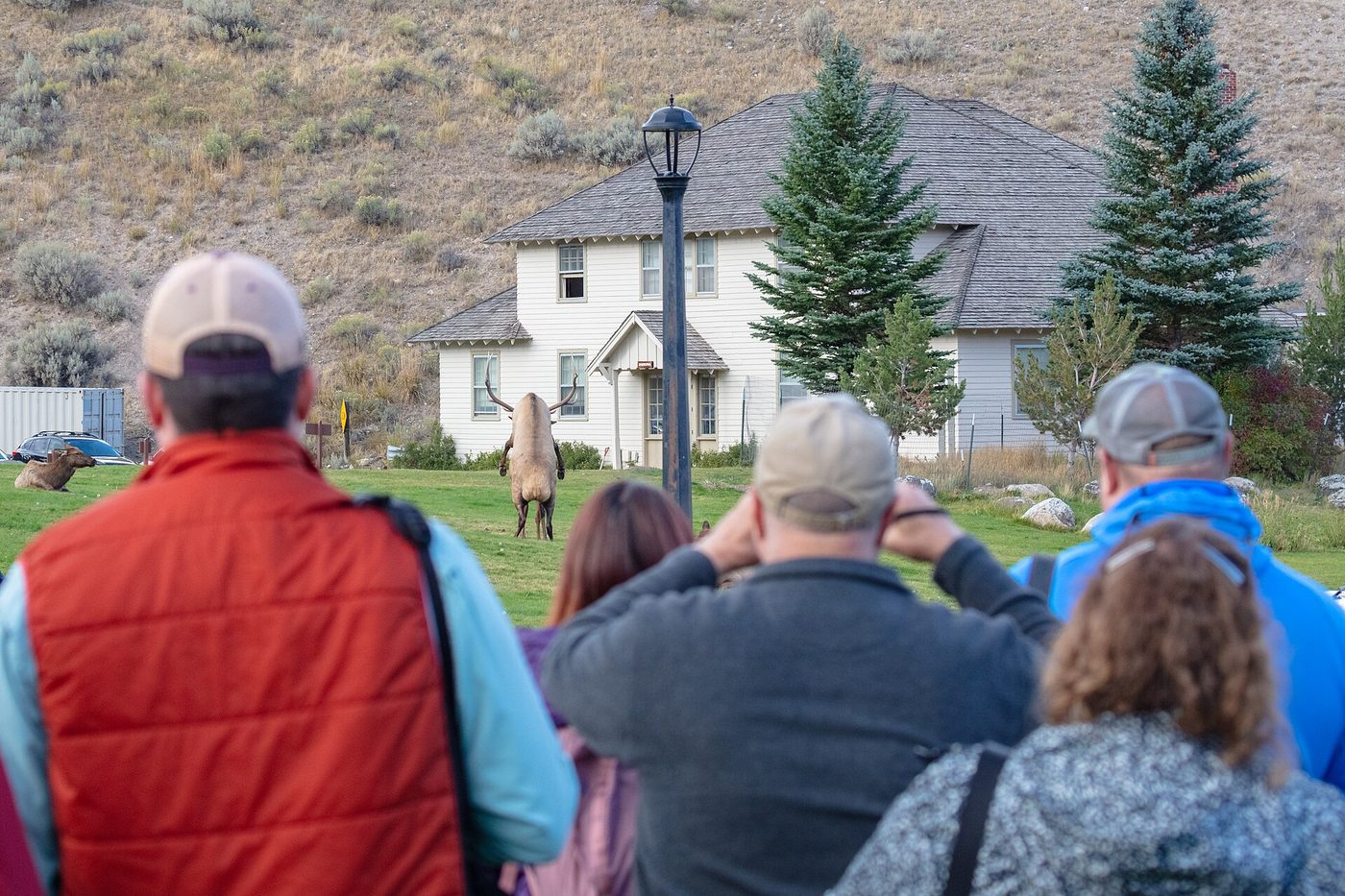
Crowds drop sharply but unevenly. Labor Day weekend still runs at near-peak volume, and the following ten days stay moderately busy with international tour groups and retirees. From roughly 15 September the parking lots at Old Faithful, Midway and Artist Point stop filling before mid-morning, and by the last week you can have Hayden Valley almost to yourself at dawn.
For scale: Yellowstone recorded 4,762,988 recreation visits in 2025, its second-highest year ever, and July alone accounted for 975,109 of them (NPS, checked September 2026). September sits well below that peak without falling into the near-empty territory of November.
What that means on the ground is mostly about timing rather than avoidance. The bottlenecks that ruin a July day — the West Entrance queue, the Midway lot, the Grand Prismatic overlook trail — still form in early September, just later in the morning and for fewer hours. If you are on the road by 7 a.m. you will not queue for anything all month. If you leave your hotel in West Yellowstone at 9:30, early September will still feel like summer.
A few specifics worth knowing:
- The West Entrance is the busiest of the five and the one most likely to back up in the first half of the month.
- Wildlife jams do not thin out. A bear on the Dunraven road stops traffic in September exactly as it does in July, and the elk rut creates its own jams around Mammoth.
- Bus tours cluster mid-September. Old Faithful and Artist Point absorb them; Lamar Valley and the Bechler corner do not see them at all.
More on the daily and seasonal rhythm in our page on Yellowstone’s crowds and how to dodge them.
The elk rut: September’s main event
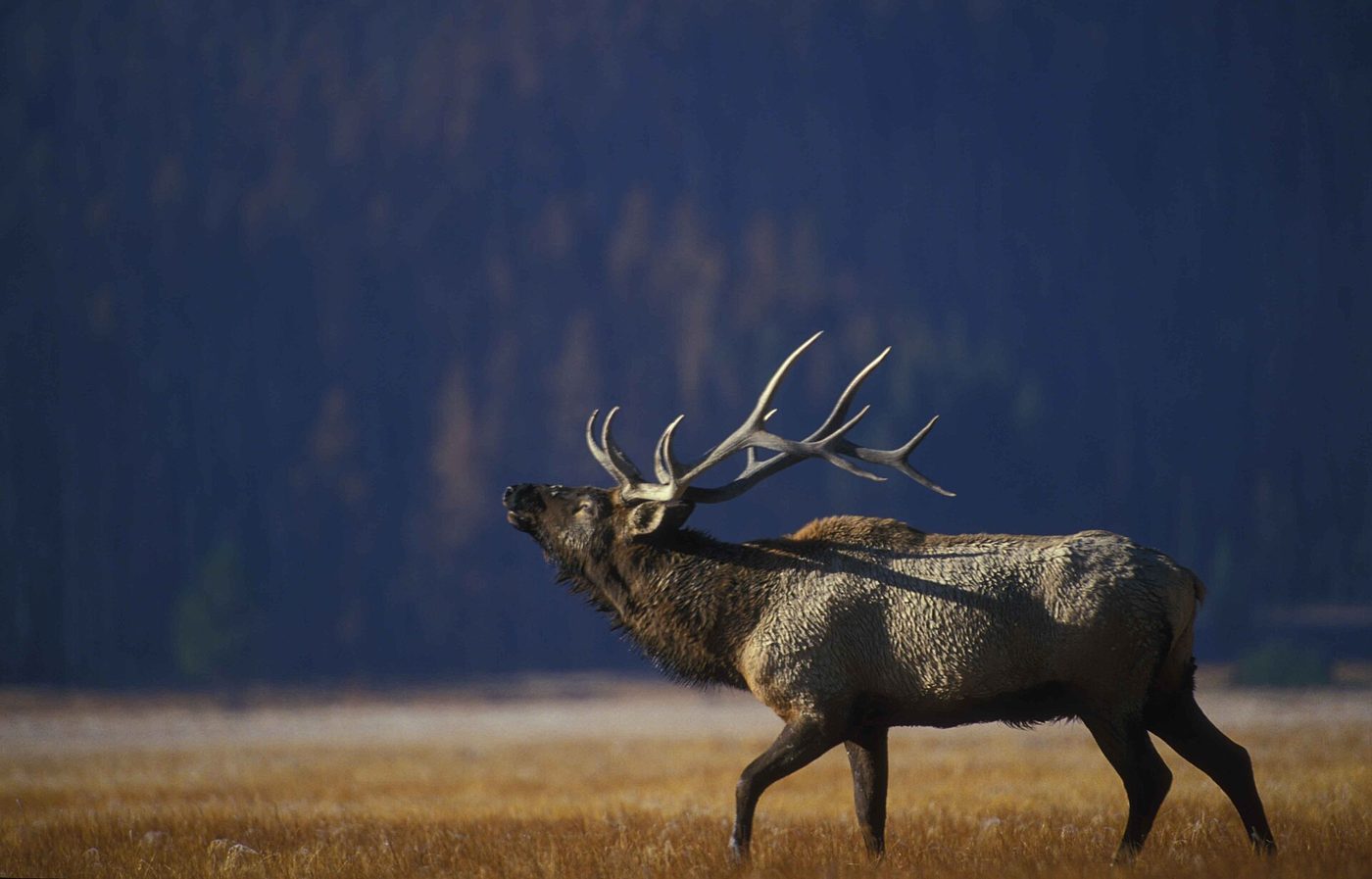
The elk rut september visitors travel for is dated by the National Park Service from early September to mid-October, and it is the single best wildlife spectacle in the park that does not require luck, a spotting scope or a 5 a.m. alarm. You can stand on a sidewalk in Mammoth at 6 p.m. and watch a 700-pound bull run off a rival.
Yellowstone holds 10,000 to 20,000 elk across six or seven herds in summer, and fewer than 2,000 that winter inside the park (NPS, checked September 2026). During the rut, bulls gather harems of cows and defend them loudly. The NPS describes the behaviour plainly: bulls bugle to announce their availability and fitness to females and to warn other bulls, and when two bulls respond to each other they crash their antlers together, push each other intensely, and wrestle for dominance. Those confrontations are loud and extremely strenuous, and rarely cause serious injury.
Where to go:
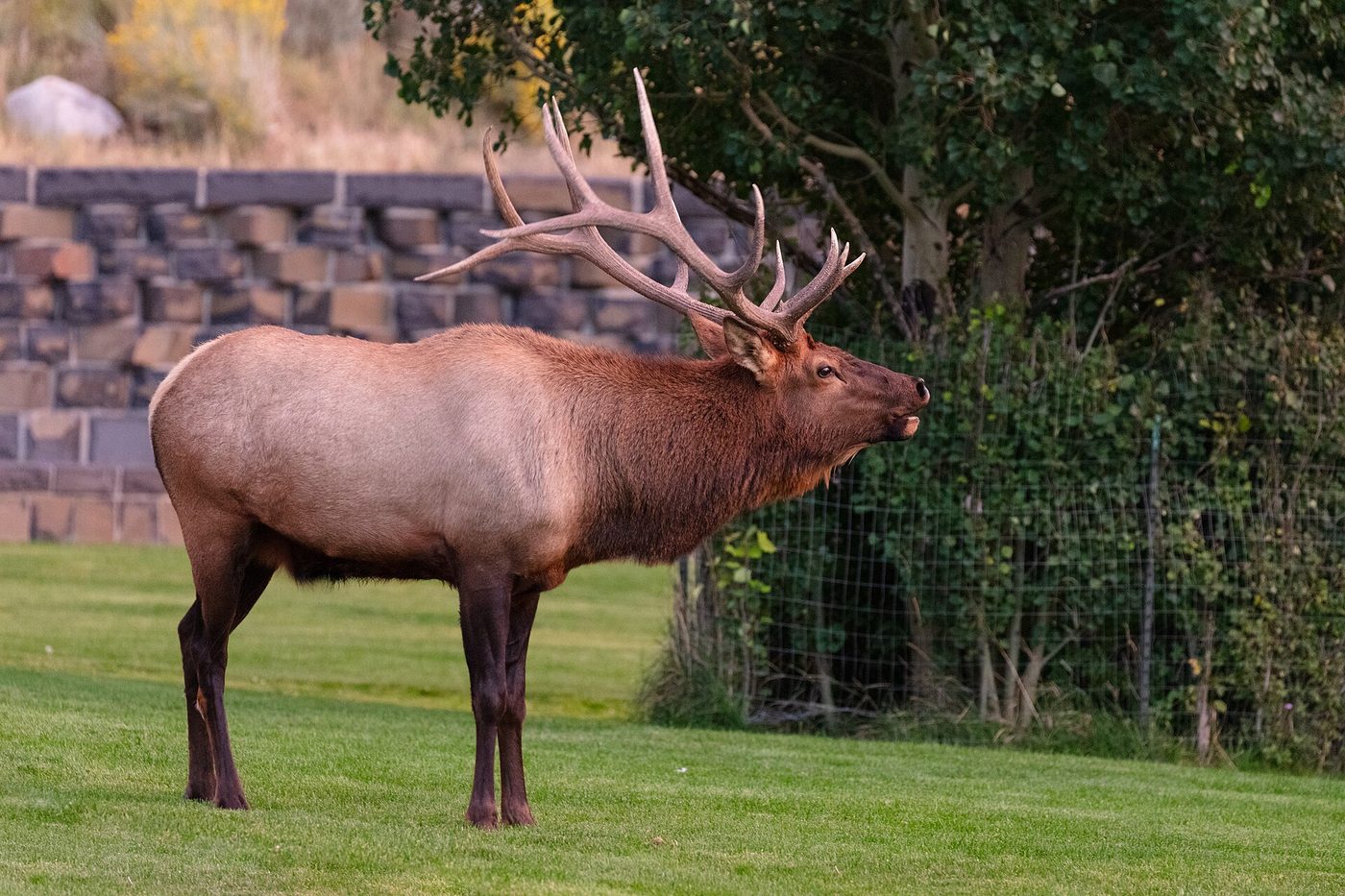
- Mammoth Hot Springs. The reliable one. Bulls bring harems onto the lawns of the historic Fort Yellowstone district and the terrace flats, sometimes within feet of the buildings. Rangers frequently cordon off sections of sidewalk. Best at dawn and in the last two hours of light.
- The northern range, Mammoth through Tower and into Lamar Valley. Bigger country, more scattered animals, better photographs without buildings in frame.
- The Madison River, between Madison Junction and the West Entrance. Bulls bugle from the meadows along the river; you can often hear them from the pullouts before you see anything.
The bugle is the reason to be there at first light. It carries a long way in cold, still air and sounds nothing like people expect — a rising whistle that breaks into a grunt, not a bellow.
One hard rule: rutting bulls are the most dangerous large animals most visitors will get near in September, precisely because they are in a town, look habituated and are running on adrenaline. The park requires 25 yards from elk and 100 yards from bears and wolves. A bull that raises its head, flattens its ears or steps toward you has already told you that you are too close. Read our wildlife and thermal safety rules before you go, and if you want the rut in depth, we have a dedicated page on the Yellowstone elk rut.
What else the wildlife is doing
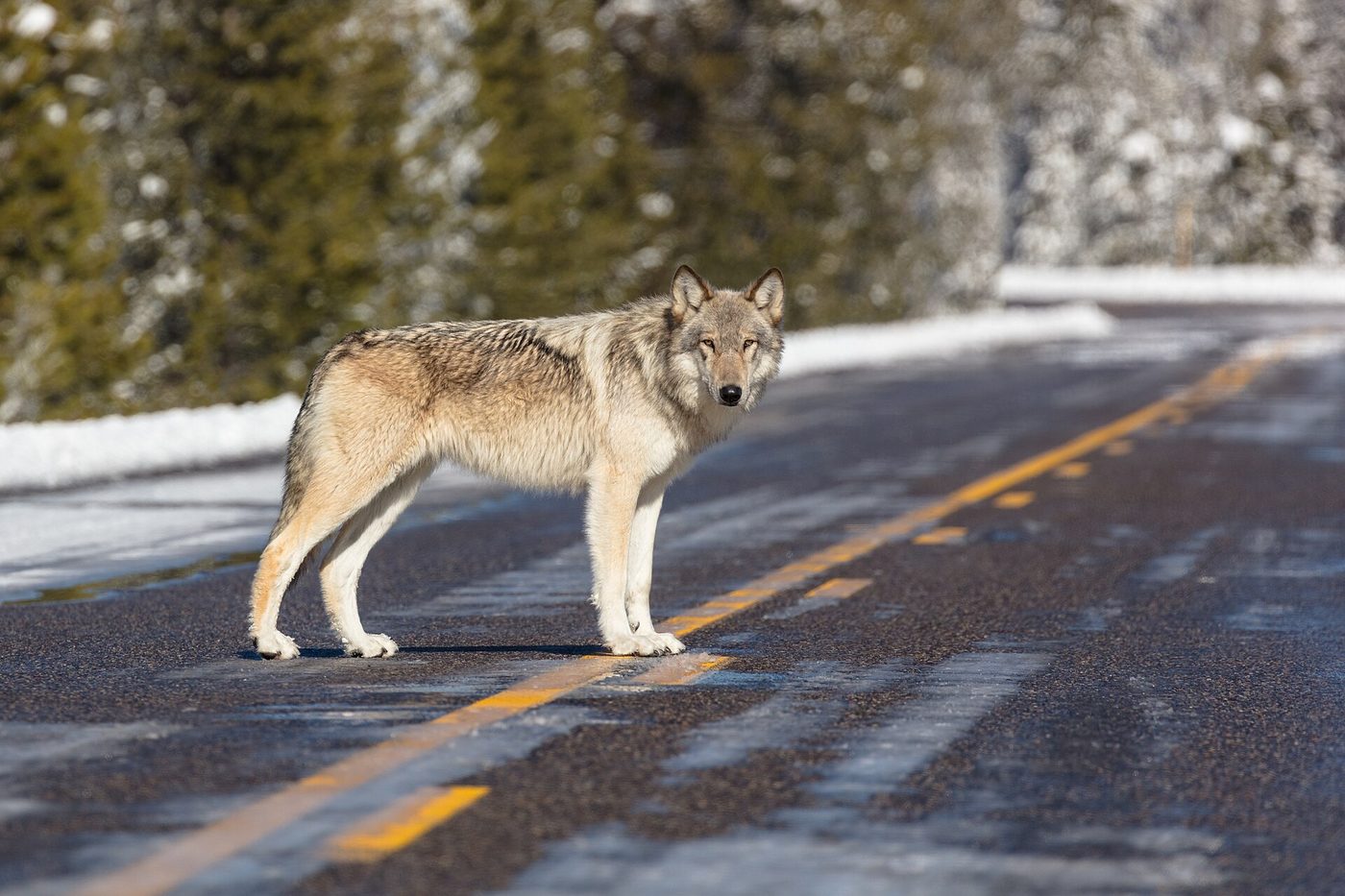
September is arguably the best wildlife month in the park, because three things overlap.
Bears are hyperphagic. In the weeks before denning, grizzlies and black bears feed close to around-the-clock, which pushes them into open, visible country — whitebark pine stands, berry slopes, carcass sites in the valleys. Dawn and dusk on the Dunraven road, in Hayden Valley and along the Lamar are the classic sightings. Carry bear spray, know how to use it, and keep it on your body rather than in the car.
Bison are finishing their own rut and moving. The bison rut peaks in late July and August, so by September the big bachelor groups are breaking up and herds are drifting toward winter range. Hayden and Lamar both hold animals all month.
Wolves become findable again. Cooler weather and elk activity bring wolves into the open in Lamar Valley more often than in midsummer. You still want a scope and a 6 a.m. start, and you should still expect to see nothing on any given morning.
Our Yellowstone wildlife guide covers the species in detail, and the best places to see wildlife in Yellowstone page ranks the valleys and pullouts. If wildlife is the whole point of the trip rather than a bonus, compare months on our wildlife timing calendar.
Are the roads open in Yellowstone in September?
Yes. Every seasonal road in the park is open for all of September in a normal year, including Dunraven Pass and the Beartooth Highway. The first scheduled closures came on 12 October in 2026 — Dunraven Pass, the Beartooth Highway and the Chief Joseph Scenic Byway — with most remaining segments closing 31 October (checked September 2026).
That full access is September’s biggest structural advantage over October. You can drive the entire Grand Loop, cross Dunraven for Mount Washburn and Tower Fall, take the Beartooth out to Red Lodge, and reach all five entrances, none of which is guaranteed a month later.
Two September caveats:
- Weather closures are short but real. A snow event can shut Dunraven or the Beartooth for a day. Check status the morning you plan to drive it rather than the night before.
- Construction persists. The Gardner River High Bridge on the North Entrance road ran single-lane with delays of up to 15 minutes, 24 hours a day, into late October 2026, and was closed to vehicles over 8 feet 6 inches wide or 75 feet long (checked September 2026). If you are towing anything substantial through Gardiner, plan an alternative entrance.
Opening and closing dates for every segment live on our Yellowstone road closures page, which is where we keep them current.
What closes during September
This is the part most September guides underplay. The park does not switch off on 30 September; it winds down through the month, and the closures land in a sequence that changes what a late-September trip can look like.
Roughly in order, for the 2026 season (checked September 2026):
- 6 September — Roosevelt Lodge and its cabins close for the season, taking the Old West Dinner Cookout and the stagecoach rides with them.
- 13 September — Bridge Bay Campground closes.
- 14 September — Indian Creek Campground closes.
- 19 September — Canyon Campground closes.
- 26 September — Grant Village Campground closes.
- 27 September — Tower Fall Campground closes.
- Early October — Lake Lodge Cabins and Old Faithful Lodge Cabins close; Canyon, Grant and Lake Hotel follow through mid-October.
What survives the whole month: Old Faithful Inn, Lake Yellowstone Hotel, Canyon Lodge, Grant Village and Mammoth Hot Springs Hotel on the lodging side; Madison, Slough Creek, Lewis Lake and Fishing Bridge RV Park on the camping side; Mammoth Campground year-round. Ranger programs thin out after Labor Day. Some backcountry trails and patrol cabins close earlier for bear management.
Because those dates shift year to year and between the NPS and Xanterra listings, we keep the authoritative versions on the owner pages: lodges, seasons and booking rules and the full campground table.
Where to stay, and how far ahead to book
September is not a walk-up month. In-park lodging books up to 13 months ahead — on the 5th of each month Xanterra releases the same month of the following year — and the September weeks go early because experienced visitors target them. If you are reading this with a September trip less than four months out and no reservation, assume you are staying in a gateway town and plan the driving accordingly.
The practical geography:
- West Yellowstone is the best base for the geyser basins and the most hotel rooms, about 30 minutes from Madison Junction.
- Gardiner is the base for the elk rut and the northern range, minutes from Mammoth, and the only entrance open to cars year-round.
- Cooke City puts you at the top of Lamar Valley, which is unbeatable for wolves and awkward for everything else.
- Cody and Jackson work if you are combining Yellowstone with the Bighorns or Grand Teton, but both add real driving to a park day.
Gateway rates soften noticeably after the second week of September, which is one of the month’s quieter financial advantages. In-park rates do not move much, because in-park demand does not really fall until the lodges start closing.
If you are camping, note that September is the month when the choice narrows fastest. Bridge Bay, Indian Creek, Canyon, Grant and Tower Fall all shut inside the month; Madison, Slough Creek, Lewis Lake and Fishing Bridge RV Park run into October; Mammoth Campground is open year-round and switches to first-come, first-served from 15 October. Reservations at the NPS-run sites open exactly six months before the date of your stay, so a late-September site goes on sale in late March. Nights below freezing are normal from mid-month, which matters more for tent campers than any of the dates above: a three-season bag rated to 30°F is not enough on a clear night in Lamar.
What there is to do in September that you cannot do in July
Three activities are genuinely better this month, and knowing which ones shapes the trip.
Hiking is at its best. Trails that were snowbound in June and dusty in August are dry, firm and cool. High routes like Mount Washburn, Avalanche Peak and the Bunsen Peak loop are open and comfortable, and the horseflies that make July miserable in the valleys have gone. The catch is daylight: sunset arrives around 7:30 p.m. early in the month and closer to 7 p.m. by the end, so a long hike needs an earlier start than summer habits suggest. Carry bear spray on every trail without exception — this is the season when bears are feeding hardest.
Fishing hits its stride. Water temperatures drop out of the stressed summer range, brown trout begin their pre-spawn movement, and the crowds on the popular stretches disappear. The general fishing season runs to the first Sunday in November on most park waters, and a Yellowstone fishing permit is required and is separate from your entrance fee. Our fishing and water guide covers permits, seasons and the rules on every drainage.
Photography gets easy. The sun rises late enough that you do not have to be out at 4:30 a.m. for first light, the low angle lasts longer, the steam from every thermal feature is dramatic in cold air, and animals are active during the hours you are actually awake. Late September light on the Lamar cottonwoods is the single best photographic combination in the park’s calendar.
What is winding down: ranger-led programs thin sharply after Labor Day, boat rentals and scenic cruises at Bridge Bay finish in mid-September, the horse rides at Roosevelt and Canyon end with their seasons, and the Old West Dinner Cookout stops when Roosevelt closes. Backcountry campsites remain open, but bear-management closures affect some areas in autumn, so check permits and closures before committing to a route.
What to pack for a September trip
Layers, and more of them than you think. The specific list:
- A real insulated jacket, not a fleece. You want to stand still at a Lamar pullout at 6 a.m. for 40 minutes without suffering.
- Waterproof shell, top and ideally bottom. September rain is cold rain.
- Hat and gloves. Non-negotiable for dawn wildlife watching, and the item people most often skip.
- Shoes with grip for frozen boardwalks and muddy trails.
- Bear spray, carried on your body. Rentals are available in the gateway towns from about $16 for one to two days (checked September 2026).
- Binoculars at minimum, a spotting scope if wildlife is the priority. Most of what you will see in Lamar is at 300 yards or more.
- Sunscreen and lip balm. High-altitude sun in thin cold air burns people who assumed September was safe.
- A full tank and a paper map. Cell service is poor to nonexistent across most of the park, and 24-hour card fuel exists at Canyon, Fishing Bridge, Grant, Mammoth, Old Faithful and Tower-Roosevelt.
Is September better than June?
For most travellers, yes. Both months offer moderate crowds and open roads, but September gives you warmer water temperatures for fishing, the elk rut, hyperphagic bears, dry trails and no mosquitoes. June gives you waterfalls at peak flow, bison calves and wildflowers, but also mud, snowbound high trails and late road openings.
The honest split: choose June if you want green meadows, maximum waterfall volume and baby animals. Choose September if you want wildlife activity, comfortable hiking, thin crowds and better light. If your trip is fixed to early September, you get most of both — the roads of summer and the beginnings of autumn.
Fall colour in September: manage your expectations
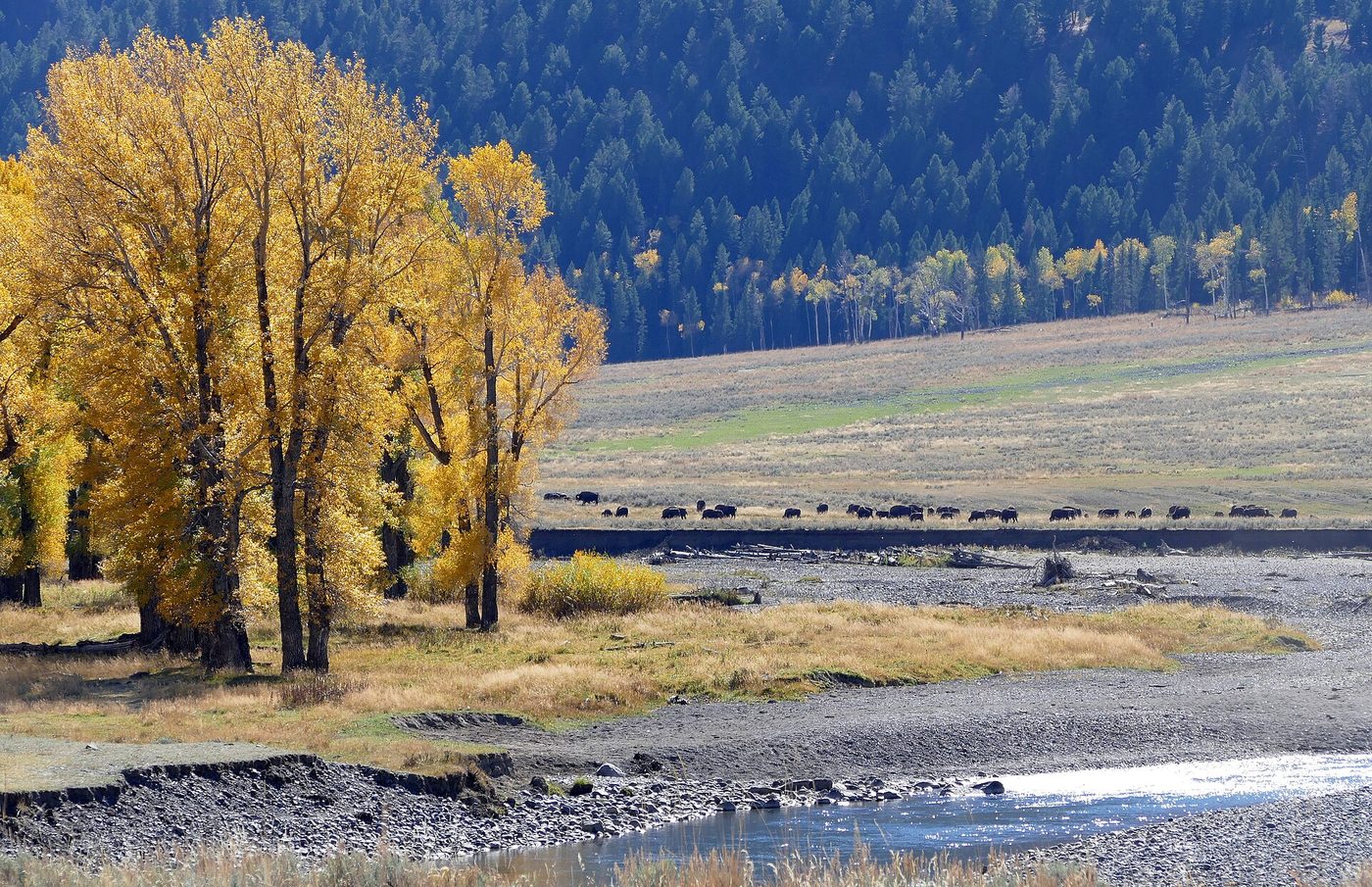
Yellowstone is not New England. The park is overwhelmingly lodgepole pine, so the autumn display is narrow bands of gold rather than whole hillsides of colour. What turns is aspen, cottonwood and willow, and it turns late — generally from around the third week of September at 7,000 feet and above, though this timing comes from secondary sources rather than an NPS publication, so treat it as a pattern rather than a promise.
Where it actually looks good: the cottonwood stands along the Lamar and Yellowstone rivers, the aspen groves around Mammoth and the North Entrance road, the willow flats at Willow Park south of Mammoth, and the grasses in Hayden Valley, which turn a deep tawny orange that photographs better than any tree in the park. The Gardiner-to-Mammoth corridor and the drive out to Cooke City are the two reliable colour drives.
If autumn colour is the reason for your trip rather than a bonus, late September into the first week of October is the window, and our Yellowstone in fall page covers the season as a whole.
Sample September itinerary: five days that use the month properly
This sequence is built around cold mornings and the rut, which is what separates a good September trip from a July trip taken in September.
Day 1 — Arrive Gardiner, evening at Mammoth. Check into Gardiner, then drive the five minutes to Mammoth for the last two hours of light. Bugling bulls on the Fort Yellowstone lawns. Walk the Lower Terraces after the crowd leaves.
Day 2 — Lamar Valley at dawn. Leave at 5:45 a.m. Park at a pullout between Slough Creek and the Lamar River bridge and stay put. Wolves, bears, bison. Back to Tower Fall mid-morning, over Dunraven Pass, Canyon rim in the afternoon.
Day 3 — Cross to Old Faithful. Canyon down through Hayden Valley at first light, Mud Volcano, West Thumb, then the Upper Geyser Basin in the afternoon when the light angles low through the steam. Overnight at Old Faithful or in West Yellowstone.
Day 4 — Geyser basins cold and early. Midway and Grand Prismatic at sunrise, when the steam is thickest and the overlook lot is empty. Norris late morning. Firehole Canyon Drive. Afternoon hike.
Day 5 — North again, or out. Madison River for elk along the water, then either back over to Mammoth for a second rut evening or out through the West Entrance.
Adapt the length to your own trip using our guide to how many days you need in Yellowstone, and if five days is more than you have, the three-day Yellowstone itinerary is the tighter version.
The principle behind the sequence matters more than the specific days. In September, the first and last 90 minutes of daylight are worth more than the entire middle of the day, because that is when the animals move and when the steam and the low light do their work. Build each day outward from a dawn position — a Lamar pullout, the Mammoth terraces, the Midway boardwalk — and treat the hours from 11 a.m. to 3 p.m. as driving, eating and walking time. Visitors who reverse that pattern see a quieter version of the July park and wonder what everyone is talking about.
Costs and fees in September
Entrance fees do not change by season. A private vehicle pays $35 for seven days, and since 1 January 2026 every non-US resident aged 16 and over pays a $100 nonresident fee on top of the standard entrance fee unless they hold an annual or America the Beautiful pass (checked September 2026). For an international family, that single change can dwarf every other line in the park budget, and the $250 nonresident America the Beautiful pass is often the cheaper route — particularly if Grand Teton is on the itinerary, since each park charges its own fee.
There was one fee-free day in September 2026, on the 17th, restricted to US citizens and residents. Our entrance fee page holds the full fee table, pass arithmetic and the nonresident rules, and is the page we keep current when the numbers move.
Put the pieces together and September’s case is simple. You get July’s roads, October’s quiet and a wildlife calendar neither of them can match, in exchange for cold mornings and a shrinking list of places to sleep. Book early, start before dawn, pack a real coat, and accept that the last week may hand you snow. If you are still weighing the month against the rest of the calendar, our guide to the best time to visit Yellowstone sets all twelve side by side, and October is the obvious next page to read if you are tempted to push the trip later.
Frequently asked questions
Is September a good time to visit Yellowstone?
Yes — for most travellers it is the best month. Every road is open, crowds fall sharply after Labor Day, the elk rut peaks, bears feed heavily in the open, and trails are dry. The cost is cold mornings, possible snow, and seasonal lodges and campgrounds closing through the month.
How cold does it get in Yellowstone in September?
The NPS gives a September average high of 67.8°F and average low of 37.0°F. In practice, expect frost most mornings from about the 10th, overnight temperatures in the twenties in the second half of the month, and daytime highs in the sixties in sun and the forties in cloud.
Does it snow in Yellowstone in September?
Often, at least once. Snow is possible any week of the month and likely in the final one, especially above 8,000 feet. It typically melts off the main loop roads within hours, but Dunraven Pass and the Beartooth Highway can close temporarily with no notice.
When is the elk rut in Yellowstone?
The National Park Service dates the elk rut from early September to mid-October, with the loudest activity through the middle of September. Mammoth Hot Springs is the most reliable place to see and hear it, followed by the northern range toward Lamar Valley and the Madison River meadows.
Are all the roads open in Yellowstone in September?
Yes, in a normal year. All seasonal roads including Dunraven Pass and the Beartooth Highway stay open through September. The first scheduled 2026 closures fell on 12 October, with most remaining segments closing 31 October. Short weather closures can still happen at high elevation.
Is early or late September better?
Late September is quieter, colder and better for the rut and autumn colour, but several campgrounds and Roosevelt Lodge have already closed. Early September is warmer with everything open, but Labor Day weekend and the following week still carry summer crowds. Mid-September splits the difference.
What should I book first for a September trip?
In-park lodging, as far ahead as you can — rooms release 13 months out and September fills early. After that, any guided wildlife tour or fishing day, then gateway hotels, which stay available longer and get cheaper after the second week of the month.
Sources
- National Park Service — Yellowstone weather, roads, fees, campgrounds and elk natural history, checked September 2026.
- National Park Service — park passes and the nonresident fee, checked September 2026.
- Yellowstone National Park Lodges (Xanterra) — lodging and campground seasons, checked September 2026.
- Recreation.gov — NPS-operated campground seasons and booking windows, checked September 2026.
- US Geological Survey — Yellowstone Volcano Observatory hydrothermal updates, checked September 2026.
Image credits
| Photo | Credit |
|---|---|
| The rut runs from early September into mid-October, and a bugling bull carries a long way (top of page) | YellowstoneNPS, public domain, via Wikimedia Commons |
| Bulls hold harems on the lawns of the old Fort Yellowstone buildings at Mammoth, feet from | Yellowstone National Park from Yellowstone NP, USA, public domain, via Wikimedia Commons |
| Weather arrives fast on the northern range | Jacob W. Frank, public domain, via Wikimedia Commons |
| Crowds thin after Labor Day everywhere except around the rut, which creates jams of its ow | Yellowstone National Park, public domain, via Wikimedia Commons |
| Gibbon Meadow and the Madison River meadows are the quieter alternative to the Mammoth cro | Bauer, Erwin and Peggy, U.S. Fish and Wildlife Service, public domain, via Wikimedia Commons |
| Cold weather brings wolves into the open | Jacob W. Frank, public domain, via Wikimedia Commons |
| Gardiner sits minutes from the rut, which makes it the best base for a northern-range trip | Yellowstone National Park, public domain, via Wikimedia Commons |
| The cottonwood stands along the Lamar and Yellowstone rivers carry most of the park’s autu | Yellowstone National Park from Yellowstone NP, USA, public domain, via Wikimedia Commons |
| Cold air over 200°F water is why the geyser basins photograph better in September than in | Frank Kovalchek from USA, CC BY 2.0, via Wikimedia Commons |