Yellowstone and Grand Teton sit next to each other in northwest Wyoming, joined by a short parkway, so seeing both in one trip is easy. Give yourself at least five days for a satisfying visit to both, spend most of that time in Yellowstone, and plan the route so you don’t drive the same road twice.
That last point is where most two-park trips go wrong. The parks look close on a map, and they are: from Jackson Lake Junction in Grand Teton to Yellowstone’s South Entrance is only about 25 to 30 miles. But Yellowstone itself is huge. Mammoth Hot Springs, in its northwest corner, is more than three hours’ drive from Jackson. Pick the wrong base or the wrong order and you spend your vacation behind a windshield.
This planner is built for people whose trip starts with Yellowstone and who want Grand Teton as part of it. It covers how far apart everything is, how many days you really need, whether to loop or go one way, which park to visit first, where to sleep, what in Grand Teton is worth your limited time, and then full itineraries from three days to eight. It finishes with the season, fees and 2026 construction details that change the plan.
If you’re only doing Yellowstone, our Yellowstone itinerary guide is the better starting point. If you haven’t picked an airport yet, start with how to get to Yellowstone, then come back here.
How far apart are Yellowstone and Grand Teton?
Very close. The two parks nearly touch, separated only by the John D. Rockefeller Jr. Memorial Parkway. From Jackson Lake Junction in northern Grand Teton to Yellowstone’s South Entrance is roughly 25 to 30 miles, about 35 to 40 minutes. From Jenny Lake to Old Faithful, allow about 1.5 to 2 hours.
The catch is that the famous parts of each park aren’t at the border. Grand Teton’s highlights are spread along a 40-mile-long valley south of the parkway, and Yellowstone’s are scattered across a plateau that runs another 60 miles north of its South Entrance. Here’s how the key pairs work out. Distances are approximate road miles, times are summer driving without stops, and both will grow with wildlife jams and construction (checked September 2026).
| From | To | Miles (approx.) | Drive time without stops |
|---|---|---|---|
| Jackson (town) | Craig Thomas Discovery and Visitor Center, Moose | 12 | 20-25 min |
| Jackson (town) | Jenny Lake | 20 | 35-40 min |
| Jackson (town) | Yellowstone South Entrance | 56 | 1 h 15 min |
| Jenny Lake | Colter Bay | 20 | 35 min |
| Colter Bay | Yellowstone South Entrance | about 20 | 30 min |
| Yellowstone South Entrance | West Thumb | 22 | 35-40 min |
| West Thumb | Old Faithful | 17 | 30-35 min |
| Jenny Lake | Old Faithful | about 75 | 1 h 30 min-2 h |
| Jackson (town) | Old Faithful | about 95 | 2 h-2 h 30 min |
| Jackson (town) | Grand Canyon of the Yellowstone (Canyon Village) | about 115 | 2 h 45 min-3 h |
| Jackson (town) | Mammoth Hot Springs | about 150 | 3 h 30 min-4 h |
| Jackson (town) | Lamar Valley | about 170 | 4 h+ |
| Jackson (town) | Bozeman (via Idaho, outside the parks) | about 220 | 4 h 30 min-5 h |
Two things follow from that table. First, Grand Teton pairs naturally with the southern half of Yellowstone, meaning West Thumb, Old Faithful and Yellowstone Lake. Second, Jackson is a fine base for Grand Teton and a poor base for Yellowstone, with any day trip to Mammoth or Lamar Valley turning into a seven- or eight-hour round trip before you’ve seen anything. Our distance between Yellowstone and Grand Teton guide has the full point-to-point table.
How many days do you need for Yellowstone and Grand Teton?
Plan on five to seven days: four or five in Yellowstone and one or two in Grand Teton. Three days lets you see highlights of both at a fast pace, but you’ll skip Mammoth and Lamar Valley. Eight days or more adds hiking, wildlife mornings and a slower rhythm that most people find much more enjoyable.
The split matters as much as the total. Yellowstone has roughly nine times the land area of Grand Teton, and its sights are spread across five distinct regions: the geyser basins, the canyon, the lake, the Mammoth area and the northern wildlife range. Grand Teton’s highlights are concentrated in one valley and can be seen in a very full day, though two days are far better if you want to hike or catch sunrise at more than one viewpoint.
| Trip length | Yellowstone days | Grand Teton days | What you’ll see | Honest verdict |
|---|---|---|---|---|
| 3 days | 2 | 1 | Grand Teton highlights, geyser basins, Canyon or Lake | Rushed. Skips the north of Yellowstone entirely |
| 4 days | 3 | 1 | Adds Canyon and Hayden Valley properly | Workable minimum for a first visit |
| 5 days | 3.5-4 | 1-1.5 | Adds Mammoth and Lamar Valley on a one-way route | The sweet spot for most people |
| 6 days | 4-4.5 | 1.5 | Adds a hike or a second wildlife morning | Comfortable |
| 7 days | 5 | 2 | All major sights plus hikes and time on Yellowstone Lake | Ideal for a first two-park trip |
| 8 days | 5.5-6 | 2-2.5 | Adds the Beartooth Highway or a deeper hiking day | Relaxed, with room for weather |
If you only have one or two days total, don’t try to combine them. Pick one park. If you’re based in Yellowstone and just want a taste of the Tetons, our Grand Teton day trip from Yellowstone plan shows how to do it without wrecking the rest of your schedule.
Loop or one-way: choosing the shape of your trip
Before you worry about daily plans, decide on the trip’s shape. There are three sensible options, and the right one depends mostly on where you fly in.
1. One-way, Bozeman to Jackson (or Jackson to Bozeman). Fly into Bozeman, enter Yellowstone at the North or West Entrance, work your way south through the park, cross into Grand Teton and fly home from Jackson. You never backtrack. The costs are a one-way rental drop fee, which varies a lot between companies and sometimes disappears, and possibly a pricier return flight from Jackson. For five days or more, this is usually the best option.
2. Loop from Jackson. Fly into and out of Jackson Hole Airport, which sits inside Grand Teton. You start and end in the Tetons, and you’ll spend long drives getting to northern Yellowstone. It’s efficient for three- or four-day trips focused on the southern half of Yellowstone. For longer trips it works if you sleep inside Yellowstone rather than returning to Jackson.
3. Loop from Salt Lake City (or Idaho Falls). Often the cheapest flights and rentals. Drive north through Idaho to West Yellowstone (about 5 to 6 hours from Salt Lake), work through Yellowstone, exit south through Grand Teton and Jackson, then drive back to Salt Lake (about 4.5 to 5 hours). Idaho Falls shortens both drives considerably.
A fourth option, looping from Bozeman, forces you to backtrack through all of Yellowstone to reach the Tetons and back. It only makes sense if Grand Teton is a short add-on, not a real part of the trip.
The open-jaw rental math. Before dismissing a one-way rental because of the drop fee, compare it with what backtracking costs: a half-day of driving, an extra night of lodging and fuel for 150 to 250 extra miles. For a five-day trip, the one-way route often wins even with a significant fee. Price both at the same time you price flights. Our best airport for Yellowstone and Grand Teton guide compares combinations in more detail.
Should you visit Yellowstone or Grand Teton first?
Visit whichever park is closer to your arrival airport. From Bozeman or West Yellowstone, start in Yellowstone and finish in Grand Teton. From Jackson, start in Grand Teton. In late spring, consider ending in Yellowstone, since some of its roads and lodges open later than Grand Teton’s valley floor.
There are a few subtler reasons to choose an order:
- Ending on a calm note. Many people prefer finishing in Grand Teton. After days of boardwalks, crowds and long drives in Yellowstone, a morning at Schwabacher Landing and an easy hike around Jenny Lake feels like a reward.
- Weather and light. The Tetons face east, so the classic mountain photos from Mormon Row, Schwabacher Landing and Oxbow Bend are best at sunrise. Put at least one Grand Teton night in your plan so you can be there at dawn, whichever order you choose.
- Seasonal openings. Yellowstone’s interior roads and lodges open in stages from mid-April through late May, with Dunraven Pass last. If you’re traveling in May, finishing your trip in Yellowstone gives its roads more time to open. In late September and October, do the reverse: Yellowstone lodges and Dunraven Pass close first, so see Yellowstone early.
- Fall aspens. Grand Teton’s aspen and cottonwood colors usually peak in late September to early October. On a fall trip, save the Tetons for the end when the color is likely to be further along.
Still unsure which park deserves more of your time? Our Yellowstone vs Grand Teton comparison sets them side by side.
Where to base yourself
Moving hotels every one or two nights is the price of seeing both parks well. It’s worth it. Each base below is chosen for what’s within an hour’s drive at dawn, which is when the wildlife and the light are best.
| Base | Best for | Distance to key sights | Season | Verdict |
|---|---|---|---|---|
| Jackson (town) | Grand Teton south end, restaurants, arrivals and departures | Moose 12 mi; Jenny Lake 20 mi; Old Faithful about 95 mi | Year-round | Great for Grand Teton; poor for Yellowstone |
| Jackson Lake Lodge, Signal Mountain or Colter Bay | Oxbow Bend, Jackson Lake, the drive into Yellowstone | Oxbow Bend under 2 mi (Jackson Lake Lodge); South Entrance about 20-25 mi | Roughly mid-May to early October | The best bridge between the two parks |
| Headwaters Lodge at Flagg Ranch | Transition night between parks | South Entrance about 2 mi | Summer | Convenient, not scenic |
| Grant Village or Lake Village (Yellowstone) | West Thumb, Yellowstone Lake, first night from the south | Old Faithful 19-38 mi; Hayden Valley from Lake 10-15 mi | Late May to early October | Solid; Lake Village is better placed |
| Old Faithful (Yellowstone) | Geyser basins, evening eruptions | Grand Prismatic 8 mi | May to mid-October | Best night in Yellowstone if you can book it |
| Canyon Village (Yellowstone) | Grand Canyon of the Yellowstone, Hayden Valley, Norris | Central to everything | Mid-May to early October | The most central base in the park |
| Gardiner or Mammoth (Yellowstone) | Mammoth terraces, Lamar Valley at dawn | Lamar Valley about 1 hour | Year-round | Essential for wildlife mornings |
| West Yellowstone | Geysers, cheaper lodging | Old Faithful 30 mi | Year-round | Good on a Salt Lake City or West Yellowstone loop |
Booking reality. Yellowstone’s in-park lodges book months, often a year, ahead, with rooms released on the 5th of each month for the same month of the following year (checked September 2026). Grand Teton’s lodges are run by different companies with their own booking windows. Jackson Lake Lodge, Jenny Lake Lodge and Signal Mountain Lodge all book up fast for July and August. If in-park rooms are gone, Jackson has the most rooms for Grand Teton, and Gardiner and West Yellowstone fill the gaps for Yellowstone. For Yellowstone’s lodge-by-lodge details see lodging in Yellowstone National Park; for the combined picture see where to stay for Yellowstone and Grand Teton; and for the town itself see Jackson Hole hotels near Yellowstone.
Camping. Grand Teton’s 2026 campground seasons ran from late April (Gros Ventre) to mid-October (Signal Mountain), with Jenny Lake open May 2 to September 27 (checked September 2026). Yellowstone’s campground rules, sites and booking windows are covered in our camping in Yellowstone guide. Note that several Yellowstone campgrounds move to Recreation.gov bookings from the 2027 season.
How to split your nights
The table above lists every base; this is how they combine in practice. The rule of thumb is simple: sleep near whatever you want to see at dawn the next morning.
| Trip length | Suggested nights | Why it works |
|---|---|---|
| 3 days | Jackson Lake area (1), Old Faithful or West Yellowstone (1), Jackson (1) | One Teton sunrise, one evening eruption, short final drive |
| 4 days | Jackson Lake area (1), Old Faithful (1), Canyon (1), Jackson (1) | Canyon night turns Hayden Valley dawn into an easy start |
| 5 days, one-way | Gardiner (1), Canyon (1), Old Faithful (1), Jackson Lake area (1), fly out | Moves steadily south, never backtracks |
| 7 days, one-way | Gardiner (2), Canyon (1), Old Faithful (1), Lake (1), Jackson Lake area (1), Jackson (1) | Two Lamar dawns, one Teton dawn, a relaxed last night |
| 8 days | As 7 days, plus Cooke City or a second Grand Teton night | Room for the Beartooth or a long hike |
Jackson or the Jackson Lake area? Jackson has far more rooms, restaurants and shops, and it’s closer to the airport, Mormon Row and Schwabacher Landing. The Jackson Lake area (Jackson Lake Lodge, Signal Mountain Lodge, Colter Bay) puts you beside Oxbow Bend and Willow Flats, 30 to 40 minutes closer to Yellowstone, and in the park after the day visitors leave. On a two-park trip, the Jackson Lake area is usually the better night between the parks, and Jackson is the better last night before an early flight. If you can only book one, pick by direction: coming from Yellowstone, stay near Jackson Lake; heading into Yellowstone the next morning, the same applies.
Hotel changes are less painful than they sound. Pack a small overnight bag for each short stay so the main luggage can stay in the car. Check-in at most in-park lodges is mid-afternoon, which lines up nicely with the midday lull, when wildlife is quiet and the light is flat anyway.
Grand Teton for Yellowstone visitors: what’s worth your time
Grand Teton National Park covers about 310,000 acres, with the jagged Teton Range rising more than 7,000 feet straight up from the valley floor to the 13,775-foot Grand Teton. There are no geysers, but the mountain scenery is more dramatic than anything in Yellowstone. On a tight schedule, focus on the viewpoints, one lake and one short hike. Here’s what’s worth it and what you can skip. The full list lives in our things to do in Grand Teton guide.
Jenny Lake: the one place not to skip
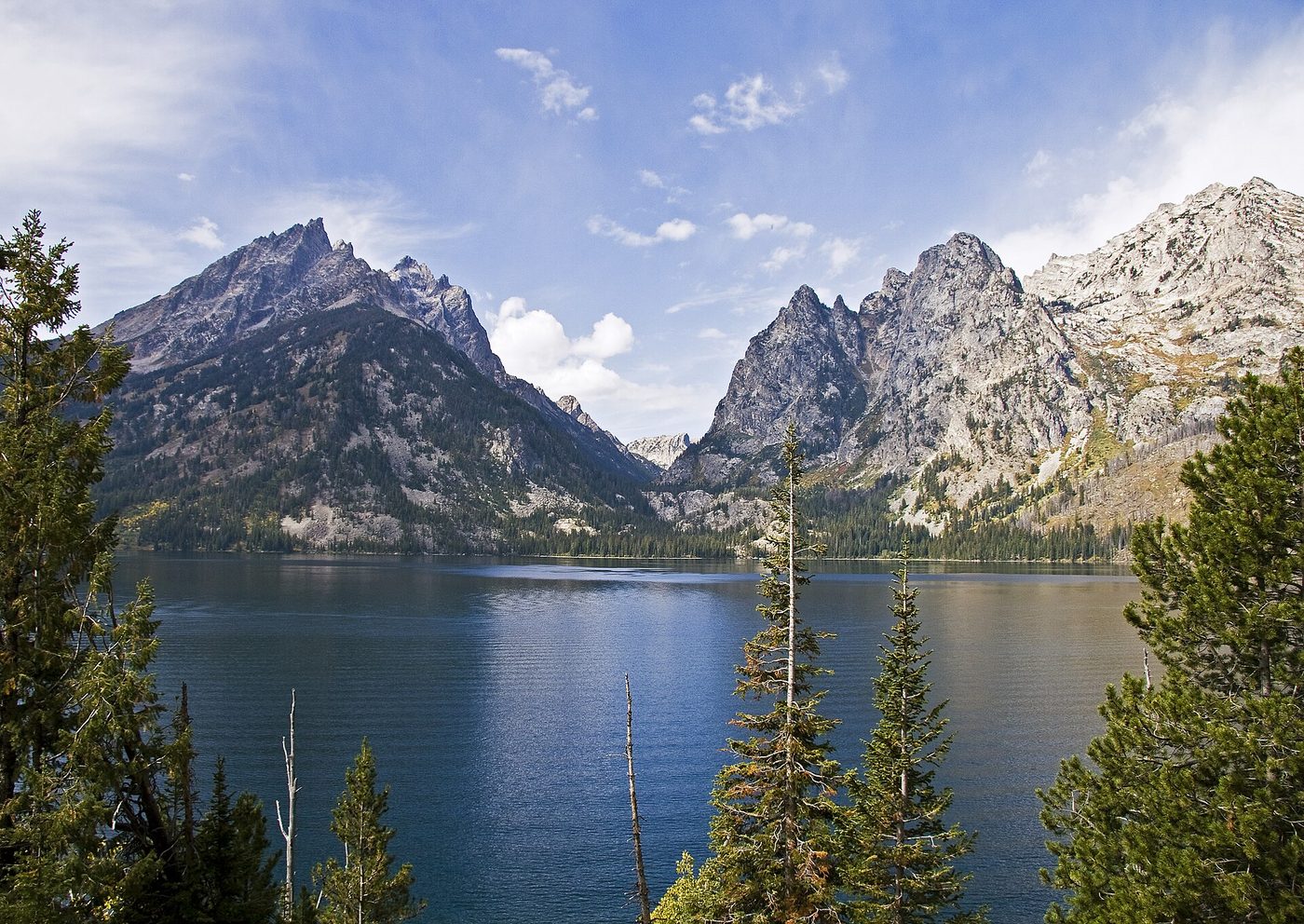
Jenny Lake sits at the foot of the range, with Cascade Canyon splitting the peaks behind it. The Jenny Lake boat shuttle crosses the lake to the west shore, where a short, steep trail climbs to Hidden Falls and then Inspiration Point. It’s the single most popular hike in the park and genuinely deserves it. The shuttle ran May 15 to September 30 in 2026, with the season depending on ice (checked September 2026).
How to do it well: arrive at the South Jenny Lake parking area before about 8:30 a.m. in summer, because the lot fills. Take the boat across, climb to Inspiration Point, and either take the boat back or walk the lakeshore trail around the south end. If you have more time and energy, continue up into Cascade Canyon, where moose are common and the crowds thin out fast.
Verdict: worth every minute. If you do one thing in Grand Teton, do this.
The sunrise viewpoints: Mormon Row, Schwabacher Landing and Oxbow Bend
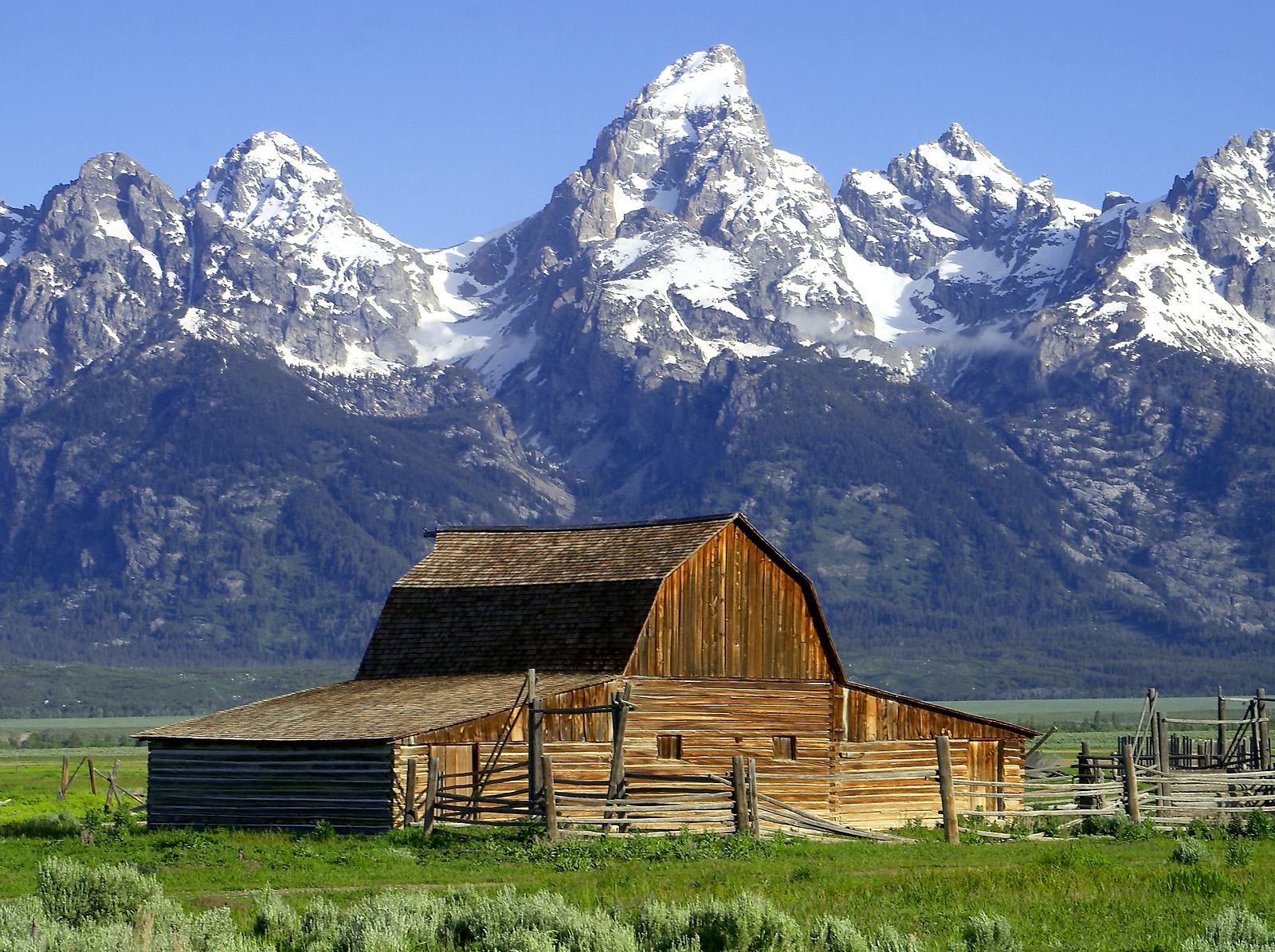
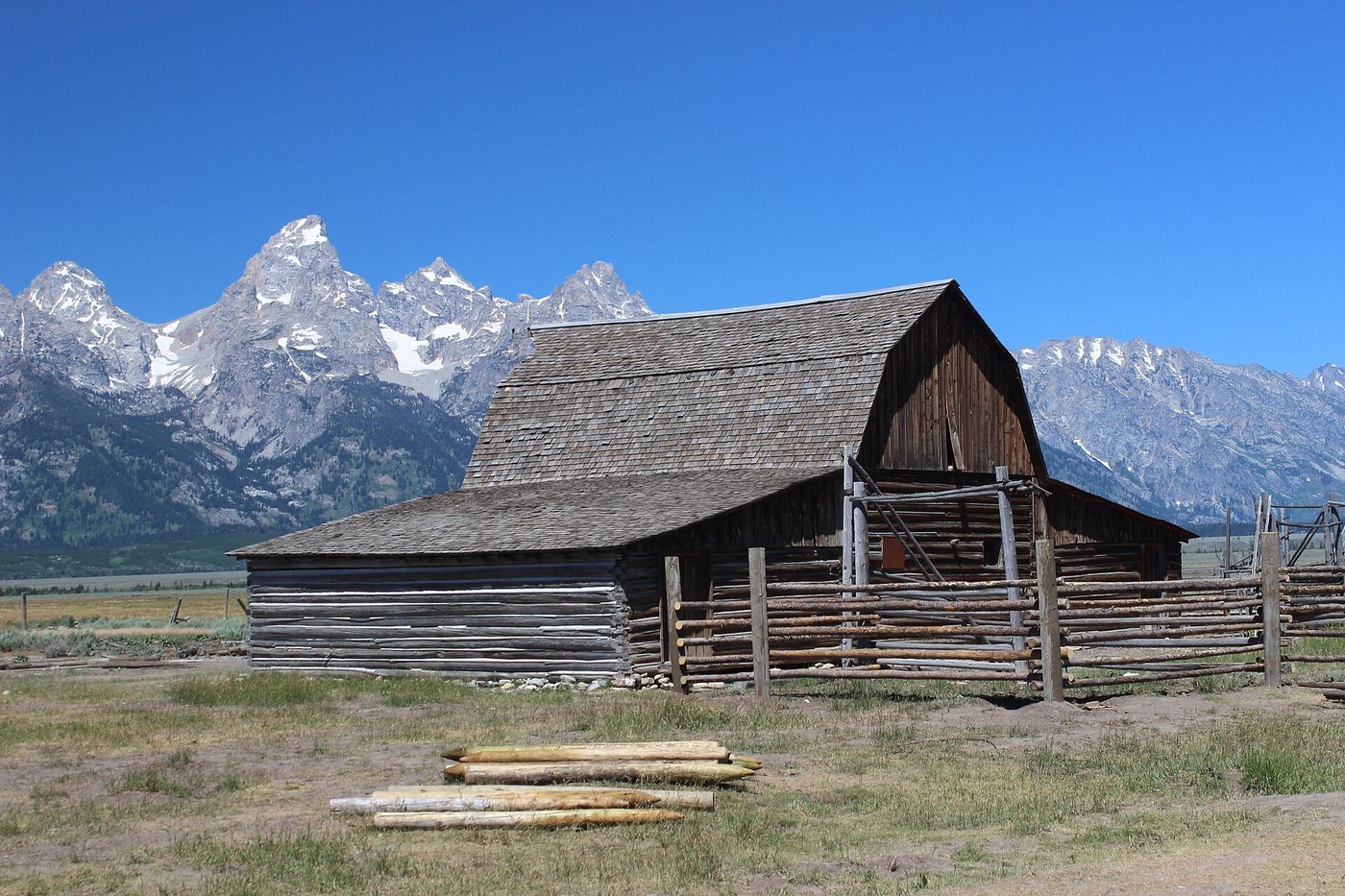
Mormon Row is a line of homesteads from the late 1800s and early 1900s on Antelope Flats, east of US-191. The T.A. Moulton Barn, with the Tetons rising behind it, is one of the most photographed buildings in the national park system. Go at sunrise, when the peaks turn pink and bison often graze nearby. In 2026, some buildings were closed during construction but the district remained open (checked September 2026).
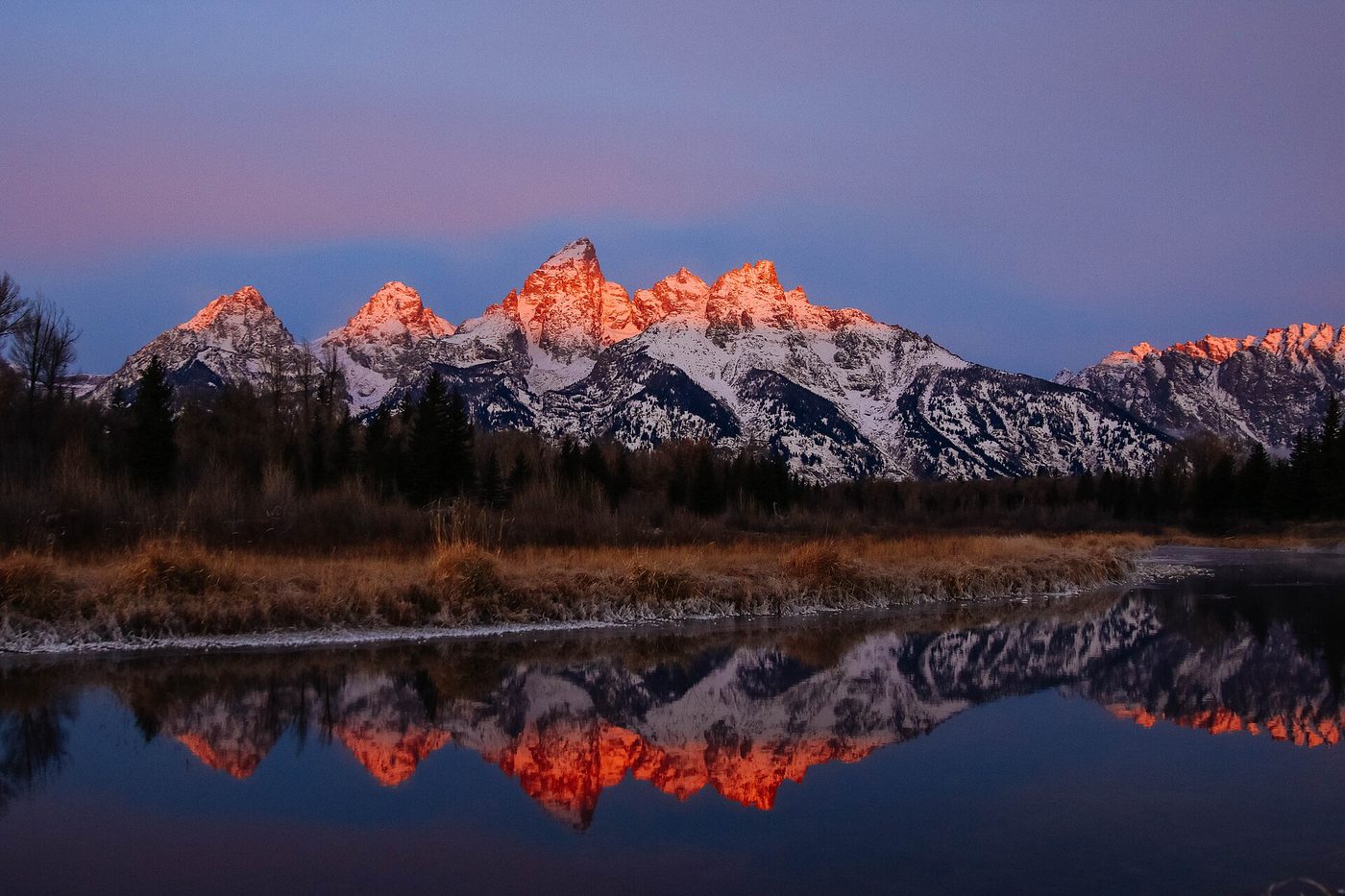
Schwabacher Landing is a short gravel road down to beaver ponds on the Snake River, where the Tetons reflect in still water. On a calm morning, it’s spectacular. On a windy one, it’s just nice. The road usually closes in winter.
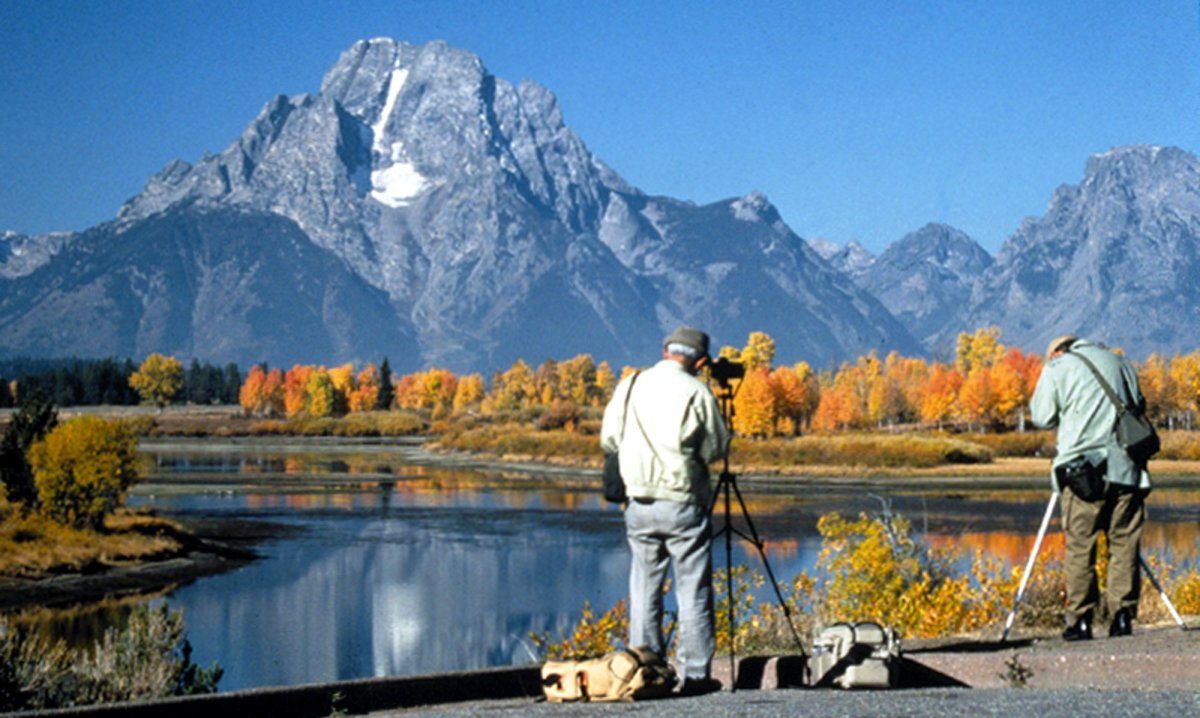
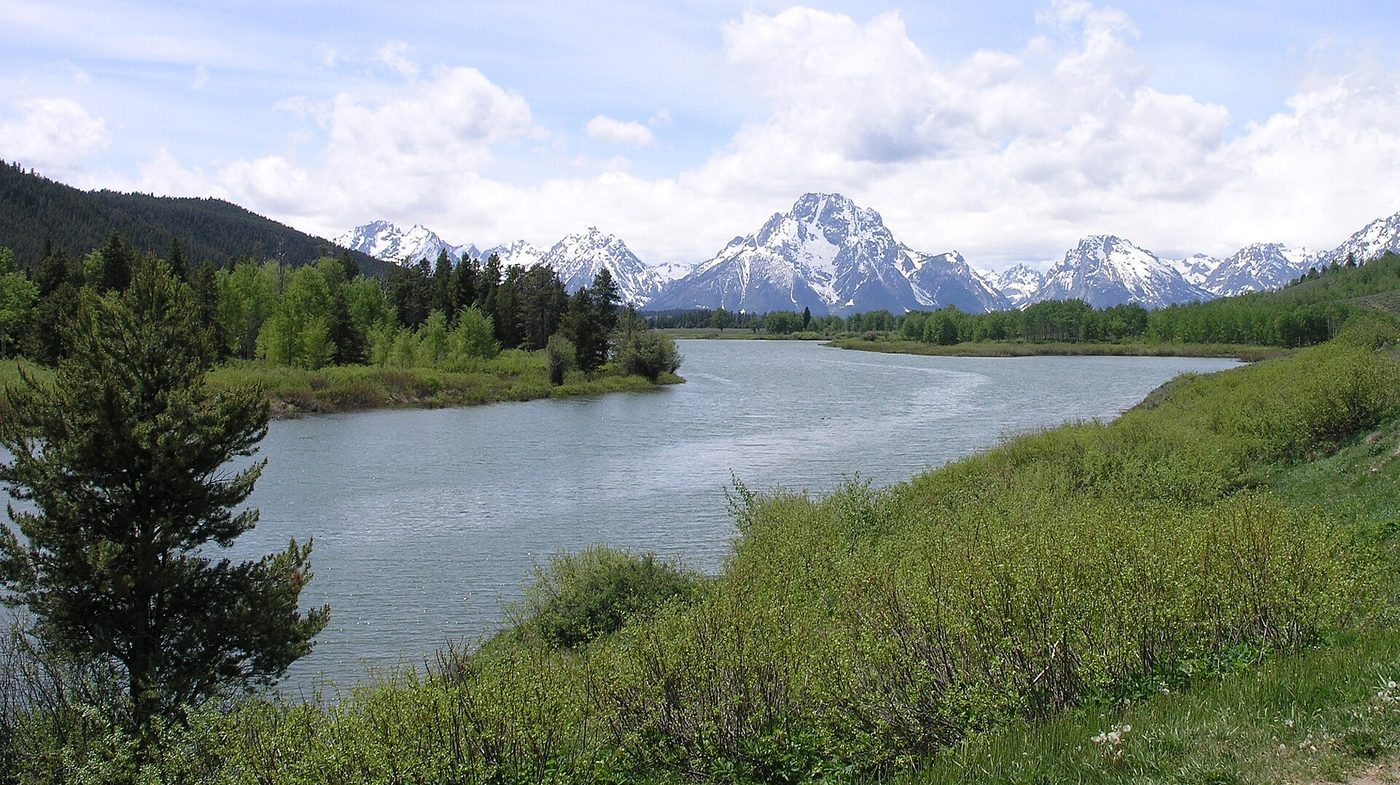
Oxbow Bend, about a mile east of Jackson Lake Junction, is a slow bend in the Snake River with Mount Moran behind it. It’s a wildlife hotspot, with moose, elk, otters, pelicans and the occasional bear, and it’s at its best in the soft light of early morning or on a fall evening when the aspens turn gold. It’s also the Grand Teton viewpoint closest to Yellowstone, so it’s easy to fit in.
Verdict: pick at least one for sunrise. Mormon Row and Schwabacher Landing are close enough together (about 10 minutes apart) to do both on the same morning.
Timing the light
The Tetons rise on the west side of the valley, so the peaks catch direct sunlight first thing in the morning and fall into silhouette in the evening. In practice:
- Sunrise to about an hour after: the best time for almost every classic Teton view. Arrive 20 to 30 minutes before sunrise to find a spot at Mormon Row or Schwabacher Landing in summer, when photographers line the banks.
- Mid-morning to mid-afternoon: flat, hazy light on the peaks. Use it for Jenny Lake, hiking and driving.
- Late afternoon and evening: the mountains are backlit, but Oxbow Bend, Willow Flats and the Snake River Overlook still work well, and wildlife becomes more active.
- Smoke days: wildfire smoke from across the West can hide the range entirely in late summer. If the mountains vanish, switch to Yellowstone’s geysers, which look just as good in haze, and come back to the Tetons later in your trip if you can.
A clear, calm sunrise isn’t guaranteed. That’s the strongest argument for spending two nights near Grand Teton rather than one.
Signal Mountain Summit Road
A narrow 5-mile road climbs Signal Mountain from Teton Park Road to two overlooks, one with a sweeping view of Jackson Hole and the Snake River, the other facing the Teton Range across Jackson Lake. Trailers and large RVs aren’t allowed. Verdict: worth the 45 minutes on a clear day, especially near sunset. Skip it in thick smoke or low cloud.
Teton Park Road and the scenic loop
Teton Park Road runs from Moose north along the base of the mountains past Jenny Lake to Jackson Lake Junction. Combined with US-89/191 back south through the open sagebrush flats, it makes a scenic loop of roughly 40 miles, the natural backbone of any Grand Teton day. Stop at the turnouts: the Teton Glacier turnout, the Cathedral Group turnout and the Mount Moran turnout are all quick and worthwhile. The Snake River Overlook on the highway, where Ansel Adams took his famous 1942 photograph, is five minutes well spent (though trees have grown up since his day). Our Grand Teton scenic drive guide runs the loop stop by stop.
Note that Teton Park Road closes to cars through winter, between Taggart Lake trailhead and Signal Mountain Lodge, and reopens in spring. Check our Grand Teton road closures guide for current dates.
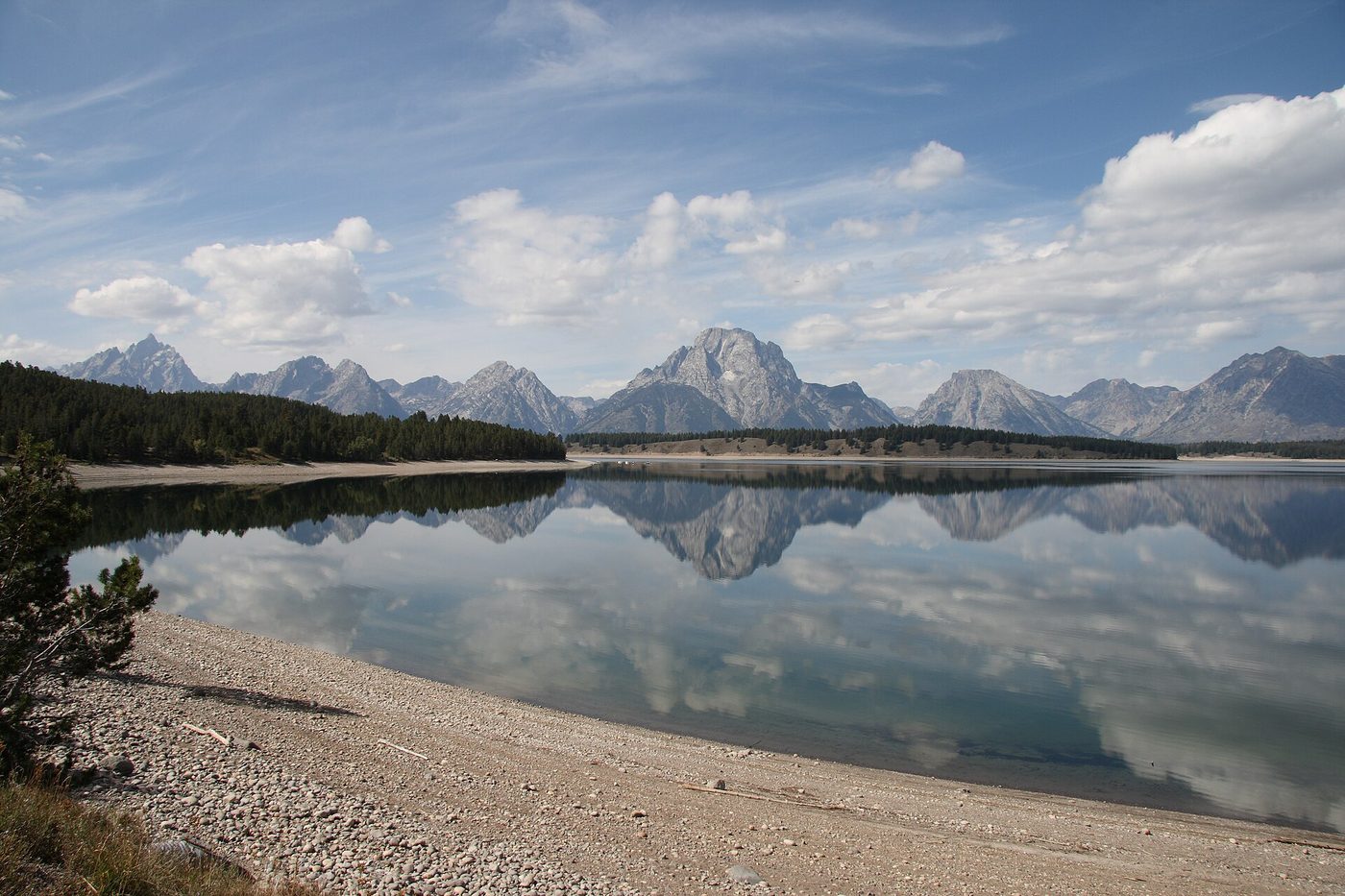
Jackson Lake and Colter Bay
Jackson Lake is a natural lake enlarged by a dam, and it’s about 15 miles long, with Mount Moran rising directly from its western shore. Colter Bay Village has a visitor center (open May 8 to September 30 in 2026), a marina, cabins, a campground and the easy Lakeshore Trail. Jackson Lake Lodge’s picture windows face the Tetons across Willow Flats, a moose haunt, and are worth a stop for a coffee even if you’re not staying.
In September 2026, the Signal Mountain and Colter Bay marinas and the Signal Mountain boat ramp were closed, with only the Leeks marina and boat ramp fully open (checked September 2026). If a lake cruise or boat rental is part of your plan, confirm it before booking.
Wildlife in Grand Teton compared with Yellowstone
Both parks share the same animals, but where and how you see them differs.
- Moose are more reliably seen in Grand Teton than in Yellowstone. Look for them in the willows at Willow Flats, along the Snake River near Oxbow Bend, around String Lake and in Cascade Canyon. With the Moose-Wilson Road closed in 2026, these are your best bets.
- Bison graze Antelope Flats near Mormon Row and the sagebrush flats along US-191, but herds are far larger in Yellowstone’s Hayden and Lamar valleys.
- Pronghorn are common on the open flats in both parks in summer.
- Elk are everywhere in both parks. In winter, thousands gather on the National Elk Refuge just north of Jackson.
- Grizzly and black bears are seen in both parks, often along roadsides, and grizzlies are increasingly common in northern Grand Teton. Keep your distance and never approach a bear for a photo.
- Wolves are Yellowstone’s specialty. Lamar Valley at dawn is the best place in the lower 48 states to see them, and they’re rarely seen in Grand Teton.
If wildlife is your main goal, give more days to Yellowstone’s northern range and use Grand Teton for moose and scenery. Our Yellowstone wildlife guide explains where and when to look.
Hikes worth your time
- Hidden Falls and Inspiration Point via the Jenny Lake boat: the classic, as above.
- String Lake and Leigh Lake: flat, easy walking along crystal-clear lakes beneath the peaks. Ideal for families.
- Taggart Lake: a moderate 3-mile round trip to a lake beneath the Grand Teton. In 2026 the trailhead and trail were only partially open because of construction (checked September 2026).
- Cascade Canyon: a longer day beyond Inspiration Point, with great odds of seeing moose.
For bear safety on any of these, bring bear spray and know how to use it. Our Yellowstone safety guide covers the essentials, and the same principles apply in Grand Teton.
What you can skip on a short trip
- The Chapel of the Transfiguration and Menor’s Ferry near Moose. Lovely and historic, but lower priority. Stop only if you’re passing.
- The Jackson Hole Aerial Tram at Teton Village (outside the park; open May 16 to October 4 in 2026). A great ride with a big summit view, but it takes half a day with the drive, and the park itself has better views of the Tetons. Worth it only if you have spare time or a strong interest in mountain summits.
- The Moose-Wilson Road. Normally a favorite for moose sightings, but in 2026 it was closed to all use (checked September 2026).
- Long drives just to see moose. Moose are unpredictable. Keep an eye out at Oxbow Bend, Willow Flats and along the Gros Ventre River rather than building a day around them.
The John D. Rockefeller Jr. Memorial Parkway: the land between the parks
The drive between the parks crosses a strip of land you might not realize is protected: the John D. Rockefeller Jr. Memorial Parkway. Congress designated its 24,000 acres in 1972, and it’s managed by Grand Teton National Park. It honors John D. Rockefeller Jr., who bought much of the land that later became part of Grand Teton and donated it to the nation.
The parkway contains Flagg Ranch, with Headwaters Lodge, a campground and a gas station, and the start of Grassy Lake Road, a rough gravel road that heads west toward Ashton, Idaho. The Snake River runs through it, and the forest shows scars from the 1988 fires.
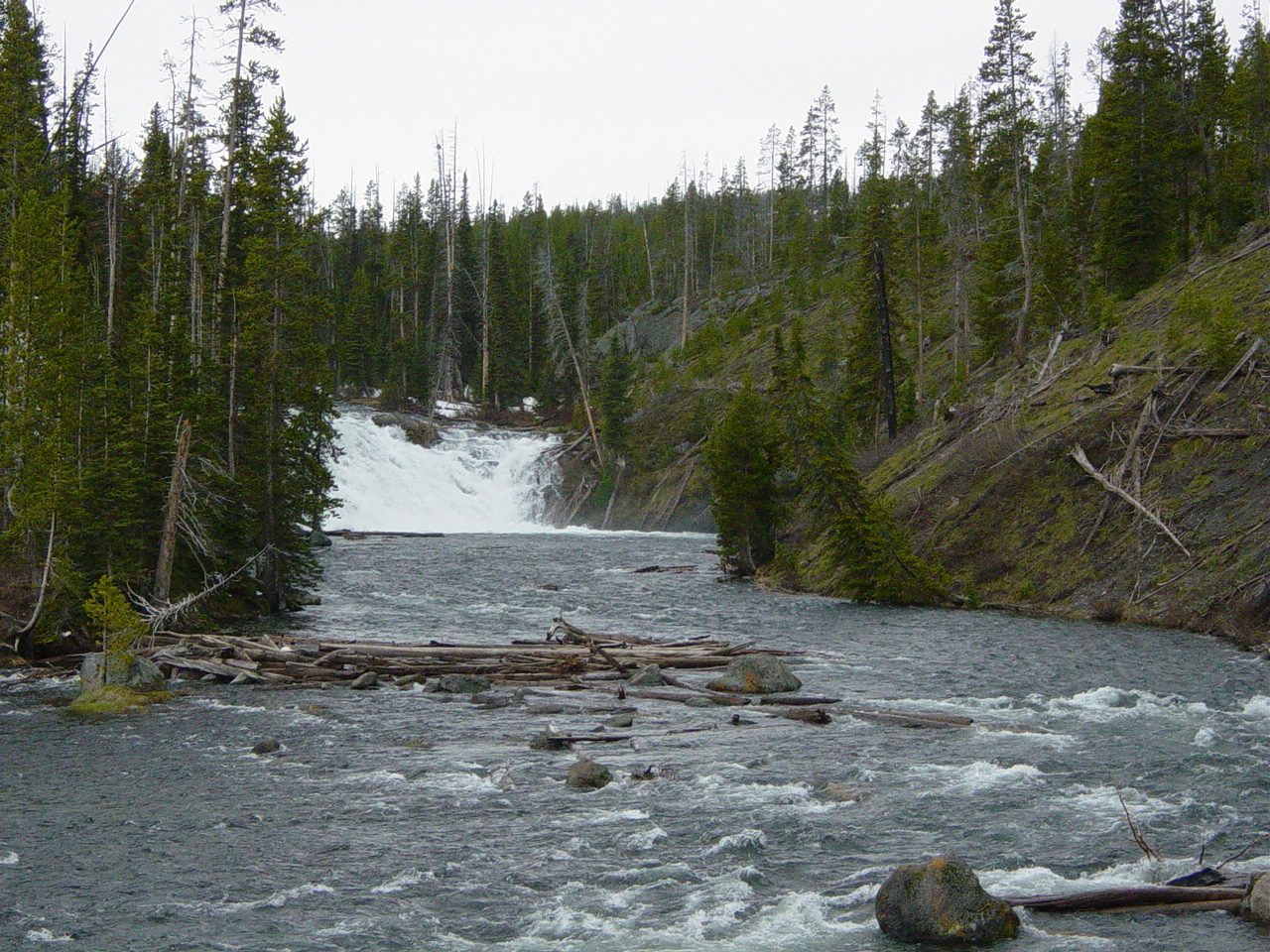
Is it worth stopping? For most visitors, not for long. It’s a transition zone, pretty but not headline scenery. Use Flagg Ranch for fuel, a restroom or a night’s sleep if the location suits your route. If you have time just inside Yellowstone, Lewis Falls, about 10 miles north of the South Entrance, is a quick roadside stop worth a few minutes. Our John D. Rockefeller Jr. Memorial Parkway guide covers the parkway in full.
Entrance fee note: there’s no entrance station on the parkway itself, but you’ll pay at Yellowstone’s South Entrance heading north, and at a Grand Teton entrance station going south if you enter via Moose or Moran. More on fees below.
Yellowstone highlights to fit into a two-park trip
The itineraries below assume you want the headline sights of Yellowstone. Here’s a quick summary of what each region offers and how long to allow, with links to our full guides.
- Upper Geyser Basin and Old Faithful: Old Faithful erupts on a median interval of about 102 minutes, give or take 10 minutes, with predictions posted at the visitor education center (checked September 2026). Allow half a day to walk the basin to Morning Glory Pool. See Old Faithful.
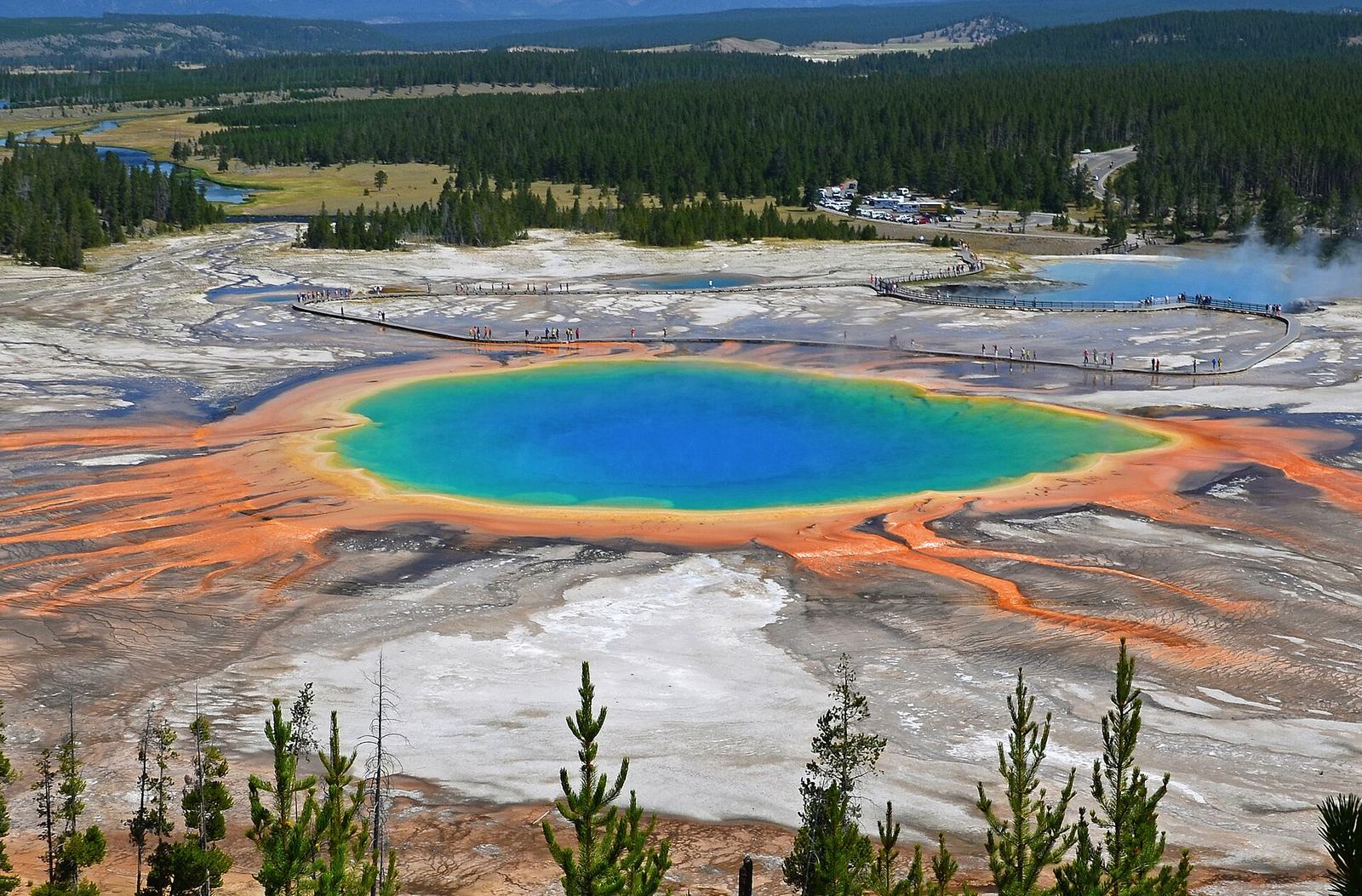
- Midway Geyser Basin and Grand Prismatic Spring: the largest hot spring in the United States. Walk the boardwalk and, if you can, climb the 0.6-mile trail to the overlook for the famous view from above. See Grand Prismatic Spring. Nearby Biscuit Basin has been closed since a 2024 hydrothermal explosion.
- Norris Geyser Basin: the hottest and most acidic basin, with a stark, otherworldly look. Allow 1.5 to 2 hours. See Norris Geyser Basin.
- West Thumb Geyser Basin: hot springs on the shore of Yellowstone Lake, and the first stop coming from Grand Teton. Allow 45 minutes. See West Thumb Geyser Basin.
- Grand Canyon of the Yellowstone: a 1,000-foot-deep yellow canyon with the Lower Falls. Allow at least half a day for both rims. See Grand Canyon of the Yellowstone.
- Hayden Valley: bison, elk and sometimes wolves or grizzlies between Canyon and Lake. Best at dawn and dusk. See Hayden Valley.
- Yellowstone Lake: North America’s largest high-elevation lake. See Yellowstone Lake.
- Mammoth Hot Springs: travertine terraces near the North Entrance. Allow 2 hours. See Mammoth Hot Springs.
- Lamar Valley: the park’s best wildlife watching, including wolves, but far from everything else. Only worth including on a trip of five days or more, with a base at Gardiner, Mammoth or Cooke City. See Lamar Valley.
For the park’s wildlife, including where and when to look, see our Yellowstone wildlife guide. For hiking, see best hikes in Yellowstone.
Yellowstone priorities when time is short
On a two-park trip, Yellowstone days are the ones that get squeezed. If you have to cut, cut in this order, from the first thing to drop to the last thing to keep:
- Drop first: West Thumb as a separate stop. It’s lovely, but if you’re passing on the way to Old Faithful, 30 minutes is enough.
- Yellowstone Lake beyond the viewpoints. Lake Village and the historic hotel are pleasant, but they’re not unique the way the geysers and canyon are.
- Norris Geyser Basin. Fascinating, but visually closer to the Firehole basins than you’d expect. Keep it if you’re passing between Madison and Canyon anyway.
- Mammoth Hot Springs. Distinctive and worthwhile, but it pulls a southern itinerary far north. It fits naturally only on a one-way Bozeman route.
- Lamar Valley. The best wildlife watching in the park and the hardest to reach. Skip it unless you can sleep in Gardiner, Mammoth or Cooke City, because a Lamar Valley dawn from Old Faithful or Jackson isn’t realistic.
- Keep: Hayden Valley. Right between Canyon and Lake, so there’s rarely a reason to miss it.
- Keep: the Grand Canyon of the Yellowstone. Two hours at Artist Point and the North Rim delivers one of the finest views in any national park.
- Keep at all costs: Grand Prismatic Spring and Old Faithful. These are the reason most people come, and they’re the closest major sights to Grand Teton.
The same logic applies in reverse for Grand Teton: if you only have a morning, keep Jenny Lake and one sunrise viewpoint and let the rest go.
What about the things everyone says you must do? A few are overrated for a short two-park trip. The Old Faithful Inn is worth a 15-minute look inside, not a special visit. The Fishing Bridge area is mostly a road and a store, and fishing from the bridge has long been banned. Tower Fall is a quick look from the overlook, not a hike, since the trail to its base has been closed for years. None of these are bad; they just don’t beat a dawn in Hayden Valley.
3-day Yellowstone and Grand Teton itinerary
Best for: a long weekend from Jackson or a short stop within a longer western road trip. Shape: loop from Jackson. Nights: Grand Teton (Jackson Lake area), Old Faithful area, then out.
Three days is rushed. This plan covers the Tetons’ best sights and Yellowstone’s southern half, but skips Mammoth, Lamar Valley and the Norris area. If you can add a day, do.
Day 1: Grand Teton
- Sunrise: Mormon Row and Schwabacher Landing (both 20 to 25 minutes from Jackson).
- 8:30 a.m.: Craig Thomas Discovery and Visitor Center at Moose, then drive Teton Park Road to South Jenny Lake. Expect up to 20 minutes of delay at the Moose Entrance roundabout construction in 2026.
- 9:30 a.m.: Jenny Lake boat shuttle, Hidden Falls and Inspiration Point. Allow 3 hours.
- 1:00 p.m.: Lunch, then String Lake for a short, flat walk along the shore.
- 3:00 p.m.: Signal Mountain Summit Road.
- 5:00 p.m.: Check in near Jackson Lake (Jackson Lake Lodge, Signal Mountain Lodge or Colter Bay).
- Evening: Oxbow Bend for wildlife and evening light.
Driving: about 60 to 70 miles.
Day 2: Into Yellowstone and the geyser basins
- 7:00 a.m.: Leave the Jackson Lake area. Head north through the JDR Parkway to Yellowstone’s South Entrance (about 30 minutes).
- 8:00 a.m.: Quick stop at Lewis Falls, then on to West Thumb Geyser Basin (45 minutes).
- 9:30 a.m.: Drive to Old Faithful (17 miles). Check the eruption prediction, watch an eruption, then walk the Upper Geyser Basin loop.
- 1:00 p.m.: Lunch at Old Faithful.
- 2:00 p.m.: Midway Geyser Basin for Grand Prismatic Spring, then Fountain Paint Pot.
- 5:00 p.m.: Return to Old Faithful for your lodge, or drive on to West Yellowstone if that’s where you’re sleeping.
- Evening: Another Old Faithful eruption, this time with the crowds gone.
Driving: about 100 miles.
Day 3: Canyon and Lake, then back to Jackson
- 6:30 a.m.: Drive from Old Faithful via Madison and Norris to Canyon Village (about 40 miles, 1 hour 15 minutes).
- 8:00 a.m.: North Rim and Brink of the Lower Falls, then Artist Point on the South Rim.
- 11:00 a.m.: Hayden Valley for wildlife.
- 12:30 p.m.: Lunch at Lake Village, then a look at Lake Yellowstone Hotel and the lakeshore.
- 2:00 p.m.: Drive back via West Thumb and the South Entrance to Jackson (about 3 hours to town).
Driving: about 160 miles. It’s a long day. If your flight home is early the next morning, sleep in Jackson; if not, sleep at Colter Bay and enjoy one more Teton sunrise.
What to drop if you’re behind: Signal Mountain on day 1 and Fountain Paint Pot on day 2.
4-day Yellowstone and Grand Teton itinerary
Best for: first-timers with limited time. Shape: loop from Jackson (or Salt Lake City variation below). Nights: Jackson Lake area, Old Faithful area, Canyon, then out.
This version adds a night at Canyon, which turns day 3 from a race into a real exploration of the Grand Canyon of the Yellowstone and Hayden Valley.
Day 1: Grand Teton
As in the 3-day plan: sunrise at Mormon Row and Schwabacher Landing, Jenny Lake and Inspiration Point, Signal Mountain, Oxbow Bend at dusk. Sleep near Jackson Lake.
Day 2: South Entrance to the geyser basins
As in the 3-day plan: West Thumb, Old Faithful, the Upper Geyser Basin, Grand Prismatic Spring and Fountain Paint Pot. Sleep at Old Faithful or West Yellowstone.
Day 3: Norris, Canyon and Hayden Valley
- 7:00 a.m.: Drive north to Norris Geyser Basin (about 30 miles) and walk the Porcelain Basin and Back Basin loops.
- 10:30 a.m.: Drive to Canyon Village (12 miles).
- 11:00 a.m.: North Rim drive: Brink of the Lower Falls, Lookout Point, Grand View.
- 1:00 p.m.: Lunch at Canyon.
- 2:00 p.m.: South Rim: Artist Point and the Uncle Tom’s area overlooks (the stairway itself has been closed since 2019).
- Evening: Hayden Valley at dusk for bison, elk and possibly a grizzly or wolves.
Driving: about 60 miles. Sleep at Canyon.
Day 4: Hayden Valley at dawn, Yellowstone Lake, back to Grand Teton
- Dawn: Hayden Valley again. Mornings are often better than evenings.
- 9:00 a.m.: LeHardy Rapids and Mud Volcano, then Lake Village.
- 11:00 a.m.: Drive along Yellowstone Lake to West Thumb and out the South Entrance.
- 1:30 p.m.: Lunch at Colter Bay or Jackson Lake Lodge, then Oxbow Bend and the drive to Jackson via US-89.
Driving: about 120 miles.
Salt Lake City variation: fly to Salt Lake City, drive north to West Yellowstone on day 0, and run the plan in reverse: geysers on day 1, Canyon on day 2, Lake and Grand Teton on day 3, the Tetons and the drive back to Salt Lake on day 4.
5-day Yellowstone and Grand Teton itinerary (one-way, Bozeman to Jackson)
Best for: most people. This is the plan we’d recommend for a first two-park trip. Shape: one-way from Bozeman to Jackson. Nights: Gardiner or Mammoth, Canyon, Old Faithful, Jackson Lake area, then fly out.
It covers every region of Yellowstone, including wildlife mornings in Lamar Valley, and gives the Tetons a proper sunrise and a hike. It works equally well in reverse from Jackson to Bozeman.
Day 1: Bozeman to Mammoth Hot Springs
- Morning or midday: fly into Bozeman and pick up your one-way rental.
- Afternoon: drive to Gardiner via Livingston and Paradise Valley (about 85 miles, 1.5 hours). Pass under the Roosevelt Arch into Yellowstone.
- Late afternoon: walk the Lower Terraces at Mammoth Hot Springs, then drive the Upper Terrace loop.
- Evening: watch for elk on the lawns at Mammoth. Sleep in Gardiner or at the Mammoth Hot Springs Hotel.
Driving: about 90 miles.
Day 2: Lamar Valley and the Grand Canyon of the Yellowstone
- 5:30 a.m.: leave for Lamar Valley (about 1 hour from Gardiner). Dawn is the best time to see wolves, bison and pronghorn. Scan from the turnouts, and look for groups with spotting scopes.
- 9:30 a.m.: drive back west to Tower Junction. Stop at Tower Fall.
- 11:00 a.m.: cross Dunraven Pass to Canyon Village (open late May to October 12 in 2026). If the pass is closed, go via Mammoth and Norris instead, which adds about an hour.
- 1:00 p.m.: lunch at Canyon, then the North Rim and South Rim viewpoints.
- Evening: Hayden Valley at dusk. Sleep at Canyon.
Driving: about 120 miles.
Day 3: Norris and the geyser basins
- 7:00 a.m.: Norris Geyser Basin (12 miles from Canyon).
- 10:30 a.m.: drive south via Madison Junction. Detour on Firehole Canyon Drive if open.
- 11:30 a.m.: Midway Geyser Basin for Grand Prismatic Spring. The overlook trail from the Fairy Falls trailhead gives the aerial view.
- 2:00 p.m.: Old Faithful. Watch an eruption and walk the Upper Geyser Basin.
- Evening: stay at Old Faithful for a sunset eruption. Otherwise sleep at West Yellowstone, 30 miles away.
Driving: about 60 miles.
Day 4: Yellowstone Lake to Grand Teton
- 7:00 a.m.: optional sunrise eruption at Old Faithful, then drive to West Thumb (17 miles).
- 9:00 a.m.: West Thumb Geyser Basin.
- 10:00 a.m.: optional side trip to Lake Village and Lake Yellowstone Hotel (21 miles each way). Skip it if you’re tired of driving.
- 12:30 p.m.: exit via the South Entrance and stop at Lewis Falls on the way.
- 1:30 p.m.: lunch at Jackson Lake Lodge or Colter Bay.
- 3:00 p.m.: Signal Mountain Summit Road, then the Teton Park Road turnouts.
- Evening: Oxbow Bend. Sleep near Jackson Lake.
Driving: about 100 miles (140 with the Lake detour).
Day 5: Grand Teton sunrise and departure
- Sunrise: Schwabacher Landing and Mormon Row.
- 8:30 a.m.: South Jenny Lake. Boat shuttle, Hidden Falls and Inspiration Point.
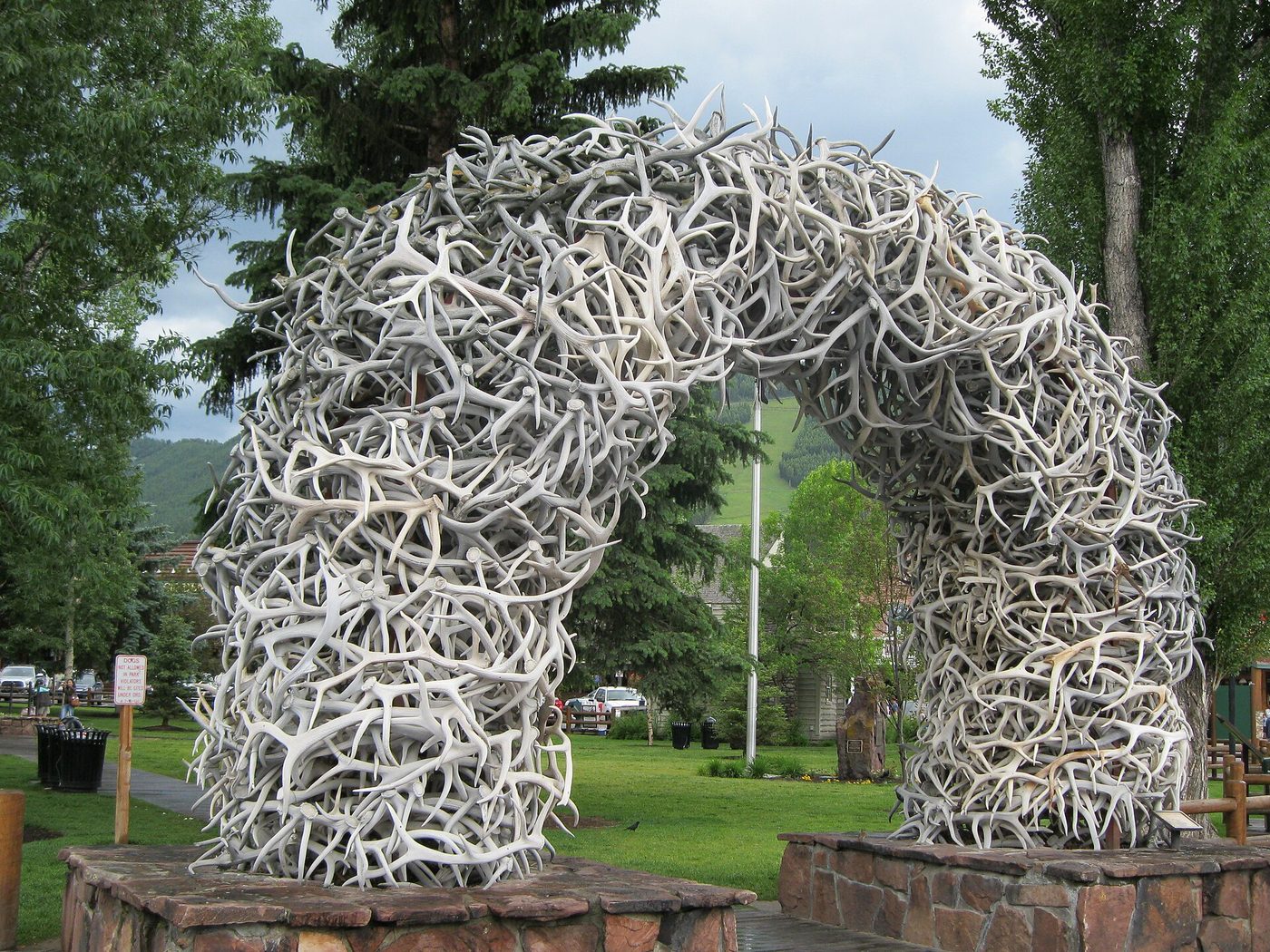
- 12:30 p.m.: lunch in Jackson and a walk around Town Square and its elk antler arches.
- Afternoon: fly out of Jackson Hole Airport (on the way back north, only 10 minutes from Moose), or stay another night.
Driving: about 60 miles.
Reverse version (Jackson to Bozeman): fly into Jackson, spend day 1 in the Tetons, and follow the days in reverse, ending with Lamar Valley and Mammoth before driving to Bozeman on day 5.
Six-day version: add a second night at Canyon or Old Faithful and use the extra day for a hike: Mount Washburn in summer, Fairy Falls, or the South Rim Trail at the Grand Canyon of the Yellowstone. Or give Grand Teton a second full day with Cascade Canyon or Taggart Lake.
7-day Yellowstone and Grand Teton itinerary
Best for: a relaxed first visit that sees almost everything. Shape: one-way Bozeman to Jackson, or loop from Salt Lake City. Nights: Gardiner (2), Canyon (1), Old Faithful (1), Lake or Grant Village (1), Jackson Lake area (1), Jackson (1).
A week lets you give Lamar Valley two dawns, spend real time at the geyser basins and Yellowstone Lake, and treat the Tetons as a destination rather than a detour.
Day 1: Arrive in Bozeman, drive to Gardiner
Pick up your car and drive through Paradise Valley. Walk the Mammoth terraces late in the afternoon. Sleep in Gardiner.
Day 2: Lamar Valley at dawn and the northern range
- Dawn: Lamar Valley. Stay until the animals settle into the day.
- Late morning: walk the short Trout Lake trail near the Northeast Entrance road, or continue toward Cooke City and Silver Gate.
- Afternoon: back toward Gardiner. Stop at the Blacktail Plateau Drive (a one-way gravel road open in summer) and the Wraith Falls trail.
- Evening: a soak outside the park (Yellowstone’s own thermal waters are off-limits for swimming, with the details in our fishing in Yellowstone guide) or dinner in Gardiner. Sleep in Gardiner.
Day 3: Second Lamar dawn, Tower Fall and Canyon
A second morning in Lamar Valley greatly improves your odds of seeing wolves. Then drive to Tower Fall, over Dunraven Pass (with a Mount Washburn hike if you’re up for 6.4 miles round trip), and on to Canyon. Afternoon at the North and South rims. Sleep at Canyon.
Day 4: Hayden Valley, Norris and the geyser basins
Dawn in Hayden Valley. Then drive to Norris for the morning and on to Midway Geyser Basin and Grand Prismatic in the afternoon. Arrive at Old Faithful in time for an evening eruption. Sleep at Old Faithful.
Day 5: Upper Geyser Basin and Yellowstone Lake
- Morning: the Upper Geyser Basin at a slow pace. Check the predictions for Grand, Castle, Daisy and Riverside geysers as well as Old Faithful.
- Early afternoon: drive to West Thumb (17 miles).
- Late afternoon: continue along the lake to Lake Village. Walk the lakeshore, visit Lake Yellowstone Hotel, and consider a Yellowstone Lake cruise from Bridge Bay.
- Sleep: Lake Village or Grant Village.
Day 6: Into Grand Teton
- Morning: out the South Entrance, with a stop at Lewis Falls.
- Late morning: Colter Bay, the Lakeshore Trail and the visitor center (if open).
- Afternoon: Signal Mountain Summit Road, Teton Park Road turnouts, String Lake.
- Evening: Oxbow Bend and Willow Flats. Sleep at Jackson Lake Lodge, Signal Mountain or Colter Bay.
Day 7: Jenny Lake and Jackson
- Sunrise: Mormon Row and Schwabacher Landing.
- Morning: Jenny Lake boat, Inspiration Point and, if you have the legs, the first miles of Cascade Canyon.
- Afternoon: Craig Thomas Discovery and Visitor Center, then Jackson. Sleep in Jackson and fly out the next morning, or fly out that evening.
Honest note: this itinerary still involves real driving, roughly 450 to 500 miles over the week. That’s the nature of Yellowstone. The point of the extra days is that no single day has more than about 3 hours at the wheel.
8-day Yellowstone and Grand Teton itinerary
Best for: travelers who want hiking, photography or a scenic byway. Shape: one-way, Bozeman to Jackson, with an optional Beartooth Highway loop. Nights: Gardiner (2), Cooke City or Gardiner (1), Canyon (1), Old Faithful (1), Lake (1), Jackson Lake area (1), Jackson (1).
Follow the 7-day plan with one of these two upgrades.
Option A: the Beartooth Highway (late May to mid-October)
After your Lamar Valley morning on day 2 or 3, drive through the Northeast Entrance to Cooke City and on up the Beartooth Highway to Beartooth Pass, near 11,000 feet. Turn around at the pass or at Red Lodge, depending on how much driving you want. Many consider it the most beautiful drive in the country. Sleep in Cooke City or Silver Gate, then continue with Lamar Valley at dawn and on to Canyon. In 2026, the Beartooth Highway was open from May 22 to October 12, weather permitting (checked September 2026). Read our Beartooth Highway guide first.
Option B: a second full day in Grand Teton
Use the extra day for Cascade Canyon to the Forks (about 9 to 10 miles round trip from the Jenny Lake boat dock), Taggart Lake (if the trail has fully reopened), or a scenic float trip on the Snake River with a licensed outfitter. Finish with dinner in Jackson and an evening at Town Square. For ideas in town, see things to do in Jackson Hole.
Which option? Photographers and drivers should pick the Beartooth. Hikers should pick the second Grand Teton day.
Adjusting any itinerary for your group
The plans above assume a reasonably fit adult group in a standard rental car in summer. Here’s how to adapt them.
Families with young kids. Cut the daily driving rather than the number of sights. Swap Inspiration Point for the flat String Lake shore, swap Norris’s longer Back Basin loop for the Porcelain Basin boardwalk, and plan a pool or playground break at your lodging each afternoon. Junior Ranger programs run in both parks and give kids a goal. Put the long drives, such as South Entrance to Canyon, right after lunch, when younger children are most likely to nap. Keep kids on boardwalks in thermal areas at all times; the ground next to hot springs can be thin crust over boiling water.
RVs and trailers. Signal Mountain Summit Road doesn’t allow trailers or large RVs, parking at Jenny Lake and Grand Prismatic is tight for long rigs, and the 2026 Gardner River High Bridge restriction bans vehicles 8 feet 6 inches or wider and 75 feet or longer through late October. Unhitch at your campground and use the tow vehicle for day trips where you can. Plan to fill water tanks and use dump stations at campgrounds rather than looking for them mid-drive. Our camping in Yellowstone guide covers which sites fit which rigs.
Photographers. Add a night near Jackson Lake so you have two chances at a Teton sunrise, and be in Hayden Valley or Lamar Valley at first light for wildlife. Midday is for scouting and sleeping. Old Faithful at sunset and the Grand Canyon of the Yellowstone from Artist Point in the late morning are the Yellowstone light sweet spots.
Hikers. Build around three anchor hikes: Cascade Canyon in Grand Teton, Mount Washburn (summer only) and a trail at the Grand Canyon of the Yellowstone, such as the North Rim or South Rim trail. Start early to avoid afternoon thunderstorms, which are common in July and August above 8,000 feet. Our best hikes in Yellowstone guide has more options.
Late arrivals and early flights. Don’t plan sights on an arrival afternoon after a long flight; just drive to your first base and rest. On departure day, leave at least 3 hours between your last park stop and your flight for Jackson Hole, and 4 to 5 hours for Bozeman if you’re coming from Mammoth or the West Entrance.
Bad-weather days. Rain, snow or smoke can hit any day. Have a backup ready: visitor centers (Old Faithful, Canyon and the Craig Thomas Discovery and Visitor Center at Moose are the best), the geyser basins, which look dramatic in cool, damp air, and scenic drives rather than viewpoints. Summer storms usually clear by evening, so don’t give up on sunset.
Hot days. Midday temperatures in the 80s °F are common in July and August on the valley floors. The geyser basins radiate heat and have little shade, so do them early or late, carry more water than you think you need, and save the hottest hours for driving with the air conditioning on.
Seasons: when a two-park trip works best
The best time for a combined Yellowstone and Grand Teton trip is mid-June to mid-September, when all roads, lodges and visitor services in both parks are open. Late May, early June and late September offer fewer crowds, cooler weather and good wildlife, with a few facilities closed. Our best time to visit Yellowstone and Grand Teton guide goes month by month, and the full month-by-month detail for Yellowstone is in best time to visit Yellowstone.
| Period | Yellowstone | Grand Teton | Verdict |
|---|---|---|---|
| Mid-April to mid-May | Western roads open from mid-April; others open in stages; few lodges open | Teton Park Road opening; snow on trails; Jenny Lake boat not yet running | Only for flexible travelers after baby animals |
| Mid-May to mid-June | Most roads open by late May (Dunraven Pass late May); lodges opening | Lodges and Jenny Lake boat open from mid-May; high trails snowy | Good value; pack for snow |
| Mid-June to August | Everything open; busiest months | Everything open; busiest months | Best for first-timers; book a year ahead |
| September | Elk rut; cooler; lodges start closing late in the month | Aspens start turning; Jenny Lake boat to September 30 | Many people’s favorite time |
| October | Dunraven Pass and Beartooth close mid-October; most roads close to cars at the end of the month | Fall color early in the month; services winding down | Beautiful but limited; check every closure |
| November to April | Only the North to Northeast road open to cars; oversnow from mid-December | Teton Park Road closed to cars; Jackson busy with skiing | Two separate winter trips, not a combined one |
Late spring: what to expect in May and early June
This is the season for baby animals: bison calves (nicknamed “red dogs”), elk calves and, with luck, bear cubs. It’s also unpredictable. Snow can fall on any day, high trails like Cascade Canyon and Mount Washburn are usually still snowbound, and some lodges and services open only in late May. The Jenny Lake boat began running on May 15 in 2026, and Dunraven Pass in Yellowstone opened on May 22 (checked September 2026). Book refundable rooms, carry chains or at least good tires if you’re driving before Memorial Day, and plan a flexible route that can skip a closed road. The payoff is thin crowds and green valleys.
Summer: how to cope with peak season
From late June to mid-August, both parks are at their busiest, and the key is timing. Be on the road by 7 a.m., reach the most popular parking areas (Jenny Lake, Grand Prismatic, Old Faithful, Artist Point) before 9 a.m. or after 4 p.m., and use midday for driving between regions. Afternoon thunderstorms are common, so hike early. Lodging and campgrounds in both parks sell out months ahead, so book first and plan the rest around what you get.
Fall: the case for September
The first three weeks of September are, for many regulars, the best time for a two-park trip. Families are back at school, the elk rut fills Mammoth and the Madison River meadows with bugling bulls, the aspens start to turn in Grand Teton, and the weather is generally stable with crisp mornings. The trade-off is that services start to close from late September: the Jenny Lake boat ran until September 30 in 2026, Colter Bay Visitor Center closed on the same day, and several Yellowstone lodges closed in early October (checked September 2026). By mid-October you’re working around closures on both sides of the border. Pack layers: mornings below freezing and afternoons in the 60s °F are normal.
Winter note: a winter two-park trip is a completely different vacation. Jackson becomes a ski town, and you reach Yellowstone’s interior only by snowcoach or snowmobile, including tours from Flagg Ranch. See our Yellowstone in winter guide.
Fees, passes and 2026 closures
Entrance fees: two parks, two fees
Grand Teton and Yellowstone charge separate entrance fees. A pass for one isn’t valid in the other. Grand Teton’s own fee page says visitors traveling to or from Yellowstone through Grand Teton must pay a separate entrance fee. Both parks charged $35 per private vehicle for seven days in 2026 (checked September 2026).
Three other things to know:
- The nonresident fee applies at both parks. Since January 1, 2026, each non-US resident aged 16 and over pays an additional $100 per person at Yellowstone and again at Grand Teton, unless admitted with an annual or America the Beautiful pass (checked September 2026).
- The America the Beautiful pass covers both. For many two-park travelers it’s the better deal: $80 for US residents and $250 for nonresidents, valid for a year at all national parks. Do the math for your group. See America the Beautiful pass for Yellowstone.
- Grand Teton is cashless. Its entrance stations don’t accept cash, so have a card ready (checked September 2026). Yellowstone’s stations take both.
Our Yellowstone and Grand Teton pass guide compares the options, and the complete Yellowstone fee breakdown is on our Yellowstone entrance fee page.
Closures and construction to plan around (2026)
Grand Teton’s conditions page, updated September 12, 2026, listed these (checked September 2026):
- Moose-Wilson Road: closed to all use.
- Death Canyon Road and trailhead: closed to all use.
- Teton Park Road roundabout at the Moose Entrance: delays of about 20 minutes, not including entrance station wait.
- North Park Road: open with 15-minute delays from 6 a.m. to 9 p.m., and 1-hour delays from 9 p.m. to 6 a.m.
- Taggart Lake trailhead and trail: partially open.
- Mormon Row Historic District: open, with some buildings closed.
- Cottonwood Creek Picnic Area: closed.
- Signal Mountain and Colter Bay marinas: closed; Colter Bay boat ramp hand-carry only; Leeks Marina open.
On the Yellowstone side in 2026, the main issues were the single-lane Gardner River High Bridge near the North Entrance (15-minute delays and no vehicles 8 feet 6 inches or wider, or 75 feet or longer, through late October), chip-sealing delays of up to 30 minutes, and bridge work at Bridge Bay, the Firehole River and the Yellowstone River. Biscuit Basin remains closed, and Uncle Tom’s Trail is still shut (checked September 2026).
Road dates and closures change constantly, so check before each day’s drive. For Yellowstone see Yellowstone road closures; for Grand Teton see Grand Teton road closures.
Practical tips for a two-park trip
Gas. Fuel is available in Jackson, at several spots within Grand Teton in season, at Flagg Ranch, and at six locations inside Yellowstone, which offer 24-hour card fueling year-round. Prices are higher inside the parks. Fill up in Gardiner, West Yellowstone or Jackson when you can.
Food. Both parks have restaurants, cafeterias and general stores, but meals are slow at peak times and prices are high. Pack picnic lunches and eat at a turnout. Jackson has by far the best restaurant scene in the region. For in-park dining in Yellowstone, see where to eat in Yellowstone.
Cell service. Decent in Jackson, Gardiner and West Yellowstone, and around some developed areas in both parks. Nonexistent along long stretches of road. Download offline maps and the NPS App before you go.
Wildlife distance. In Yellowstone, stay at least 100 yards from bears and wolves and 25 yards from all other animals (checked September 2026). Grand Teton’s rules are similar. Don’t stop in the road for wildlife; use a turnout.
Bear spray. Carry it on every hike in both parks. You can rent it in Jackson, West Yellowstone and elsewhere. It’s not allowed on commercial flights.
Altitude. Jackson sits around 6,200 feet, most of Yellowstone’s plateau is 7,000 to 8,000 feet, and the Signal Mountain summit and Mount Washburn are higher still. Drink more water than usual and take it easy on the first day.
Tours. If you’d rather not drive, guided tours run from Jackson into both parks. See our Yellowstone tours guide for options, including departures from Jackson Hole.
Driving from Jackson to Yellowstone. Our Jackson Hole to Yellowstone guide details the route through Grand Teton and the parkway, with stops.
What a two-park trip really costs
Prices move too fast to quote reliably, but the shape of the budget is predictable. These are the main line items, with the fixed ones stamped (checked September 2026):
- Entrance fees. $35 per private vehicle at each park for seven days, or one America the Beautiful pass ($80 for US residents, $250 for nonresidents) that covers both. Non-US residents aged 16 and over without an annual pass also pay $100 per person at each park.
- Lodging. Usually the largest cost. In-park lodges in both parks and Jackson hotels are expensive in July and August. Gateway towns and campgrounds cut the bill substantially, and shoulder-season rates fall sharply.
- Car rental. Summer demand makes Bozeman, Jackson and West Yellowstone rentals expensive. Add a one-way drop fee if you’re not looping. Salt Lake City is usually cheaper.
- Fuel. A seven-day trip covers roughly 450 to 700 miles, depending on your route and starting airport. Fuel costs more inside the parks.
- Food. Park restaurants and Jackson are pricey. Groceries from Gardiner, West Yellowstone or Jackson and picnic lunches save a lot.
- Activities. The Jenny Lake boat shuttle, Yellowstone Lake cruises, float trips and guided wildlife tours all cost extra. Choose one or two rather than all.
Where to save and where not to. Save on lodging by using gateway towns for part of the trip and on food with picnics. Don’t save by choosing a far-away base that adds two hours of driving a day; that costs you the best hours of the trip.
Frequently asked questions
Can you see Yellowstone and Grand Teton in one day?
You can drive through both in one very long day, but you won’t really see either. A day trip from Jackson to Old Faithful and back takes about 5 hours of driving alone. If one day is all you have, choose one park, or see Grand Teton from Jackson and save Yellowstone for another trip.
Do I need separate passes for Yellowstone and Grand Teton?
Yes. Each park charges its own entrance fee of $35 per private vehicle for seven days (checked September 2026), and a pass for one isn’t valid in the other. An America the Beautiful annual pass covers both parks and often costs less for a two-park trip.
Which airport is best for Yellowstone and Grand Teton?
For a one-way trip, fly into Bozeman and out of Jackson Hole, or the reverse. For a round trip, Jackson Hole suits shorter trips that focus on Grand Teton and southern Yellowstone, while Salt Lake City often has the cheapest flights and rental cars but adds 4.5 to 6 hours of driving each way.
Is Grand Teton worth visiting if you’re going to Yellowstone?
Yes. It’s right next door, and its mountain scenery is completely different from Yellowstone’s geysers and wildlife plateau. Even one day is enough for Jenny Lake, a sunrise viewpoint and Oxbow Bend. Skipping it when you’re driving past the South Entrance anyway would be a mistake.
Should I stay in Jackson for Yellowstone?
Only for Grand Teton and the southern edge of Yellowstone. Jackson is about 2 to 2.5 hours from Old Faithful and 3.5 to 4 hours from Mammoth Hot Springs. For Yellowstone days, sleep inside the park or in Gardiner or West Yellowstone.
What is the best time of year to visit both parks?
Mid-June to mid-September, when all roads, lodges and services in both parks are open. For fewer crowds, aim for early June or the second half of September, when the elk rut begins in Yellowstone and the aspens turn gold in Grand Teton.
How do you get from Yellowstone to Grand Teton?
Leave Yellowstone through the South Entrance and drive south on US-89/191/287 through the John D. Rockefeller Jr. Memorial Parkway. You’ll reach northern Grand Teton at Jackson Lake in about 30 to 40 minutes, and Jackson in about 1 hour 15 minutes without stops.
How many days should I spend in Grand Teton?
One full day covers the highlights: a sunrise viewpoint, Jenny Lake and Inspiration Point, and the scenic drive. Two days let you add a longer hike, a second sunrise and a slower pace. Most two-park itineraries give Grand Teton one or two days and Yellowstone the rest.
Sources
- National Park Service, Grand Teton: current conditions and closures, page dated September 12, 2026
- National Park Service, Grand Teton: fees and passes, checked September 2026
- National Park Service, Grand Teton: operating hours and seasons, checked September 2026
- National Park Service, Grand Teton: John D. Rockefeller Jr. Memorial Parkway, checked September 2026
- National Park Service, Yellowstone: park roads, checked September 2026
- Yellowstone National Park Lodges: reservations, checked September 2026
Image credits
| Photo | Credit |
|---|---|
| Mormon Row on Antelope Flats, best at sunrise (top of page) | Jon Sullivan, PD Photo., public domain, via Wikimedia Commons |
| Oxbow Bend is the Grand Teton viewpoint closest to Yellowstone | Unknown author, public domain, via Wikimedia Commons |
| The boat shuttle crosses Jenny Lake to the trail for Hidden Falls and Inspiration Point | Acroterion, CC BY-SA 4.0, via Wikimedia Commons |
| On a calm morning, the beaver ponds at Schwabacher Landing act as a mirror | GrandTetonNPS, public domain, via Wikimedia Commons |
| Jackson Lake stretches about 15 miles along the base of the range | Acroterion, CC BY-SA 4.0, via Wikimedia Commons |
| Lewis Falls is a quick roadside stop north of the South Entrance | No machine-readable author provided. MONGO assumed (based on copyright claims)., public domain, via Wikimedia Commons |
| The antler arches on Jackson’s Town Square are made from antlers shed on the National Elk | MPSharwood, CC BY-SA 4.0, via Wikimedia Commons |
| The homesteads on Mormon Row date from the late 1800s and early 1900s | Miguel Hermoso Cuesta, CC BY-SA 4.0, via Wikimedia Commons |
| The Snake River at Oxbow Bend in early summer | Daniel Mayer, CC BY-SA 3.0, via Wikimedia Commons |