West Yellowstone is a small Montana town of about 1,300 people built right against the park’s western boundary, a few blocks from the West Entrance. It exists for Yellowstone, and it is the quickest base for Old Faithful and the geyser basins: about 30 miles from the gate to the most famous geyser on earth.
That’s the short version. The longer one matters, because the town is brilliant for some trips and the wrong call for others. It puts you nearer the Firehole geysers than any other town, it has the most beds of any gateway, and it stays busy in winter when snowmobiles and snowcoaches head in from here. It’s also a long drive from Lamar Valley and Mammoth, it has almost no scenery of its own inside town, and in July the line at the gate can back up past the motels by mid-morning.
This guide covers what the town is like, how far everything really is, where to sleep, what’s worth your time in town and nearby, how the seasons change it, and how it stacks up against Gardiner. It sits inside our wider guide to Yellowstone’s gateway towns, which compares all of them.
What is West Yellowstone, Montana?
West Yellowstone is an incorporated town in Gallatin County, Montana, at 6,667 feet on the park’s western edge. The 2020 census counted 1,272 residents. It was founded in 1908 as a railroad terminus for park visitors, and today almost every business in town serves travelers heading through the West Entrance.
The town grew up around the Oregon Short Line, a Union Pacific branch that reached the park boundary in June 1908. For decades, visitors rode the Yellowstone Special up from Pocatello, Idaho, stepped off at the depot and boarded stagecoaches, then buses, into the park. Passenger rail service ended long ago, but the stone depot and the Union Pacific Dining Lodge still stand, and the depot now houses the Museum of the Yellowstone. The town cycled through several names before settling on West Yellowstone in 1920 and didn’t incorporate until 1966.
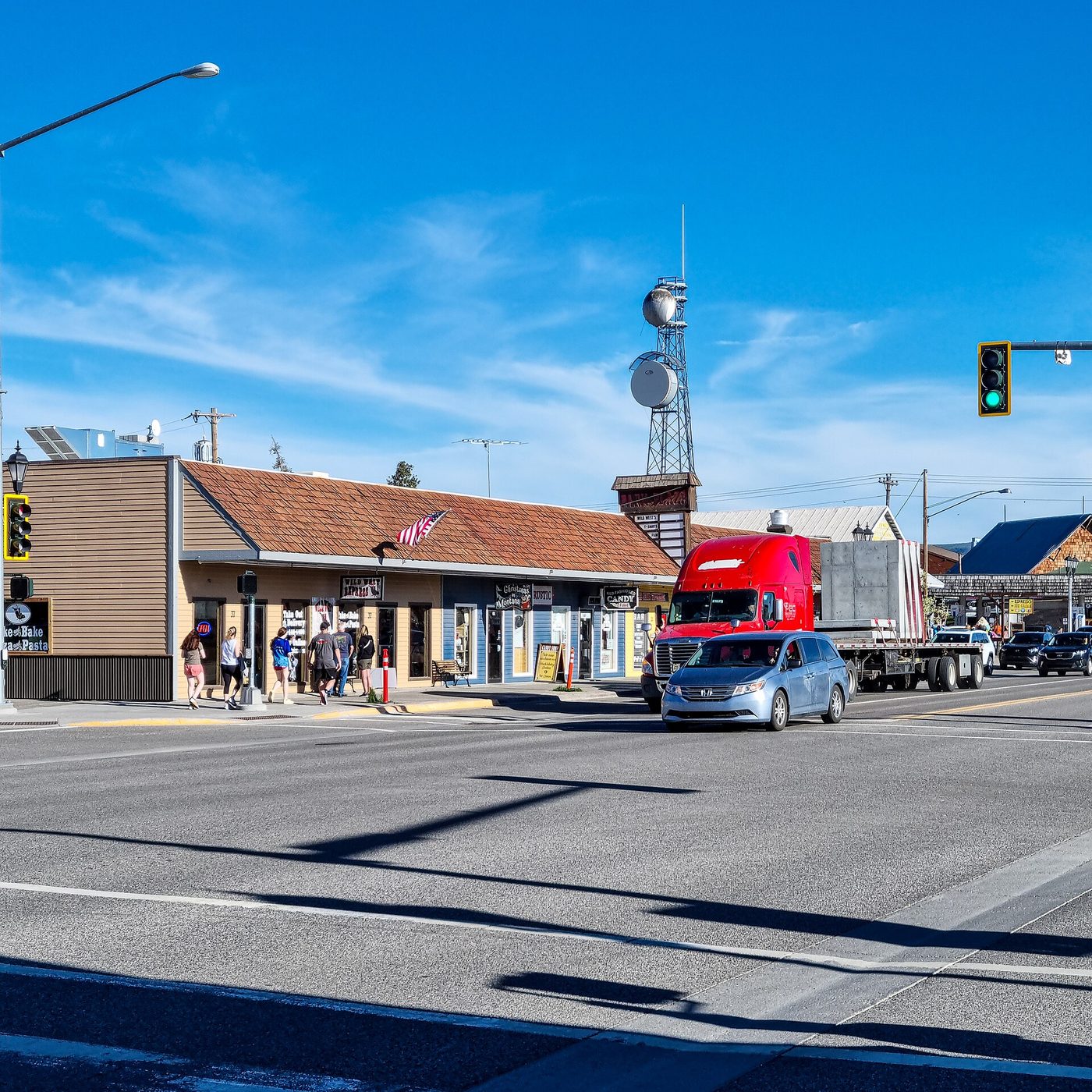
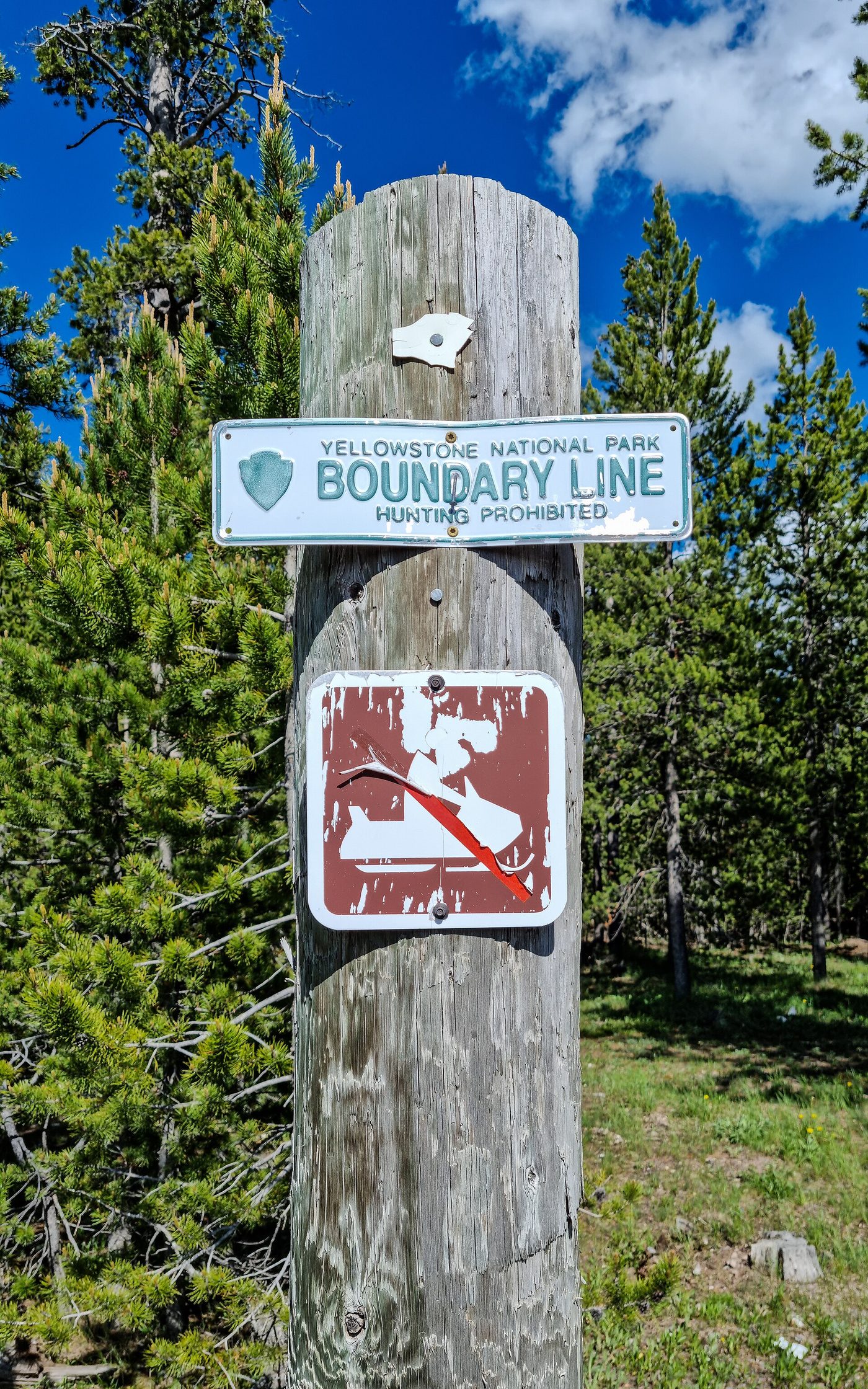
What you’ll find today is a grid of about a dozen blocks, laid out flat on a lodgepole-pine plain. Canyon Street (US-191/287) runs north-south as the main drag; Yellowstone Avenue runs east straight into the park. Boundary Street, fittingly, marks the park line itself. Motels, gift shops selling huckleberry everything, fly shops, outfitters, a movie theater, several grocery options and a surprisingly wide spread of restaurants fill the grid. It is practical rather than pretty. Nobody drives here for the architecture.
The winters are serious. The park’s record low of −66°F was recorded at Riverside, just inside the West Entrance, and snow usually covers the ground from November into May. By early March the snowpack around town typically sits at 3.5 to 4 feet, which is exactly why the town calls itself a snowmobile capital and why its winter economy runs almost as hard as its summer one.
Where West Yellowstone sits, and how far everything is
The West Entrance station is less than a mile from the center of town; from most motels you can be at the gate in two or three minutes when there’s no queue. Everything else is measured from there. The table below gives road miles and realistic summer drive times with no stops. Add time for wildlife jams, road work and parking, which in July can double a figure.
| From West Yellowstone to | Miles (approx.) | Drive time without stops | Notes |
|---|---|---|---|
| West Entrance gate | under 1 | 2-5 min | Queue can add 30+ min midday in summer |
| Madison Junction | 14 | 25-30 min | Follows the Madison River; frequent elk and bison |
| Grand Prismatic Spring (Midway Geyser Basin) | 24 | 40-45 min | Parking is the real bottleneck |
| Old Faithful | 30 | 50-60 min | Closest gateway to the Upper Geyser Basin |
| Norris Geyser Basin | 28 | 45-50 min | Via Madison Junction |
| Canyon Village | 40 | 1 h 15 min | Grand Canyon of the Yellowstone |
| Mammoth Hot Springs | 49 | 1 h 30 min | Via Norris |
| Lamar Valley (Slough Creek area) | about 85 | 2 h 30 min+ | Poor base for dawn wildlife trips |
| Hebgen Lake (nearest shore) | about 8 | 15 min | North on US-191, then US-287 |
| Earthquake Lake Visitor Center | about 27 | 35-40 min | Via US-287 west |
| Big Sky | about 50 | 1 h | Through Gallatin Canyon |
| Bozeman | about 90 | 1 h 45 min-2 h | US-191, two-lane canyon road |
| Idaho Falls | about 108 | 1 h 45 min-2 h | US-20 through Island Park |
| Salt Lake City | about 320 | 5-5.5 h | I-15 then US-20 |
Distances rounded from NPS park-map mileages and state highway routes; checked September 2026.
Two things jump out. First, the geyser country along the Firehole River is genuinely close, and nowhere else puts you nearer. Second, the northern and northeastern parts of the park are not. If Lamar Valley at dawn is the point of your trip, you’d need to leave town around 4 a.m. to be there at first light. That’s the single biggest reason people end up regretting booking every night here.
Is West Yellowstone worth it as a base?
Yes, for two or three nights focused on the geyser basins, Grand Prismatic and Norris, and for winter snowmobile or snowcoach trips. No, if you want wildlife at dawn in Lamar Valley or plan to see the whole park from one bed. Split your stay instead.
Here’s the honest breakdown.
Where it wins:
- Proximity to the geysers. Old Faithful, Grand Prismatic, Norris and the Fountain Paint Pot are all within an hour. You can be at Grand Prismatic before the parking lot fills, which matters more than almost anything else in summer.
- Choice and price. It has the largest supply of hotels, motels, cabins and vacation rentals of any gateway. That means more chance of a room when in-park lodging sold out a year ago, and more range between budget motels and newer chain hotels.
- Early road openings. The West Entrance to Madison and on to Old Faithful is among the first segments to open to cars each spring (April 17 in 2026). If you’re traveling in late April, this town is one of the few ways into geyser country at all. Road-by-road dates live in our Yellowstone road closures guide.
- Services. Groceries, gas, laundromats, gear rental, a pharmacy, and restaurants open late enough to eat after sunset.
- Winter access. When the interior roads close to cars, guided snowmobiles and snowcoaches leave from here for Old Faithful.
Where it falls short:
- Distance to the north and east. Mammoth is 90 minutes away, Lamar Valley well over two hours. A loop to Canyon and back is a full day.
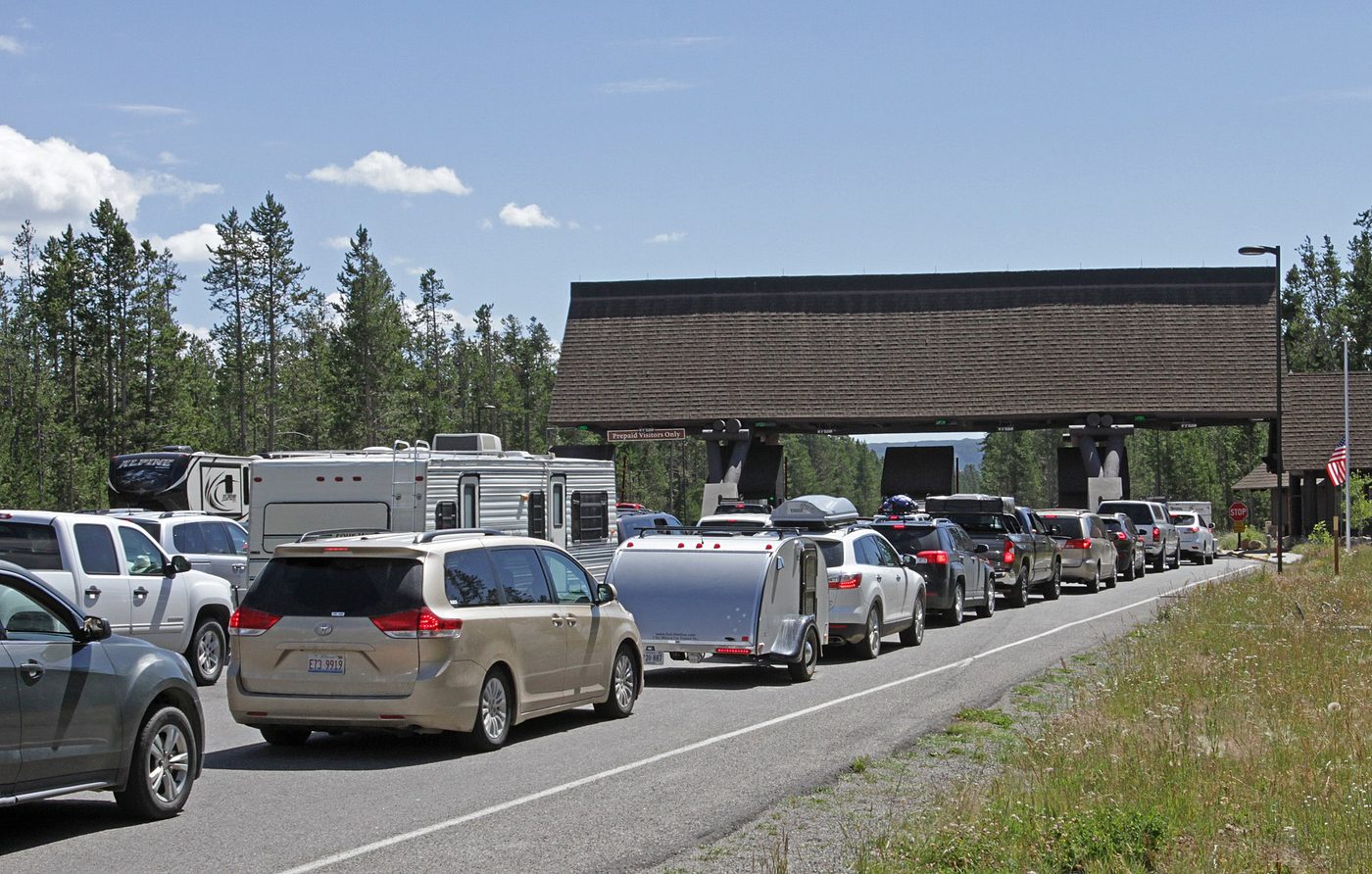
- The gate queue. West is the park’s busiest entrance. In July and August the line can run back along Yellowstone Avenue from roughly 9 a.m. to early afternoon.
- Character. Compared with Jackson, or even Gardiner’s river-canyon setting, this is a flat grid of commercial strips. It’s fine. It’s not a place you’ll photograph.
- Summer prices. Supply is high, but so is demand. Peak-season rates can climb steeply, and minimum stays are common at rentals.
The verdict most seasoned Yellowstone visitors land on: book two or three nights here (or inside the park at Old Faithful) for the geyser half of the park, then move to Canyon, Mammoth or Gardiner for the north. Our Yellowstone itinerary guide shows how to split the nights.
Getting to West Yellowstone
You have four realistic ways in: fly to the town’s own seasonal airport, fly to Bozeman or Idaho Falls and drive, drive in from Salt Lake City, or take a shuttle. Our full how to get to Yellowstone guide covers every airport and route; here’s what matters for this town specifically.
Yellowstone Airport (WYS). The airport sits about 2 miles north of town. NPS describes its commercial service as seasonal, running from about early May to mid-October. Current schedules show Delta Connection flights to Salt Lake City and United flights to Denver. On-site rental cars are limited and sell out, so book the car the day you book the flight. It’s the most convenient airport in the whole Yellowstone region when the flights line up with your dates, and often the most expensive. See our West Yellowstone Airport guide for how it works (checked September 2026).
Bozeman (BZN). Montana’s busiest airport has far more flights and far more rental cars, and it’s about 90 miles away. The drive runs south on US-191 through Gallatin Canyon, a beautiful but narrow two-lane road beside the Gallatin River, past Big Sky, and briefly through the northwest corner of Yellowstone itself before reaching town. Allow 1 hour 45 minutes to 2 hours, more in winter or behind a truck. For most travelers, Bozeman plus this drive is the best combination of price and convenience.
Idaho Falls (IDA). About 108 miles southwest via US-20 through Island Park, a flatter and generally faster drive. Idaho Falls has fewer flights than Bozeman but sometimes cheaper fares, and it’s a sensible choice if you plan to continue to Grand Teton afterward.
Salt Lake City (SLC). Roughly 320 miles and 5 to 5.5 hours of driving via I-15 and US-20. SLC often has the lowest airfares and rental rates in the region, which can offset the extra day. If you’re weighing that trade, work it through with our Yellowstone road trip planning.
Shuttles and buses. NPS lists bus service from Bozeman year-round and from Idaho in summer. Salt Lake Express runs from Salt Lake City’s airport; Karst Stage handles airport shuttles and charters. There’s no public transit inside the park, so a shuttle to town only works if you then join tours or rent a car locally.
Where to stay in West Yellowstone
The town has more lodging than any other gateway, and the range is wide: family-run 1950s motor courts on Canyon Street, newer chain hotels with pools, log-cabin complexes on the edge of town, vacation rentals, RV parks, and glamping on the outskirts. Our detailed guide to where to stay in West Yellowstone compares specific properties; this section covers how to choose.
Pick your block, not just your hotel. Anything within the grid puts you under five minutes from the gate. Properties along Yellowstone Avenue and near Boundary Street are closest to the entrance and the Grizzly & Wolf Discovery Center. Places farther north on Canyon Street or out along US-20 are quieter and still only a few minutes’ drive.
Book early for July and August. The town’s supply is large, but it’s the default fallback for everyone who missed in-park rooms, and those release 13 months ahead. Booking six to nine months out for peak summer is sensible; three months out, you’ll be choosing from leftovers. For in-park options and how their booking windows work, see our guide to lodging in Yellowstone National Park.
Look hard at shoulder season. Late May, early June, September and the first half of October are when a stay here makes most sense value-wise. Rates drop, the gate line shrinks, and the geysers look even better in cool air, because the steam clouds are bigger.
Know what “cabin” means here. Many cabin properties are motel rooms in log-sided buildings. Some have kitchenettes; many don’t. If cooking your own breakfast before a 6 a.m. start matters, filter for it.
RVs and campers. Several private RV parks operate in and around town, most seasonally, and the Forest Service runs campgrounds on Hebgen Lake. Inside the park, Madison Campground is the closest to the West Entrance. Hookups inside the park are rare; our Yellowstone RV camping guide covers where you’ll actually find them.
Is staying inside the park better? For Old Faithful, often yes: sleeping at the Old Faithful Inn or the Snow Lodge means you watch evening eruptions after the day crowds leave. But in-park rooms cost more, sell out fast and come with fewer amenities. A night or two at Old Faithful plus nights in town is a strong combination.
Things to do in West Yellowstone
Most people treat the town as a place to sleep and eat. That’s fair, but there’s enough here for a slow evening or a rainy half-day. Our things to do in West Yellowstone guide goes deeper; these are the ones worth knowing about.
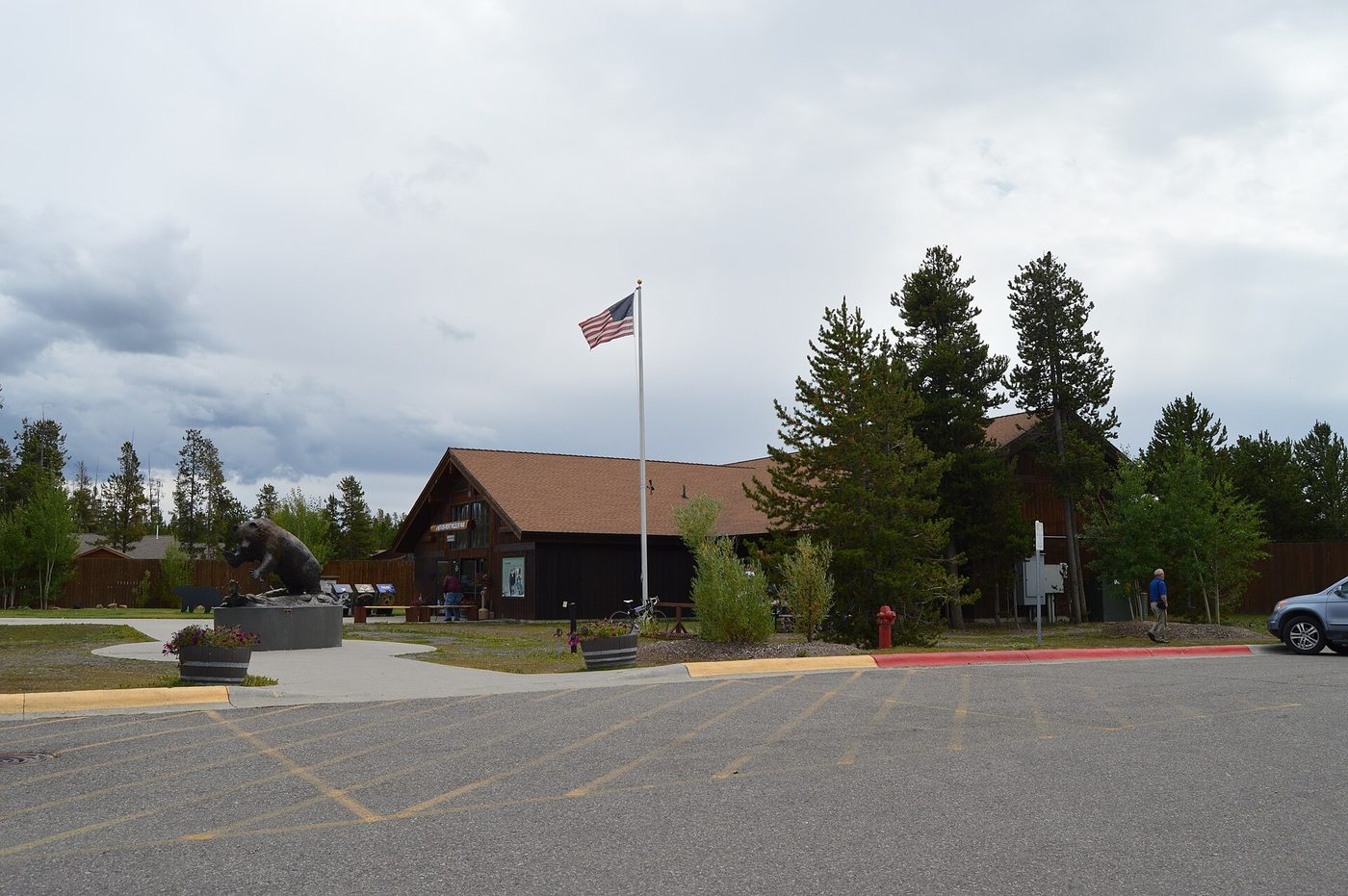
Grizzly & Wolf Discovery Center. The town’s best-known attraction is a nonprofit wildlife park and education center on Canyon Street, beside the park entrance. It houses grizzly bears and gray wolves that can’t live in the wild, most of them bears that became habituated to people or wolves born in captivity, along with river otters and birds of prey. It opens every day of the year, 8:30 a.m. to 6 p.m. with last entry at 5:30 p.m., and a ticket covers two consecutive days (checked September 2026). Is it worth it? For families with kids, absolutely: you get a guaranteed close look at a grizzly and a talk on why bears get into trouble. For adults on a short trip, it’s a nice evening hour but no substitute for spotting a wild grizzly across Hayden Valley. Our Grizzly and Wolf Discovery Center guide has the details.
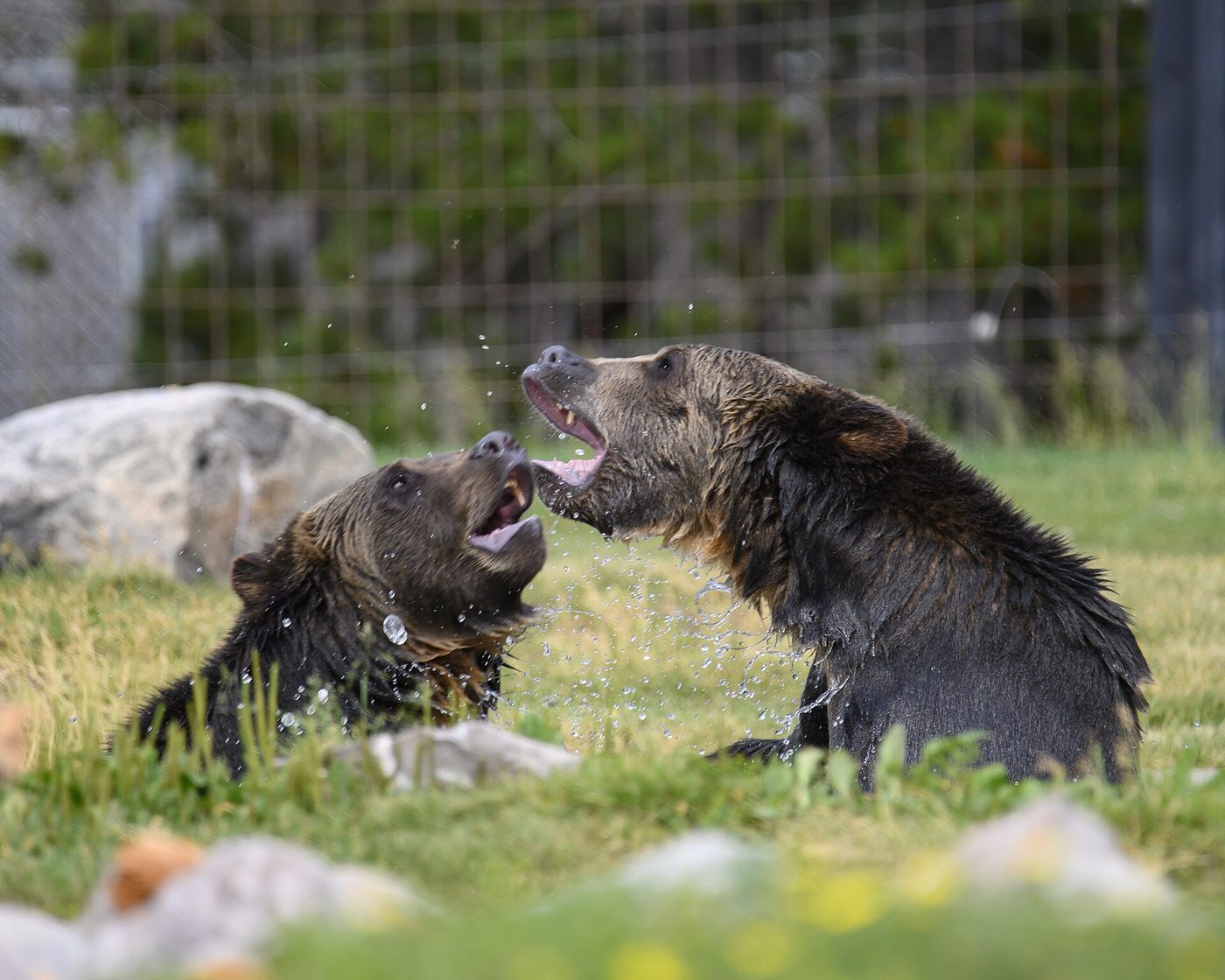
Museum of the Yellowstone. Housed in the old Union Pacific depot, it tells the story of the railroad era, early park tourism, the 1959 earthquake and the 1988 fires. It’s small and inexpensive, and a good 45 minutes if you like history. If you don’t, skip it.
Yellowstone Giant Screen Theatre. A large-format theater showing a Yellowstone film alongside current releases. Honest take: pleasant on a stormy afternoon, but don’t trade daylight in the park for a film about the park.
Playmill Theatre. A long-running summer musical theater with an evening show. It’s a small-town, family-friendly production that fills an evening after a big park day.
Riverside Trail. A flat walking and biking trail that starts at the east end of town near Boundary Street and heads into the park toward the Madison River. It’s one of the few ways to step into Yellowstone on foot without going through the gate by car. In winter it becomes a ski and snowshoe trail.
Rendezvous Ski Trails. On the south edge of town, a network of groomed cross-country ski trails, roughly 35 km, that ranks among the best early-season Nordic venues in the country. In summer the same trails work for mountain biking and running.
Fly fishing. The town sits among some of the most famous trout water in the West: the Madison, Firehole and Gibbon inside the park, plus Hebgen Lake and the Madison below Quake Lake. The town’s fly shops have been guiding here for generations and are worth visiting even if you only need a license and advice. Park fishing rules and seasons are covered in our fishing in Yellowstone guide.
Eating out. You’ll find more restaurants here than in any other gateway except Jackson and Bozeman, from diners and pizza to steakhouses, food trucks and a notable cluster of Chinese restaurants that reflects the town’s international tour-bus traffic. For eating inside the park, see where to eat in Yellowstone.
Events. The calendar follows the seasons: the Yellowstone Ski Festival around Thanksgiving draws Nordic teams, the Rendezvous Ski Race takes over in March, and summer brings rodeo nights, a Fourth of July parade and fishing events. Dates shift year to year, so check Destination Yellowstone, the town’s visitor bureau, before you plan around one.
Driving from West Yellowstone into the park
The West Entrance Road runs from the gate to Madison Junction, 14 miles along the Madison River. It’s one of the prettiest entry drives in Yellowstone, through meadows and burned-and-regrowing lodgepole forest, with the river alongside most of the way. Elk, bison and trumpeter swans are common, and fly fishers wade the riffles at dawn.
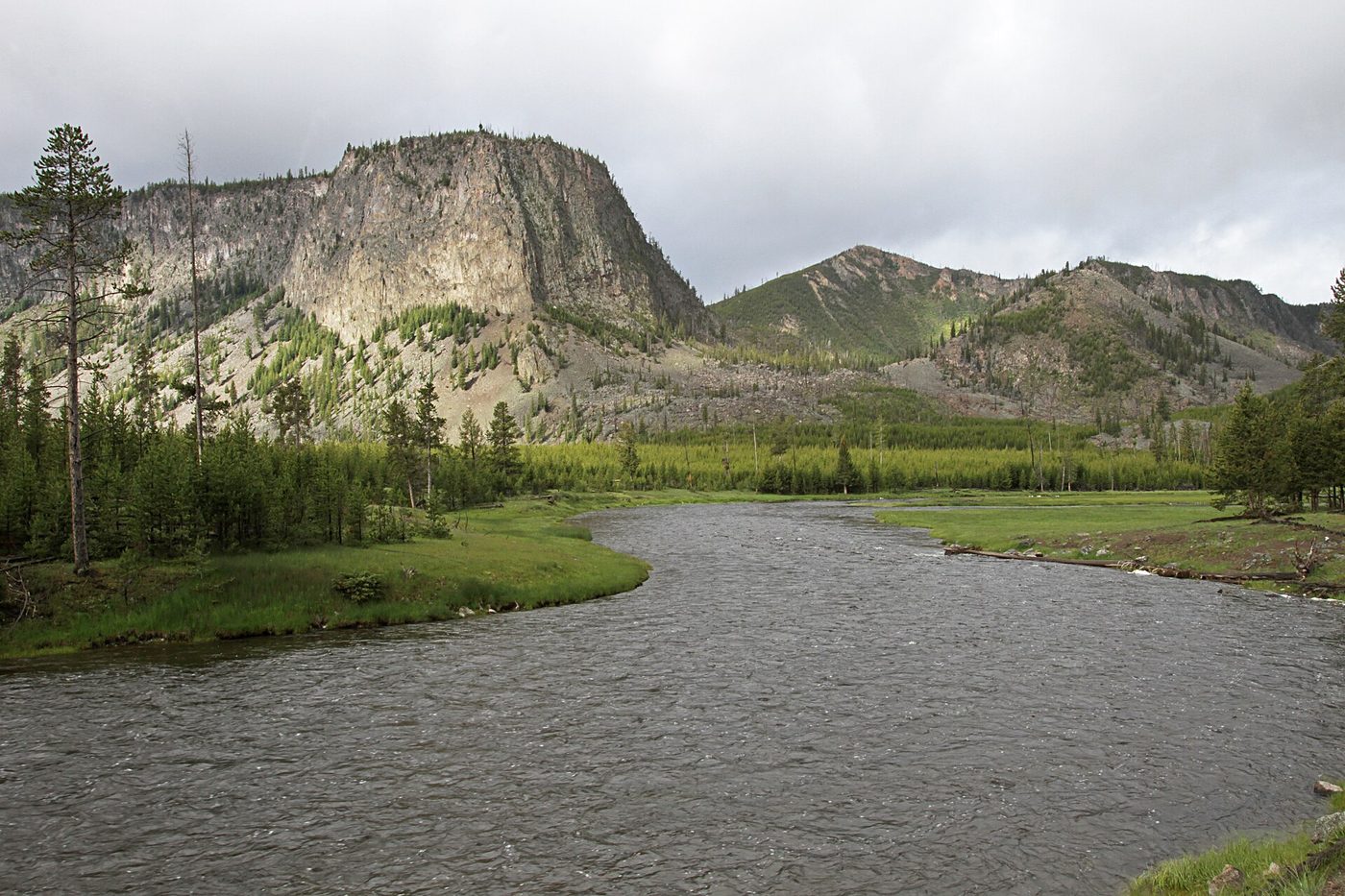
From Madison Junction you turn south toward the geyser basins or north toward Norris. The classic first day from town heads south along the Firehole: Firehole Canyon Drive, Fountain Paint Pot, Midway Geyser Basin for Grand Prismatic Spring, then the Upper Geyser Basin at Old Faithful. Our West Yellowstone to Old Faithful guide lays out the route stop by stop, including what’s closed. Biscuit Basin, for example, has been shut since the 2024 hydrothermal explosion, which also cut the usual route to Mystic Falls.
Beat the queue. In summer, aim to pass the gate before about 8 a.m., or come back through in the late afternoon. Arriving at 10 a.m. in July can mean 30 minutes or more idling on Yellowstone Avenue. An early start also means a parking space at Grand Prismatic, which fills by mid-morning.
Pay in advance. The entrance fee covers seven days in a private vehicle, and non-US residents aged 16 and over now pay an additional $100 per person unless admitted with an annual pass (checked September 2026). The full breakdown, including passes and free days, is on our Yellowstone entrance fee page. Having a pass on your phone or in hand doesn’t skip the line, but it does speed up your turn at the window.
Fuel and food. Gas in town is usually cheaper and quicker than inside the park. Fill up the night before, pack lunch from a grocery in town, and you won’t need to queue at Old Faithful’s cafeterias at noon.
Watch for spring and fall changes. The West Entrance road opens to cars in mid-April and closes to cars at the start of November, with an oversnow season from mid-December. Between those, there are weeks when the road is closed to cars entirely. Check our road closures guide before an early or late trip.
Hebgen Lake and Quake Lake
Just outside town, two lakes tell one of the most dramatic stories in the Northern Rockies.
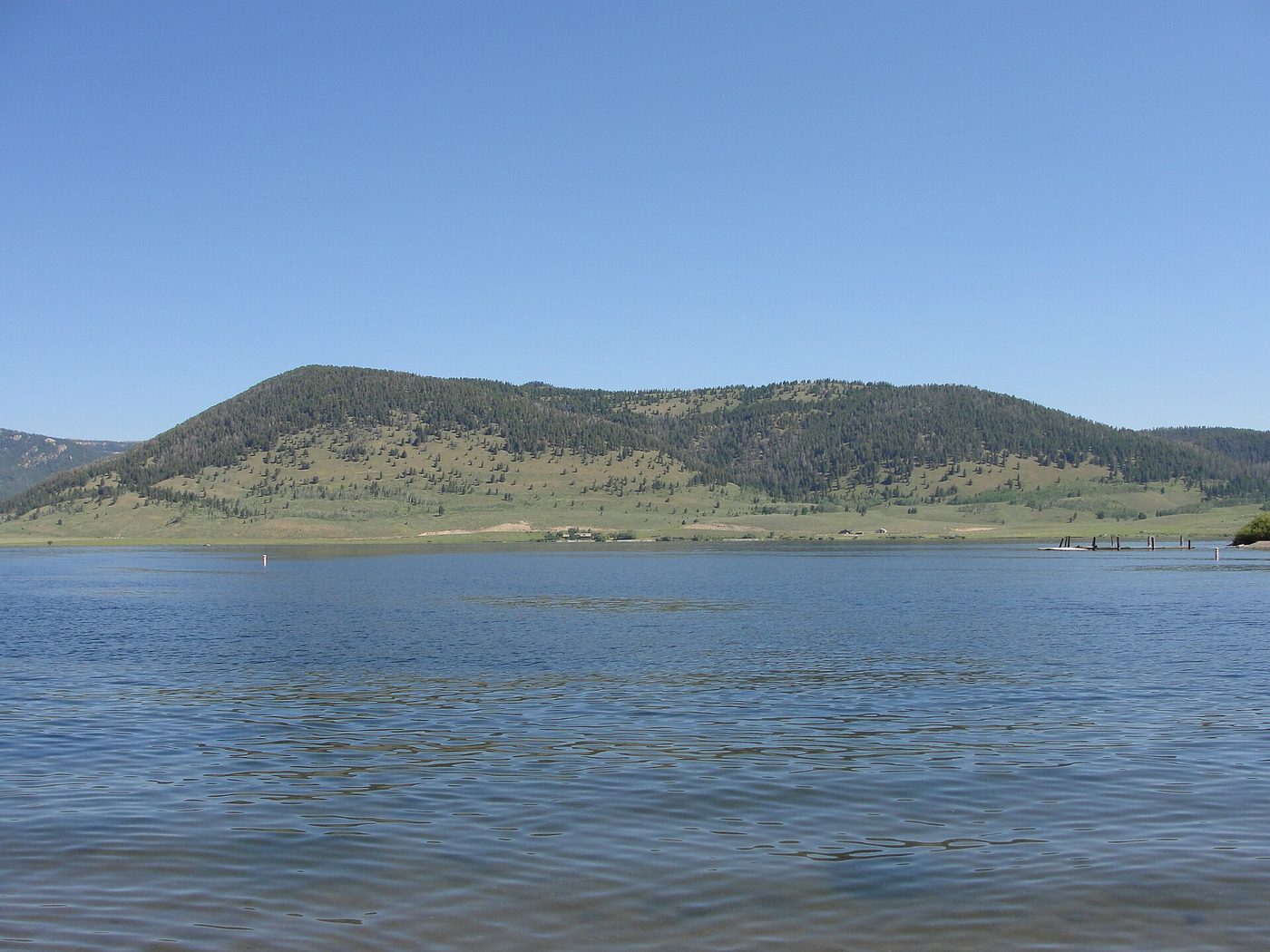
Hebgen Lake is a reservoir on the Madison River that starts about 8 miles north of town. It’s big, around 15 miles long, with Forest Service campgrounds, boat ramps, a couple of lakeside lodges and marinas. Anglers know it for its summer “gulper” fishing, when trout sip mayflies off the calm surface at dawn. If you’ve had enough of geysers and crowds, a morning at Rainbow Point or on the lake’s north shore is quiet in a way the park rarely is in July. Our Hebgen Lake guide covers access, camping and fishing.
Quake Lake (officially Earthquake Lake) formed in minutes. Shortly before midnight on August 17, 1959, a magnitude 7.3 earthquake shook the Hebgen Lake area. A mountainside collapsed into the Madison River canyon below the Hebgen Dam, burying part of the Rock Creek campground and damming the river. Twenty-eight people died. The river backed up behind the slide and created a new lake nearly 190 feet deep and about six miles long, its surface still spiked with drowned trees.
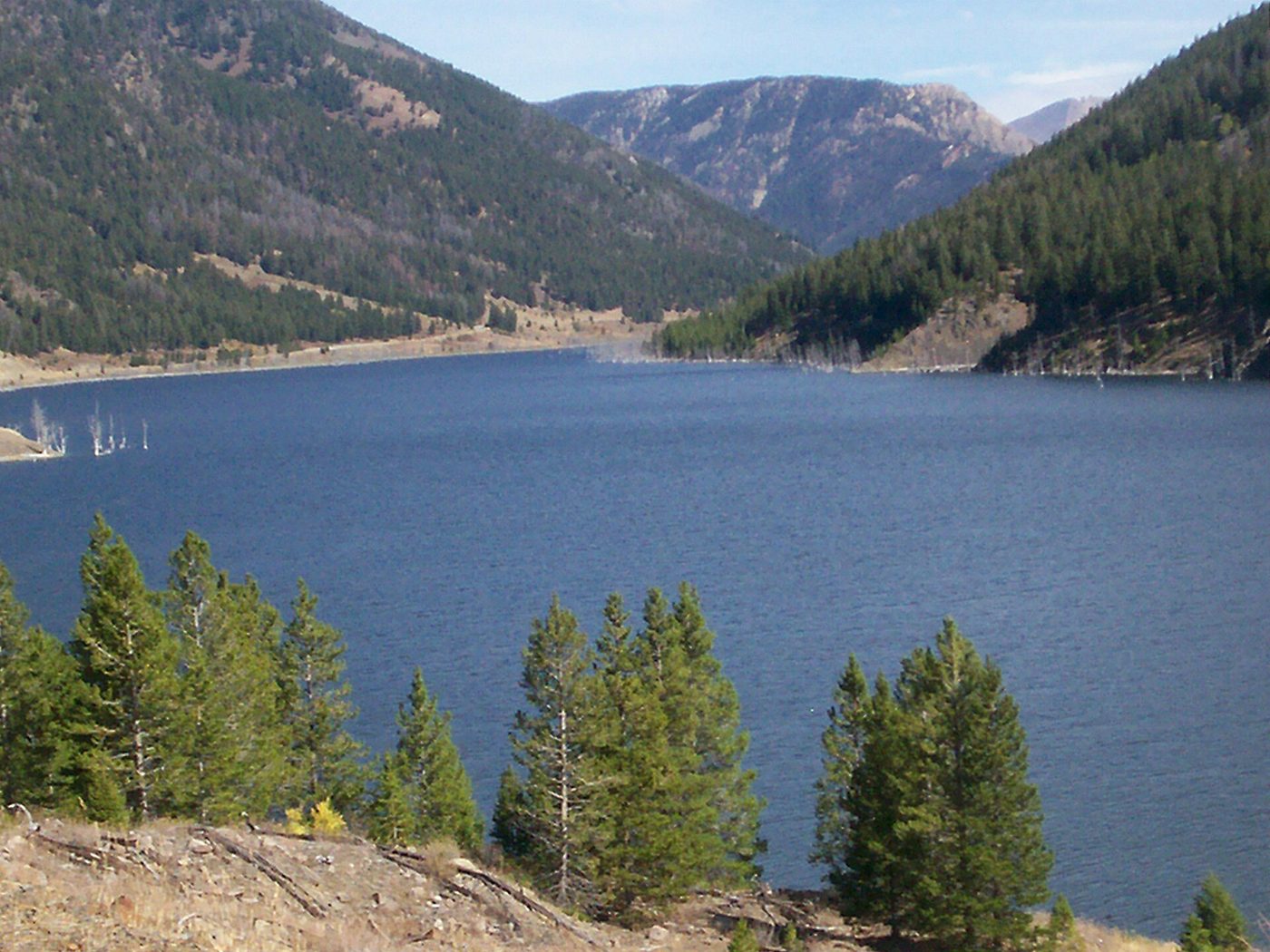
The Forest Service’s Earthquake Lake Visitor Center sits above the slide about 27 miles from town, open in summer, with views of the scar and exhibits on the night of the quake. It’s the one half-day trip out of town that nearly everyone rates highly, and the drive along Hebgen Lake to get there is lovely. Read our full Quake Lake guide before you go.
West Yellowstone through the seasons
The town lives two separate lives: a summer car town and a winter snow town, with quiet shoulder months in between when half the town takes a breather. The table gives the broad pattern; the month-by-month detail for the park is in our best time to visit Yellowstone guide.
| Season | What’s happening | Crowds and prices | Verdict |
|---|---|---|---|
| Mid-April to May | West Entrance to Old Faithful open to cars; snow on the ground in town; bison calves; some businesses still closed | Low; bargain rates | Great for geysers and wildlife if you pack for cold |
| June to August | Everything open; WYS flights; rodeo, theater and events | Peak; gate lines; highest rates | Best for first visits; book early and start early |
| September to mid-October | Elk rut along the Madison; clear, cold mornings | Falling through the month | Many regulars’ favorite time; flights end mid-October |
| Late October to mid-December | Park roads closing, then closed to cars; town very quiet; Nordic skiers arrive in November | Very low; many places shut | Only for skiers or those passing through |
| Mid-December to mid-March | Snowmobile and snowcoach tours to Old Faithful; groomed ski trails | Busy on holidays and weekends | Worth it for a true winter Yellowstone experience |
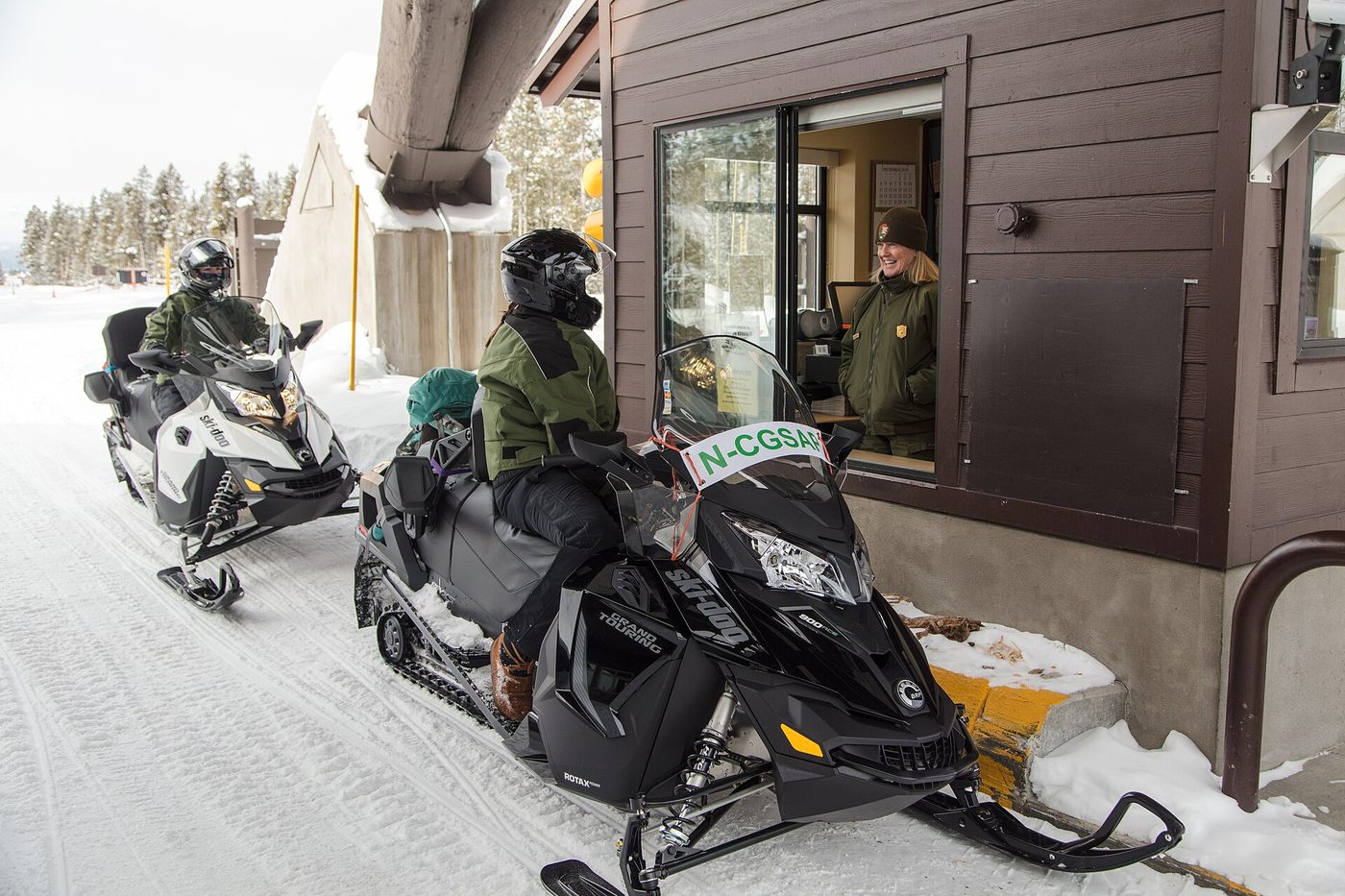
Winter deserves its own note. From mid-December to mid-March, the road from the West Entrance to Old Faithful is groomed for oversnow travel only. The town is the main hub for guided Yellowstone snowmobile tours and snowcoach trips into the geyser basins, and it has the widest choice of operators. Temperatures well below zero at dawn are normal. Our West Yellowstone in winter guide covers what’s open in town, and the broader Yellowstone in winter guide explains the park’s winter season and your options.
Weather is cooler here than many people expect. The park’s own monthly averages run from highs near 80°F and lows in the mid-40s in July to highs around 30°F and lows near 10°F in December, and the town’s high, flat valley traps cold air overnight (checked September 2026). Even in August, bring a warm layer for 6 a.m. starts.
How does West Yellowstone compare with Gardiner?
West Yellowstone is closer to the geyser basins and has far more lodging, food and services. Gardiner, at the North Entrance, is smaller and more scenic, sits beside Mammoth Hot Springs, stays reachable by car all winter, and is much closer to Lamar Valley’s wildlife. Choose by which half of the park matters most.
A side-by-side makes the choice clearer:
| West Yellowstone | Gardiner | |
|---|---|---|
| Closest park highlights | Old Faithful, Grand Prismatic, Norris | Mammoth Hot Springs, Lamar Valley, Tower |
| Drive to Old Faithful | about 1 hour | about 2 hours |
| Drive to Lamar Valley | 2.5 hours+ | about 1 hour to 1 h 15 min |
| Lodging supply | Largest of any gateway | Much smaller; sells out sooner |
| Town feel | Busy, practical grid | Small river town at the Roosevelt Arch |
| Winter car access into park | No (oversnow only) | Yes, road to Cooke City open year-round |
| Nearest big airport | Bozeman, about 90 mi | Bozeman, about 80-90 mi |
For a first trip of four nights or more, the best answer is often both: two nights in West Yellowstone, two in Gardiner or Canyon. Our West Yellowstone vs Gardiner guide weighs the details, including how to route between them.
A first day from West Yellowstone
If you have one day based here and you’ve never been to Yellowstone, this is the day to have.
- 6:30 a.m. Breakfast in your room or a quick coffee in town. Fuel is already in the tank from last night.
- 7:15 a.m. Through the West Entrance ahead of the queue. Drive slowly along the Madison and watch for elk in the meadows.
- 8:00 a.m. Grand Prismatic Spring at Midway Geyser Basin. The boardwalk is often steamy early; if you want the colors from above, walk the overlook trail from the Fairy Falls trailhead later in the morning, once the air warms. Details are on our Grand Prismatic Spring guide.
- 9:30 a.m. Fountain Paint Pot, then Firehole Lake Drive if it’s open.
- 11:00 a.m. Old Faithful. Check the next predicted eruption time at the visitor education center, watch it, then walk the Upper Geyser Basin loop toward Morning Glory Pool and back. Our Old Faithful guide explains the prediction window and the geysers worth waiting for.
- 2:30 p.m. Late lunch, then head north past Madison Junction to Norris Geyser Basin if you still have energy.
- 5:30 p.m. Back toward town, stopping along the Madison for evening wildlife.
- 7:00 p.m. Dinner in town, maybe the Grizzly & Wolf Discovery Center if you arrive before last entry.
That route keeps you inside an hour of your bed all day and avoids the midday gate line in both directions.
Practical information
Groceries and supplies. The town has proper grocery stores, not just convenience shops, plus outdoor-gear stores that sell and rent bear spray. Stock up here: prices inside the park are higher and selection is thinner.
Gas. Several stations in town. Inside the park, the nearest fuel is at Old Faithful. Stations in the park offer 24-hour card fueling year-round (checked September 2026).
Cell service and Wi-Fi. Good in town. Inside the park, coverage is patchy: expect a signal around Old Faithful and some developed areas, and none along long stretches between them. Download maps and the NPS App before you leave the motel.
Medical care. There’s a medical clinic in town; the nearest hospitals are in Bozeman and Idaho Falls, each around two hours away. Inside the park, the Old Faithful and Lake clinics operate in summer.
Visitor information. The West Yellowstone Visitor Information Center on Yellowstone Avenue is run by the chamber with an NPS desk in season. It’s the place to ask about road status and what’s closed before you enter.
Pets. Pets are allowed in town and at most motels (for a fee), but inside the park they’re restricted to developed areas and roads, within 100 feet of your vehicle, and never on boardwalks or trails. There are no kennels inside the park, so a boarding kennel in town is your option if you want to walk the geyser basins.
Safety. Bison wander the West Entrance Road and even the edge of town in some seasons. Stay at least 25 yards from bison and elk and 100 yards from bears and wolves. Our Yellowstone safety guide covers wildlife and thermal-area rules properly.
Beyond town: Island Park and the Gallatin
The town also works as a base for the country around the park, which a lot of visitors never see.
Gallatin Canyon runs north toward Big Sky and Bozeman along US-191, one of Montana’s classic river drives, with rafting, trailheads and the Big Sky resort area about an hour from town. It’s the route most Bozeman arrivals drive in on. Our Gallatin Canyon guide covers the stops.
Island Park, Idaho starts about 10 miles southwest over Targhee Pass. It’s a spread-out cabin and fishing community along US-20, with Henry’s Fork trout water, Harriman State Park and the Big Springs area. It’s quieter and sometimes cheaper for rentals, but you give up the walk-to-the-gate convenience.
Red Rock Lakes National Wildlife Refuge, about 50 miles west on largely unpaved roads, is a remote refuge known for trumpeter swans. It’s a long, dusty day trip that only makes sense for dedicated birders.
If you’re chaining these into a longer trip, our Yellowstone road trip guide shows how the gateway towns link together.
Frequently asked questions
How far is West Yellowstone from the park entrance?
The West Entrance station is less than a mile from downtown West Yellowstone. From most hotels you’ll reach the gate in two to five minutes without a queue. In summer, allow extra time between roughly 9 a.m. and early afternoon, when the line can extend back into town.
Is West Yellowstone, Montana, a good place to stay?
Yes, if your priority is Old Faithful, Grand Prismatic Spring and the other geyser basins, or if you’re visiting in winter for snowmobile and snowcoach trips. It’s a poor base for Lamar Valley and Mammoth, which are 1.5 to 2.5 hours away. Many visitors split their nights.
How far is West Yellowstone from Old Faithful?
About 30 miles, via Madison Junction. Without stops, it’s around 50 to 60 minutes in summer, but wildlife jams and traffic can stretch that. In winter, the road is groomed for snowmobiles and snowcoaches only, so you’ll need a guided tour or permit.
What is the population of West Yellowstone?
The 2020 census counted 1,272 residents. In summer, the town’s population multiplies with seasonal workers and thousands of overnight visitors each night, which is why the grocery stores, restaurants and gas stations feel far busier than a town of that size should.
Is there an airport in West Yellowstone?
Yes. Yellowstone Airport (WYS) is about 2 miles north of town and offers seasonal commercial flights, roughly early May to mid-October, to Salt Lake City and Denver. Outside that window, fly into Bozeman or Idaho Falls and drive.
Can you visit West Yellowstone in winter?
Yes. The town stays open and busy from mid-December to mid-March as a hub for guided snowmobile and snowcoach tours to Old Faithful, plus cross-country skiing on the Rendezvous trails. You can’t drive your own car into the park from here in winter.
What is West Yellowstone’s elevation?
West Yellowstone sits at 6,667 feet. That altitude explains the cold nights even in summer and the long, snowy winters. Drink more water than usual and take the first day easy if you’re coming from sea level.
Sources
- National Park Service: Yellowstone directions and transportation, checked September 2026
- National Park Service: Yellowstone park roads, checked September 2026
- National Park Service: Yellowstone fees and passes, checked September 2026
- USDA Forest Service: Custer Gallatin National Forest
- U.S. Geological Survey: 1959 Hebgen Lake earthquake
- U.S. Census Bureau: West Yellowstone town, Montana
Image credits
| Photo | Credit |
|---|---|
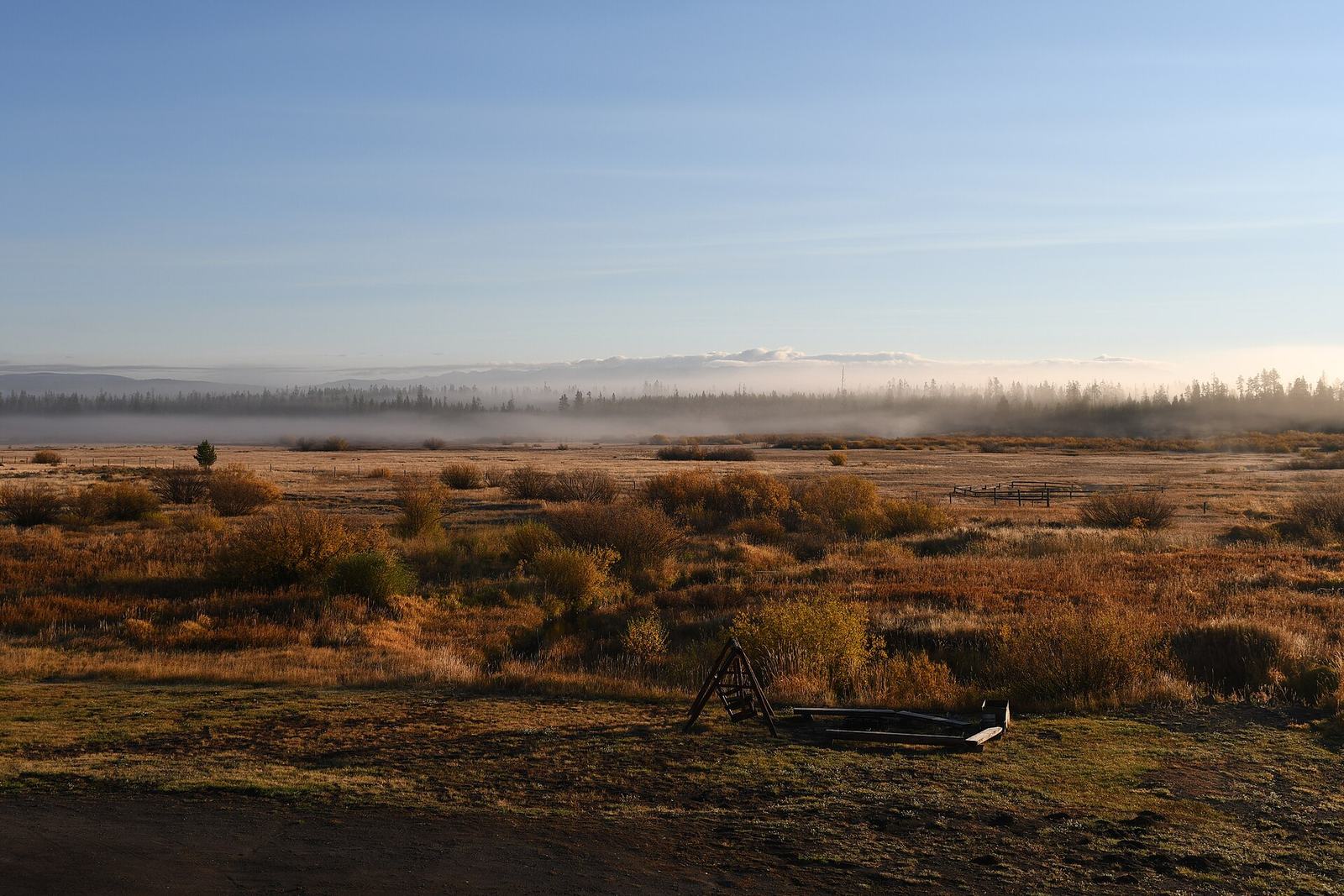
| Late-September dawns on the flats around town are often below freezing (top of page) | LMarianne, CC BY-SA 4.0, via Wikimedia Commons |
| The summer line at the West Entrance, the park’s busiest gate | Yellowstone National Park from Yellowstone NP, USA, public domain, via Wikimedia Commons |
| Canyon Street is the town’s main commercial strip and part of US-191 | Dietmar Rabich, CC BY-SA 4.0, via Wikimedia Commons |
| The discovery center sits on Canyon Street beside the park entrance | Sesamehoneytart, CC BY-SA 4.0, via Wikimedia Commons |
| The resident bears cannot be released back into the wild | lwolfartist, CC BY 2.0, via Wikimedia Commons |
| The Madison River runs beside the West Entrance Road most of the way to Madison Junction | Yellowstone National Park from Yellowstone NP, USA, public domain, via Wikimedia Commons |
| Rainbow Point on Hebgen Lake, a short drive north of town | Mwest85, CC BY 3.0, via Wikimedia Commons |
| The 1959 landslide dammed the Madison and created this lake in minutes | Staplegunther at English Wikipedia, CC BY-SA 3.0, via Wikimedia Commons |
| In winter the West Entrance is open only to snowmobiles and snowcoaches | Jacob W. Frank, public domain, via Wikimedia Commons |
| The park boundary runs along the east edge of town | Dietmar Rabich, CC BY-SA 4.0, via Wikimedia Commons |