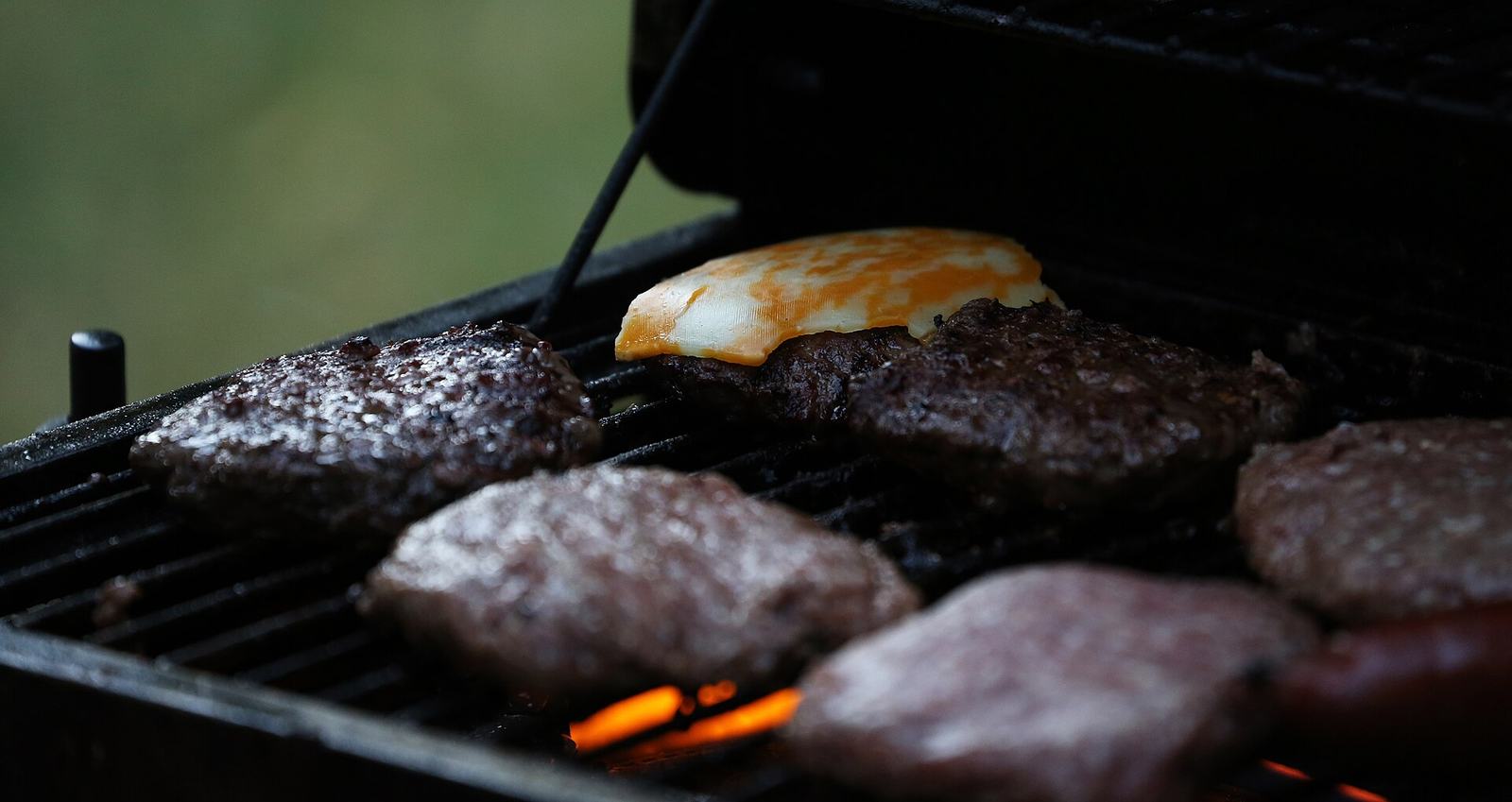
West Yellowstone restaurants have one job that matters more than any other: feeding you at 6:15 in the morning so you can be on a boardwalk at Midway Geyser Basin before the coaches arrive, and feeding you again at nine at night when you get back. The town’s local directory lists around 30 food businesses, which for a place of about 1,200 permanent residents is a lot, and the quality runs from genuinely good to precisely what you would expect from a tourist town in July.
This page sorts them by meal and by purpose, says which ones are worth planning around, which close out of season, and what a dinner here actually costs. For the wider food picture, including the in-park dining rooms and their reservation rules, see our guide to where to eat in Yellowstone. Checked September 2026.
What eating here is actually like
Three things shape the experience and none of them appear on a menu.
Everything queues between 6:30 and 8:00 p.m. The whole town comes off the park at the same time, and the popular places do not take reservations. Eat at five or eat at nine, and you will wait ten minutes instead of fifty.
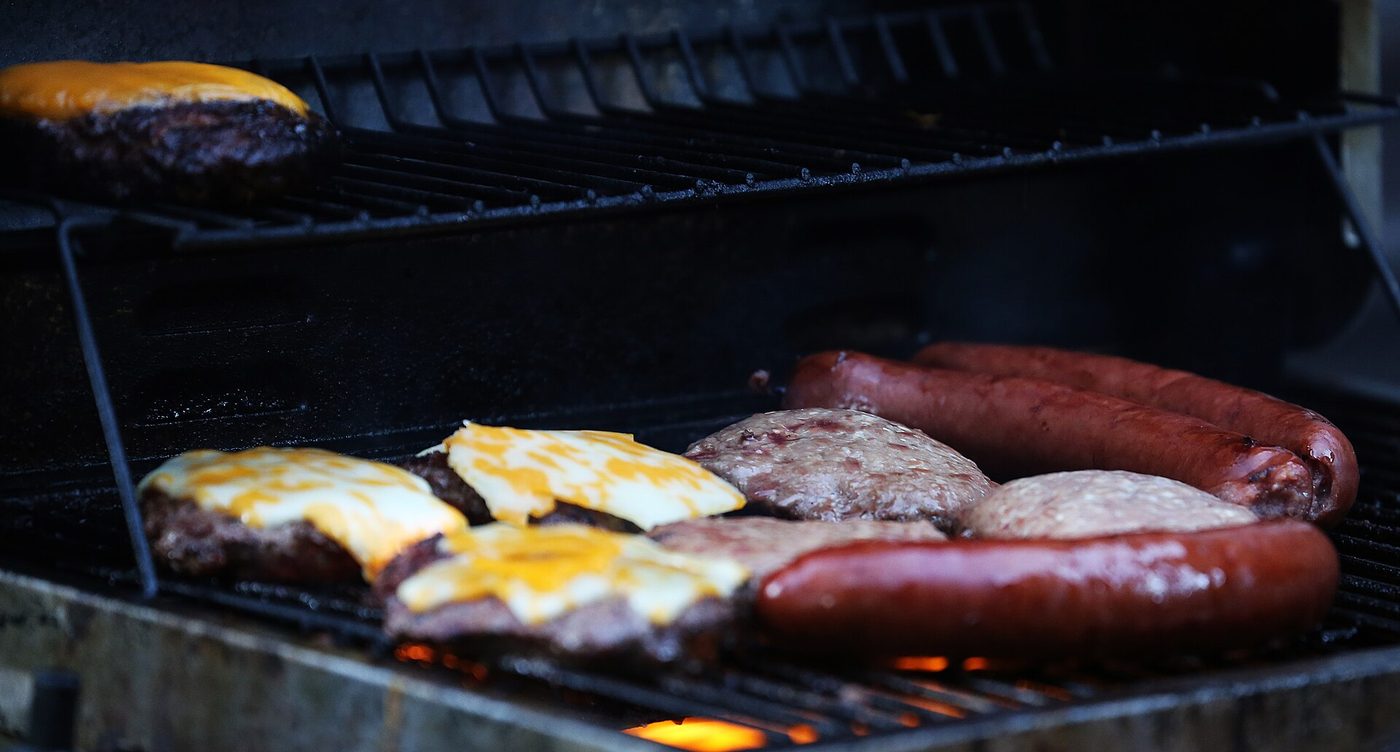
Portions are large and prices are high. A sit-down main course in July generally runs $20 to $38, with steaks and the better fish dishes above that. This is national-park-town pricing, and it applies whether the room is smart or not.
Seasonality is severe. A meaningful share of the town’s restaurants close or cut to reduced days outside roughly May to October, and several of the best ones are warm-season only. In April and November, check before you drive somewhere.
What West Yellowstone does well: bison in every form, big American breakfasts, trout, decent regional beer, and a few surprises that have no business being in a town this size. What it does less well: anything delicate, anything quick at peak time, and anything you would call a wine list.
A fourth thing worth saying, because it is the most common complaint in reviews and it is mostly unfair. Service here is slower than you are used to, particularly in July and August, and that is a staffing problem rather than an attitude problem. West Yellowstone’s summer workforce is largely seasonal and largely housed in accommodation that barely exists, so kitchens run short. Go in expecting a 20-minute wait for food at peak and you will have a perfectly good evening. Go in expecting city turnaround and you will be annoyed for a week.
Dietary requirements are handled better than the menus suggest. Vegetarian options exist almost everywhere, though they are frequently one option rather than a section, and the kitchens will generally work around a gluten or dairy issue if you tell them when you order rather than when the plate arrives. Vegan eating is harder and worth planning: buy the makings of a few meals at the supermarket rather than relying on finding something at nine at night.
Where to eat, by meal
| Meal | Go to | Why |
|---|---|---|
| Very early breakfast | Running Bear Pancake House | Long-running family pancake house, established 1965 |
| Coffee and something baked | Freeheel & Wheel Espresso Bar | Espresso bar attached to a bike and ski shop |
| Quick lunch | Taqueria Las Palmitas | Taco bus with seating inside and out |
| Casual dinner with a crowd | The Buffalo Bar | Bison tacos, burgers, salads and sausage; local beer |
| A proper dinner out | Madison Crossing Lounge | The closest thing the town has to fine dining |
| Something unexpected | Café Madriz | Spanish, with a Spanish owner-chef; warm season only |
| Dinner worth a drive | Bar N Ranch Restaurant | Six miles out on a 200-acre working ranch; warm season only |
| Mexican and American, any time | Timberline Cafe | Broad menu, reliable, handles a family well |
| Comfort food | Outpost Restaurant | Straightforward Montana cooking |
| Late and local | Old Town Cafe | Family-run restaurant, bar and casino |
| Something different | Black Sheep Café | Native American and Southwestern influences |
Hours and seasons change; this is a snapshot from September 2026, and some of these places genuinely do shut for the winter.
Breakfast, and why it decides your day
If you take one piece of advice from this page, take this one: sort out breakfast before you arrive. The entire strategy for a West Yellowstone stay depends on being through the entrance station before the queue builds at about 8:30, and a hotel breakfast that starts at 7:30 makes that impossible.
Running Bear Pancake House has been doing this since 1965 and is the town’s institution. Family-style, homemade baked goods, pancakes that arrive in quantities that surprise people who thought they were hungry. It opens early, it fills fast in summer, and there will be a wait by eight o’clock.
Freeheel & Wheel is the coffee answer rather than the breakfast answer: an espresso bar inside a bike and ski shop, with proper coffee and pastries, and a considerably shorter wait than anywhere serving eggs. If you want caffeine and a pastry on the way to the gate at 6:45, this is the play.
Hotel breakfasts are worth checking when you book your room rather than after. Several of the town’s larger hotels run a hot buffet from 6:30 a.m., which for a family is both cheaper and faster than a restaurant. Our guide to where to stay in West Yellowstone covers which ones.
The best option of all, and the one the regulars use: buy pastries, fruit, yoghurt and a flask the evening before, and eat in the car at a pullout on the Madison River while the fog lifts off the water and the elk come down to drink. No restaurant in town can compete with that, and it costs six dollars.
One note for anyone who does want a sit-down breakfast in peak season: go at opening or go at ten. The pancake houses fill between 7:30 and 9:30 with people who have decided to have a leisurely start, and a 45-minute wait for eggs on a July morning is a genuinely bad trade when Grand Prismatic is empty at 7:15 and heaving by 10:00.
Lunch, and the case for not coming back for it
Driving back to town for lunch costs you an hour of park time each way from most of the geyser basins, which is a poor trade on a short trip. The better plan is to take lunch with you — the general stores inside the park sell sandwiches, and the picnic areas along the Firehole and the Madison are excellent — and save your restaurant meals for breakfast and dinner.
When you are in town at midday:
Taqueria Las Palmitas is a taco bus with seating in the bus itself and outside when the weather allows. It is quick, it is cheap by local standards, and it is consistently the thing people mention when they come back from West Yellowstone.
The Buffalo Bar does a full menu through the day and is the default when a group cannot agree. Bison tacos, bison burgers, bison sausage, plus salads and steaks and a decent tap list.
Timberline Cafe covers Mexican and American in one menu, which sounds like a compromise and works better than it should for a table with children and adults who want different things.
Dinner: the sit-down options
Madison Crossing Lounge is the fine-dining answer, with appetizers, salads, entrees and desserts that are trying harder than anywhere else in town. It is the place to book for an anniversary or a last night. Expect $28 to $45 for a main.
Bar N Ranch Restaurant sits six miles out of town on a 200-acre working ranch, and treats elk, bison and fish with genuine ambition. It is a warm-season operation and it is the one restaurant here that would hold its own in a larger town. Worth the drive; book ahead if they will take a booking.
Café Madriz is Spanish, run by a Spanish owner-chef, and open in the warm season only. In a town of bison burgers this is a genuine curiosity and a good one. Small, so go early.
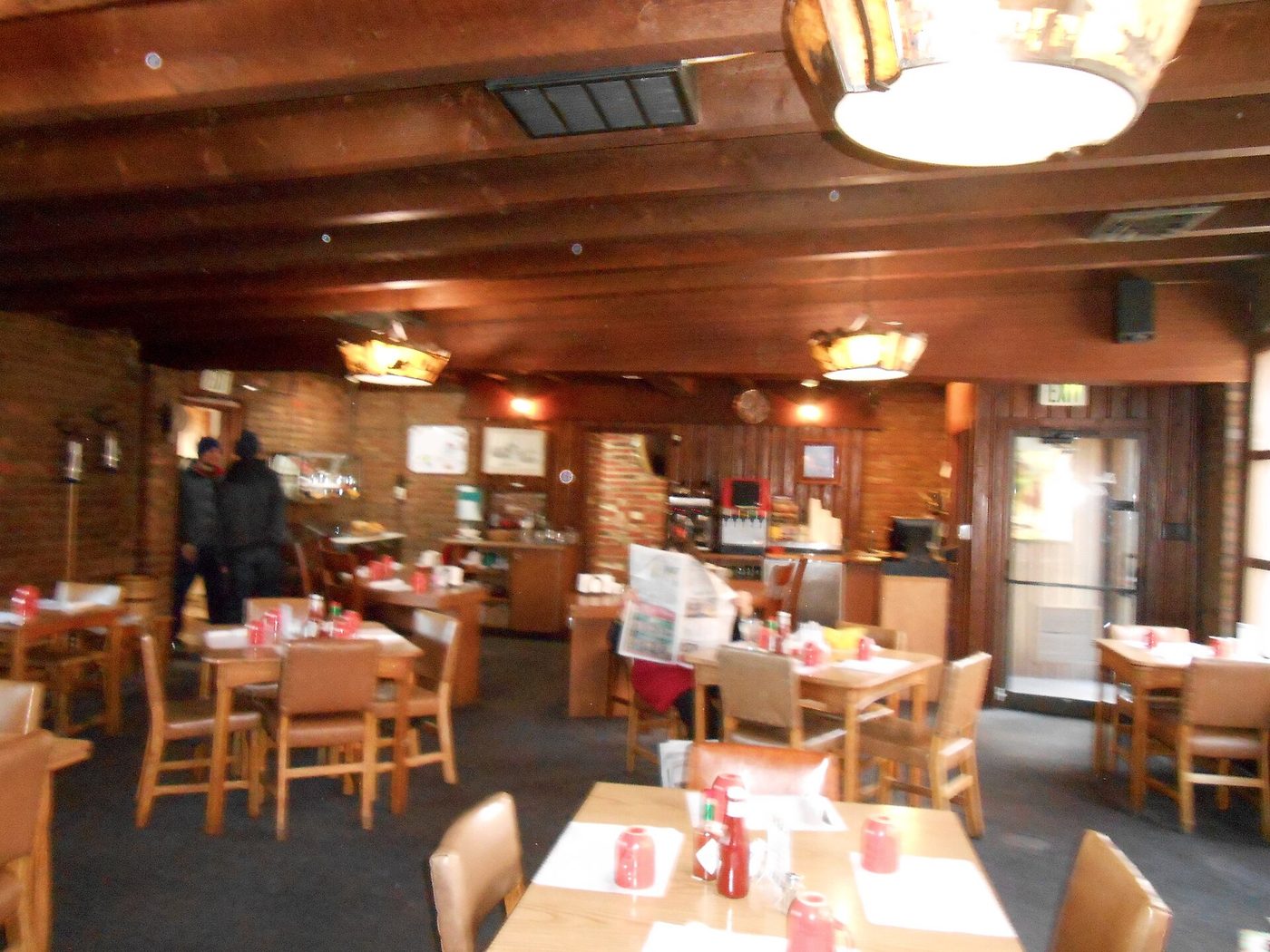
The Buffalo Bar is the noisy, reliable, everyone-is-welcome option: game-themed decor, big plates, local beer, and enough tables to absorb a rush. It is the place we would send a family of six on a Friday night in July.
Black Sheep Café, with Native American and Southwestern influences, and Outpost Restaurant, doing straightforward Montana comfort cooking, both sit in the reliable middle. Old Town Cafe combines a restaurant, a bar and a casino, which is more normal in Montana than it sounds and makes it a decent late option.
On beer, Montana punches well above its population and the taps in West Yellowstone reflect that. You will find beers from Bozeman, Billings, Missoula and the Gallatin Valley on most lists alongside the national brands, and asking for whatever is local is a reliable strategy. Note that Montana bars and restaurants stop serving alcohol at 2:00 a.m., which is later than anything in this town stays open anyway.
On dress, there is no dress code anywhere in West Yellowstone, including at the fine-dining end. People come off the trail and eat in the clothes they hiked in, and nobody minds. That is true inside the park as well, with the partial exception of the historic hotel dining rooms, where you will feel more comfortable in something clean.
Bison, elk and trout: what to order
The honest guidance on the regional specialities, because visitors ask and the internet is confused about it.
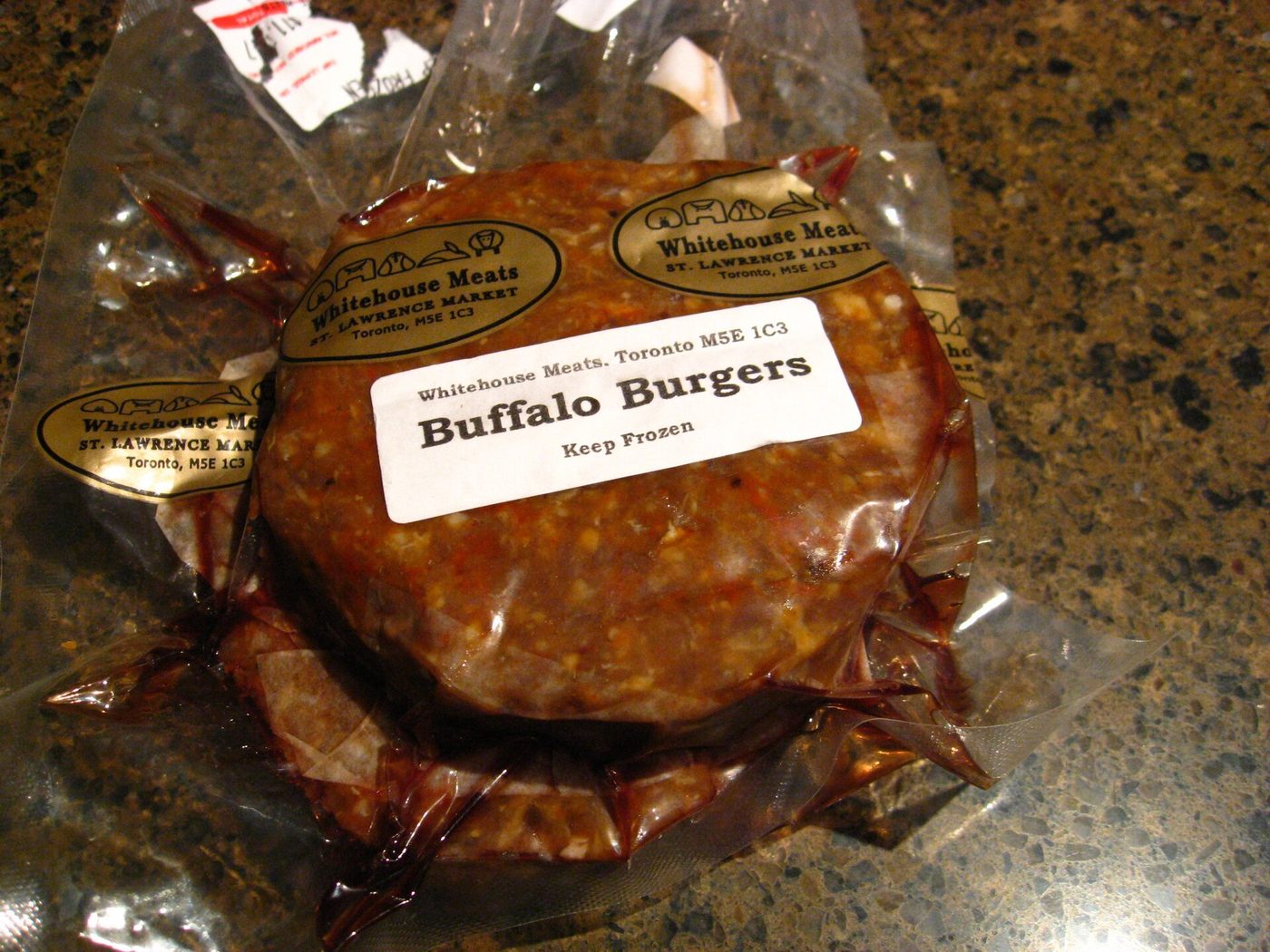
Bison is the thing to try, and it is farmed bison, not park animals — every bison served in Montana comes from a ranch, and the park’s wildlife is fully protected. It is leaner and slightly sweeter than beef, it dries out if overcooked, and the best version in town is generally a burger rather than a steak. Ask for it medium rather than well done.
Elk appears on a handful of menus and is also farmed or sourced from licensed operations. It is stronger than bison and closer to venison. Good, if you like game.
Trout is the local fish and the best of it is cooked simply. Note that trout on a Montana menu is usually farmed rainbow, not something somebody caught in the Madison that morning — the park’s cutthroat are strictly catch-and-release, and the rules that govern that are on our fishing in Yellowstone page.
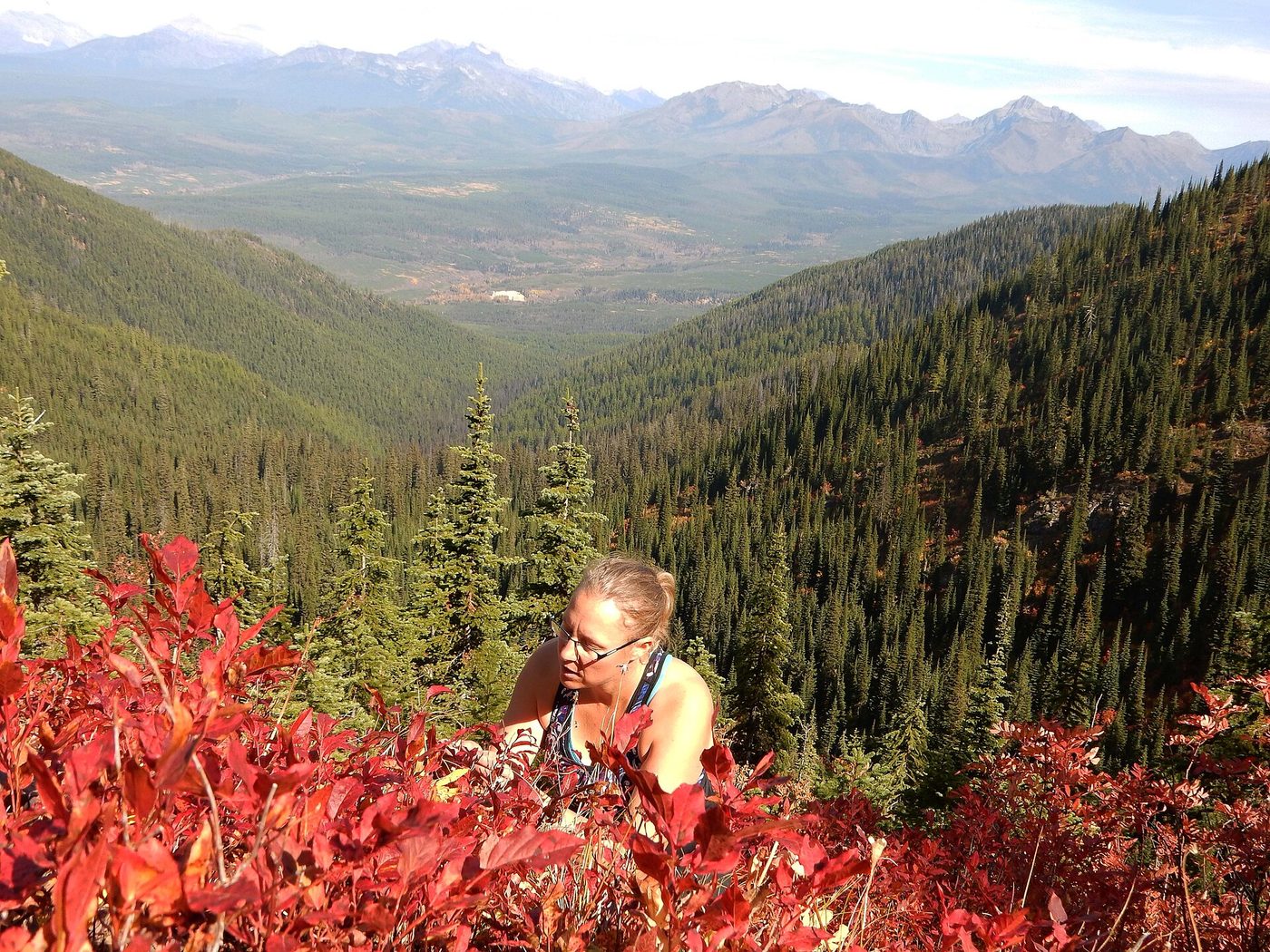
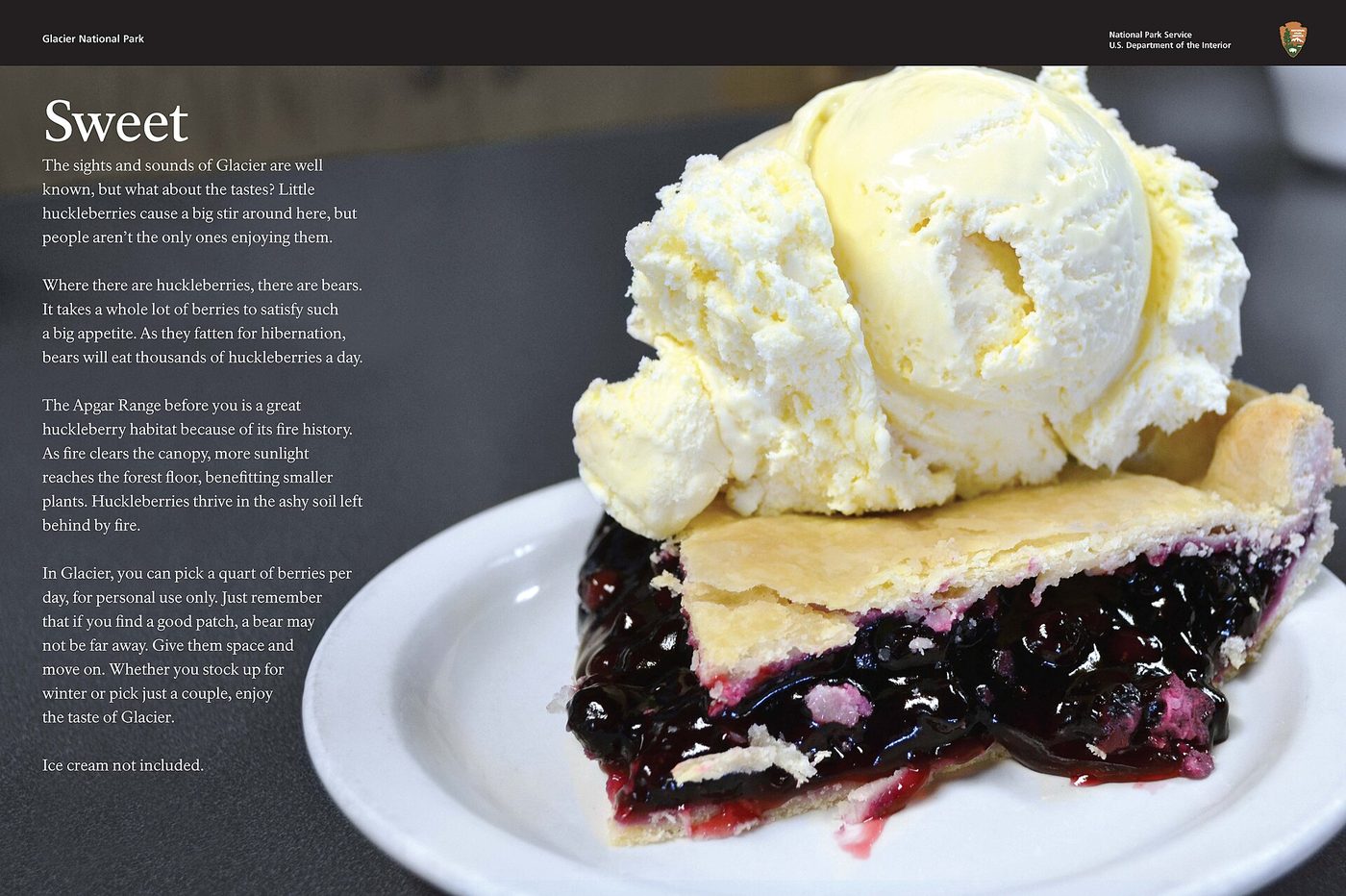
Huckleberry is the regional flavour and it is everywhere: ice cream, milkshakes, jam, pie, beer, and a certain amount of tourist tat. Genuine huckleberries are wild, hand-picked and expensive, so a cheap huckleberry product is usually flavouring. The ice cream is worth it anyway.
Two things not to order. The first is seafood that has travelled a very long way to reach a mountain town at 6,700 feet; it exists on several menus and it is never the best thing on them. The second is a well-done bison steak, which is a waste of an expensive piece of meat and of everyone’s time.
And one piece of etiquette worth knowing. Do not ask whether the bison on the menu came from the park. It is a question staff here field several times a week, the answer is always no, and Yellowstone’s bison are federally protected wildlife. The herds you photograph in Hayden Valley and the animals on the menu have nothing to do with each other.
Groceries and self-catering
West Yellowstone has two supermarkets, which makes it the best-provisioned of the gateway towns and a good place to stock up before a stretch of camping or in-park lodging.
Practical notes:
- Buy tonight, not tomorrow. The stores close earlier than you expect, and 7:00 a.m. is not a shopping window here.
- Prices are 20 to 30 per cent above a supermarket in Bozeman. If you are driving from the airport, shop there instead.
- Ice and firewood are widely available; do not bring firewood in from out of state.
- The in-park general stores at Canyon, Old Faithful, Grant, Mammoth, Fishing Bridge and Lake sell sandwiches, snacks and basics at higher prices again, but they save you an hour of driving.
- A cabin or rental with a kitchen changes the economics of a week-long stay substantially. Two adults and two children eating out twice a day here will spend well over $150 daily.
- A cool box is the single best thing you can bring. Yellowstone days are long, the drive between food outlets inside the park is measured in hours, and being able to produce a decent lunch at a pullout in Hayden Valley rather than driving to Canyon for a cafeteria queue is worth an hour of your day, every day.
- Bear rules apply to your food in the park. Do not leave a cool box, a picnic bag or anything scented unattended at a pullout or a picnic area, and never in an open vehicle. The full rules are on our Yellowstone safety page.
What does dinner cost in West Yellowstone?
Sampled in September 2026, for a summer evening:
| What | Typical price |
|---|---|
| Taco bus lunch | $12–$18 |
| Bison burger and a beer | $25–$35 |
| Pub main course | $20–$32 |
| Fine-dining main | $28–$45 |
| Family of four, casual dinner with drinks | $110–$170 |
| Breakfast for two | $30–$45 |
| Coffee and a pastry | $8–$12 |
Add tax and a tip of 18 to 20 per cent, which is the local norm and is not included in the menu price. Some establishments add an automatic service charge for larger parties — check the bill rather than assume.
Compared with eating inside the park, town prices are broadly similar for a sit-down meal and considerably better for anything quick. The in-park dining rooms range from about $18 to $60 a head depending on the venue, with the historic hotel dining rooms at the top of that.
Ways to spend less without eating badly:
- Eat your big meal at lunch rather than dinner where a restaurant runs a lunch menu. The food is often the same and the price is not.
- Skip the drinks. A round of four in West Yellowstone costs more than a main course, and the mark-up on wine is steep.
- Split the large plates. Portions here genuinely are large, and two adults sharing a main plus a starter is a normal and unremarked thing to do.
- Use the supermarket for breakfast and lunch and restaurants only for dinner. On a five-night stay for four people that alone saves several hundred dollars.
Do you need reservations?
Mostly no, and that is the problem. Very few West Yellowstone restaurants take bookings, so the queue is the system. The exceptions are the higher-end places — Madison Crossing Lounge and Bar N Ranch are the ones to call ahead for — and large groups, which most places will try to accommodate with notice.
That makes timing your main tool:
- 5:00 to 5:45 p.m. is the sweet spot. Rooms are half empty and you still get a full evening in the park afterwards, because the light does not go until nine in midsummer.
- 6:30 to 8:00 p.m. is the crush. Expect 30 to 50 minutes at the popular places.
- After 8:30 p.m. is quiet again, but your options narrow as kitchens close. Know what stays open before you rely on it.
Inside the park it works differently and the rules are stricter: the dining rooms at the Old Faithful Inn, Lake Yellowstone Hotel and Grant Village require dinner reservations, and at Lake those advance bookings are available only to guests staying in park lodging or campgrounds. We cover that in detail on the Old Faithful Inn dining room and Old Faithful restaurants.
What closes out of season?
This is the question that ruins evenings, so here is the honest position.
The town’s restaurant scene is built for roughly May to October. Several of the best places — Café Madriz and Bar N Ranch among them — are explicitly warm-season operations and simply are not there in January. Others cut to reduced days, shorter hours or a limited menu.
In the winter season, from around mid-December to mid-March, the town stays busy with snowmobilers and skiers and a solid core of restaurants stays open, but it is a smaller core. In the genuine shoulders — April and early November, when the park roads are closed to cars and the snow has gone or not yet come — West Yellowstone is at its quietest and the closures are at their most severe.
Two rules. Check opening hours the same day rather than relying on a search result, because listings go stale fast here. And in the off-season, have a second choice in mind before you set out.
A related point about the in-park dining, because it catches people at the shoulders of the season. The dining rooms, delis and cafeterias inside Yellowstone run on their own dates, which are tied to the lodges rather than to the roads. Several close in the first half of October while the roads are still open, so an October visitor can find themselves inside the park at six in the evening with nowhere to eat between Old Faithful and the West Entrance. Check the closing dates for whichever village you are near, and carry food.
The same logic applies in reverse in early May. The roads open in stages from mid-April, but a good share of both the in-park outlets and the town’s warm-season restaurants do not open until May. The park is wonderful at that time of year and the eating is thin.
Our picks
- Best breakfast: Running Bear Pancake House, if you can get there before the queue.
- Best coffee: Freeheel & Wheel, and it is not close.
- Best quick meal: Taqueria Las Palmitas.
- Best bison: The Buffalo Bar, in burger form rather than steak.
- Best dinner in town: Madison Crossing Lounge.
- Best dinner near town: Bar N Ranch, six miles out, warm season only.
- Best surprise: Café Madriz.
- Best value across a week: a cabin with a kitchen and one supermarket run, with two restaurant dinners rather than seven.
- What we would skip: the mid-street places with the largest signs and the longest menus. In a town where every seat is full in July, a laminated menu with sixty items is not a promising sign.
The pattern that makes a West Yellowstone trip work: coffee and a pastry before the gate, a picnic in the park, and one proper meal in town at five o’clock before heading back out for the evening light. Do that and you will eat well, spend less and see more than the people queueing at seven. For the wider food picture across the park and the other gateway towns, see where to eat in Yellowstone and our comparison of the Yellowstone gateway towns.
Frequently asked questions
How many restaurants are there in West Yellowstone?
The town’s own visitor directory lists around 30 food and drink businesses, covering restaurants, lounges and bars, coffee houses and bakeries, and quick-service outlets. Not all of them operate year-round, and the number open in January is considerably smaller.
Where can you get a bison burger in West Yellowstone?
The Buffalo Bar is the town’s best-known bison specialist, serving bison tacos, burgers, salads and sausages. Several other restaurants carry a bison burger on the menu. All of it is farmed bison; Yellowstone’s wild animals are protected and never served.
What time do restaurants in West Yellowstone get busy?
Between about 6:30 and 8:00 p.m., when everyone comes off the park at once. Eating at 5:00 p.m. or after 8:30 cuts the wait dramatically, and eating at five leaves you the whole of a long summer evening back in the park afterwards.
Do West Yellowstone restaurants take reservations?
Most do not. The higher-end places — Madison Crossing Lounge and Bar N Ranch among them — are the exceptions, and large groups can usually be accommodated with notice. Elsewhere, arriving early is the only reservation system that works.
Is there good coffee in West Yellowstone?
Yes. Freeheel & Wheel is an espresso bar attached to a bike and ski shop and is the town’s best coffee by a margin, with pastries and a much shorter wait than the breakfast restaurants.
Are there grocery stores in West Yellowstone?
Two supermarkets, plus smaller shops, which makes it the best-provisioned of Yellowstone’s gateway towns. Prices run roughly 20 to 30 per cent above Bozeman, so stock up at the airport end if you are driving in.
Do restaurants in West Yellowstone close in winter?
Many do, and several of the best are warm-season only. A core stays open through the December-to-March snowmobile season, and the quietest months for closures are April and November. Always check hours on the day.
How expensive is eating in West Yellowstone?
A bison burger and a beer runs $25 to $35, a pub main $20 to $32 and a fine-dining main $28 to $45, before tax and a tip of 18 to 20 per cent. A family of four eating a casual dinner with drinks should budget $110 to $170.
Sources
- Destination Yellowstone: West Yellowstone restaurants and food directory
- Montana’s Yellowstone Country: West Yellowstone eats
- National Park Service: goods and services in Yellowstone
- National Park Service: Yellowstone fishing regulations
Image credits
| Photo | Credit |
|---|---|
| Bison turns up on almost every menu in town, and it is always farmed, never park animals (top of page) | Tobias Kleinlercher / Wikipedia, CC BY-SA 3.0, via Wikimedia Commons |
| Ranched bison, sold and served across Montana | Glen MacLarty from Toronto, Canada, CC BY 2.0, via Wikimedia Commons |
| Portions here are large and prices are national-park-town high, whatever the room looks li | Tobias Kleinlercher / Wikipedia, CC BY-SA 3.0, via Wikimedia Commons |
| Montana dining rooms run to wood panelling and big plates | Montanabw, CC BY-SA 4.0, via Wikimedia Commons |
| Genuine huckleberries are wild and hand-picked, which is why the real thing costs what it | U.S. Geological Survey from Reston, VA, USA, public domain, via Wikimedia Commons |
| Huckleberry is the regional flavour, in pie, ice cream, jam and a fair amount of tourist t | GlacierNPS, public domain, via Wikimedia Commons |
| Montana road-trip dining, mid-century edition | Wright Advertising Specialty Co., Spokane, Washington, public domain, via Wikimedia Commons |